Shibuya Residents Fight Back Against High-Rise Redevelopment Plans
Community members in Tokyo's iconic ward voice concerns over displacement as local government fast-tracks urban renewal projects.
Community members in Tokyo's iconic ward voice concerns over displacement as local government fast-tracks urban renewal projects.
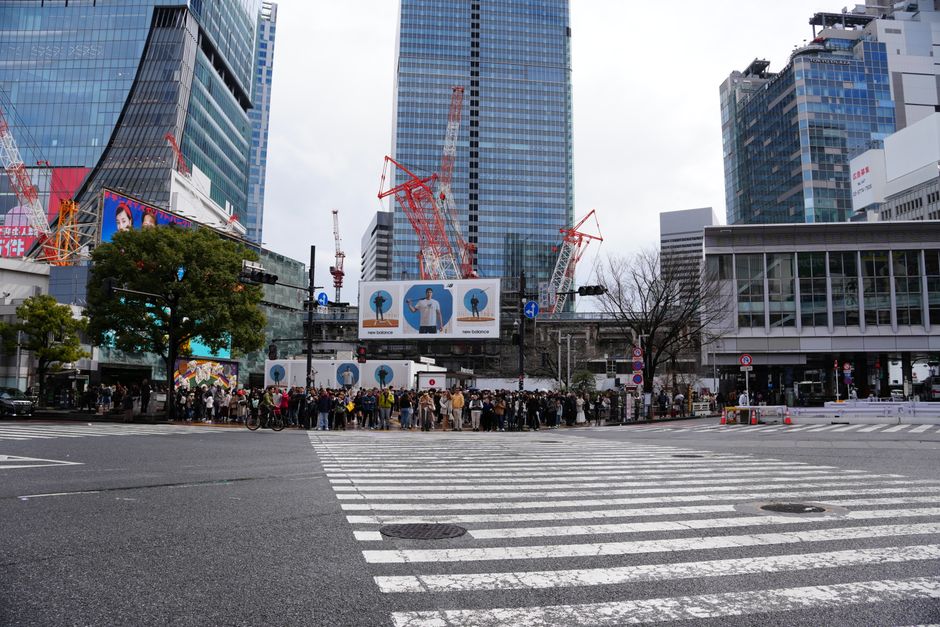
Residents of Shibuya ward are increasingly vocal about redevelopment plans that threaten to reshape entire neighbourhoods, with growing anxiety over soaring rents and the erosion of local character. The Tokyo Metropolitan Government's latest urban renewal initiative targets several blocks near Meiji-dori and around the Yoyogi area, proposing mixed-use high-rises that would dramatically alter the district's demographic makeup.
The proposed developments would replace lower-density housing and small family-run businesses with luxury residential towers and commercial complexes. Current estimates suggest average apartment rents in the affected zones could rise by 40 to 60 percent within five years of completion—a prospect that has galvanised long-term residents.
Community organisations, including the Shibuya Residents' Council and the Meiji-dori Shopowners Association, have organised multiple public forums over recent months. Participants consistently express concerns about affordability, generational displacement, and the loss of established community networks that have defined these neighbourhoods for decades.
"These aren't abstract numbers," said one spokesperson for a local advocacy group representing renters in the Dogenzaka area. "Families who've lived here for thirty years are being priced out. Young people can't afford to stay. The city is becoming increasingly unaffordable."
The tension reflects broader challenges facing Tokyo's urban planning strategy. While development generates tax revenue and attracts investment, it simultaneously accelerates housing costs in one of the world's most expensive cities. Current data shows average monthly rent for a one-bedroom apartment in central Shibuya now exceeds ¥150,000—a 35 percent increase since 2020.
City planners argue that increased density is necessary to accommodate Tokyo's evolving workforce and support ageing infrastructure. However, residents contend that development should include mandatory affordable housing quotas and greater community consultation before projects receive final approval.
The ward government has pledged to establish working groups with residents before finalising plans, though scepticism remains high. Environmental impact assessments and heritage preservation studies are underway, but community members worry these measures may prove insufficient to protect neighbourhood stability.
Similar tensions have emerged in adjacent wards like Minato and Chiyoda, suggesting this debate will define Tokyo's urban trajectory over the coming decade. Whether city officials can balance economic growth with housing accessibility and community preservation remains the crucial question facing the capital's future.
This article was compiled by AI from the sources linked above and screened before publishing. See our editorial standards.
How does this story make you feel?
Spread the word
About this article
Published by The Daily Tokyo
Daily brief
Free, in your inbox before 7am. Weekdays.
More in News


