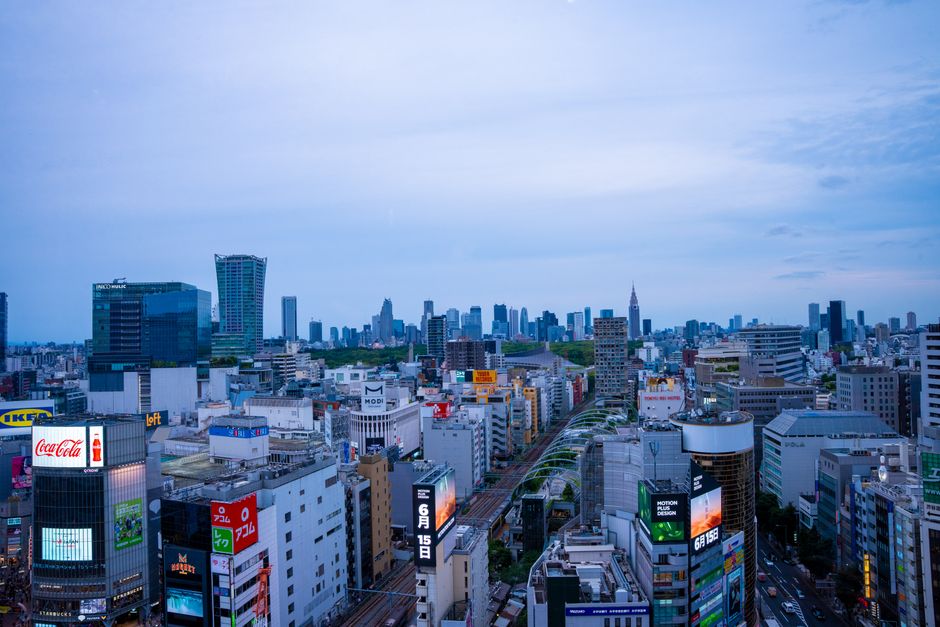
Tokyo's emergency services have long been regarded as among the world's most efficient. Response times in central wards average under seven minutes for ambulances, and the Tokyo Fire Department's 103 stations coordinate with police precincts across 23 special wards to manage roughly 2,000 emergency calls daily. Yet this reputation, built painstakingly since the Great Hanshin earthquake of 1995, now faces unprecedented pressure from demographic and budgetary realities.
The turning point came in 2005, when the Tokyo Metropolitan Government implemented a sweeping reorganisation following the 2004 Niigata earthquake. The creation of integrated emergency command centres in Shinjuku and Chiyoda transformed how responders shared real-time data. Investment in the Edogawa and Sumida River monitoring systems reduced flooding response times by nearly 40 per cent. Training standards at the Metropolitan Police Department's Kasumigaseki academy were overhauled, with paramedic certification requirements tightened significantly.
For nearly two decades, these reforms delivered measurable results. Between 2010 and 2020, preventable deaths during medical emergencies dropped 18 per cent across the 23 wards. The 2011 Tōhoku earthquake and tsunami response—though catastrophic nationally—demonstrated Tokyo's capacity to absorb and manage unprecedented strain. Mutual aid agreements with surrounding prefectures became standard practice.
But the machinery is now straining. The Fire Department reported in March that paramedic vacancies have reached 312 posts—approximately 8 per cent of the required workforce—up from 180 in 2020. Average responder age has climbed to 41.3 years. Several stations in outlying areas like Akiruno and Okutama operate with skeleton crews. A single major incident in densely populated zones like Shibuya or Ikebukuro could stretch resources dangerously thin.
Funding constraints compound these challenges. The 2026 metropolitan budget allocated ¥847 billion to public safety—a 2.1 per cent increase that barely offsets inflation. Equipment replacement cycles have lengthened; some ambulances in peripheral wards exceed their 10-year service life. Digital infrastructure upgrades to the emergency dispatch system, budgeted at ¥340 million, have been deferred twice.
The system that emerged from post-1995 soul-searching remains substantially stronger than it was 30 years ago. But Tokyo's authorities increasingly acknowledge that maintaining—let alone improving—response capacity requires fundamental recommitment. Without it, the hard-won efficiencies of the past two decades risk erosion during the very moment when an ageing population will demand more, not less, from emergency services.
This article was compiled by AI from the sources linked above and screened before publishing. See our editorial standards.