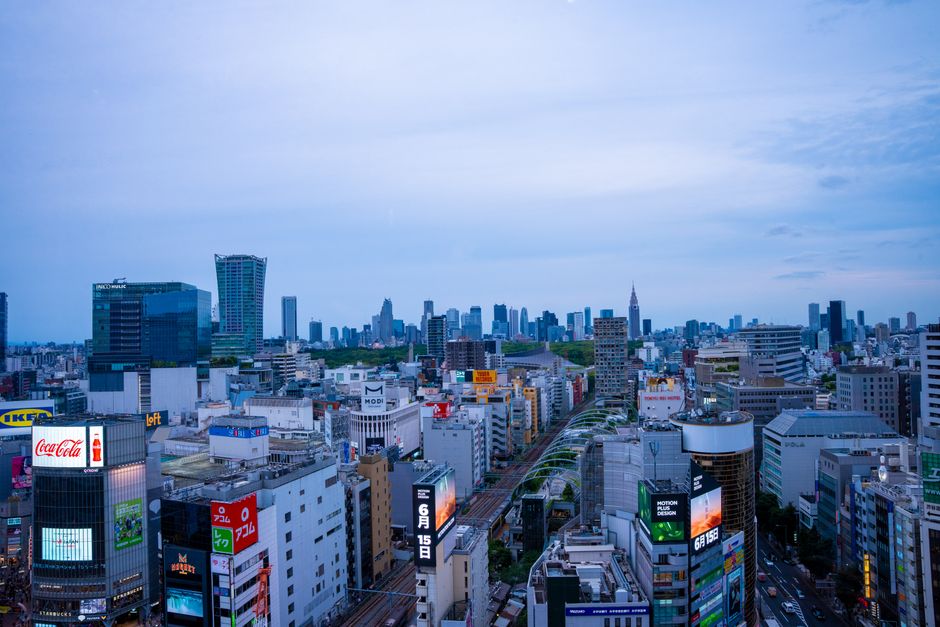
Tokyo's commitment to becoming carbon-neutral by 2050 has positioned the city as a serious contender in the global sustainability race, yet recent assessments suggest it still lags behind Copenhagen and Singapore in several critical areas.
The Minato ward's new district heating system, which launched this year around the Odaiba waterfront, exemplifies Tokyo's technological approach. The system recycles waste heat from data centres and commercial buildings, reducing energy consumption by an estimated 30% compared to conventional methods. However, Copenhagen's district heating network—serving 98% of the capital's residents—processes heat from waste incineration at nearly double Tokyo's current coverage rate, reaching into residential areas across Shibuya, Chiyoda, and Shinjuku wards.
Recycling remains a Tokyo strength. The city's meticulous separation system—requiring residents to sort waste into 10 distinct categories—has achieved a 63% recycling rate, substantially higher than London's 38%. Yet Singapore's advanced integrated waste management facilities have pushed their recycling rate to 71% while processing materials at a fraction of Tokyo's current operational cost.
On renewable energy, Tokyo faces geography-driven constraints. While rooftop solar installations have tripled since 2020, with initiatives across the Sumida river industrial zone and the Toranomon Hills complex, the metropolitan area remains dependent on imported renewable power. Singapore and Copenhagen, by contrast, have invested heavily in offshore wind farms—Copenhagen generates 80% of its electricity from renewables, while Tokyo sources only 29% from renewable sources.
The Tokyo Metropolitan Government's 2026 Sustainability Report highlights progress in green transport: the Yamanote Line and Chiyoda Line now operate entirely on renewable energy, and bicycle-sharing stations have expanded to 1,200 locations across 23 wards. This matches Copenhagen's cycling infrastructure intensity, though Tokyo's public transit integration remains more fragmented than Singapore's unified smart-card system.
Water management presents another comparative weakness. While Tokyo treats 100% of wastewater, recycling only 4% for non-potable use—far below Singapore's 40% NEWater recycling programme. Building codes in the Marunouchi financial district now mandate rainwater harvesting, yet uptake remains voluntary in most residential zones.
Industry observers suggest Tokyo's path forward requires accelerating district heating expansion, tripling current offshore wind commitments, and incentivising residential water recycling. The city's technological sophistication and dense infrastructure offer advantages, but sustained investment at Copenhagen and Singapore's scale may be necessary to close the sustainability gap.
This article was compiled by AI from the sources linked above and screened before publishing. See our editorial standards.