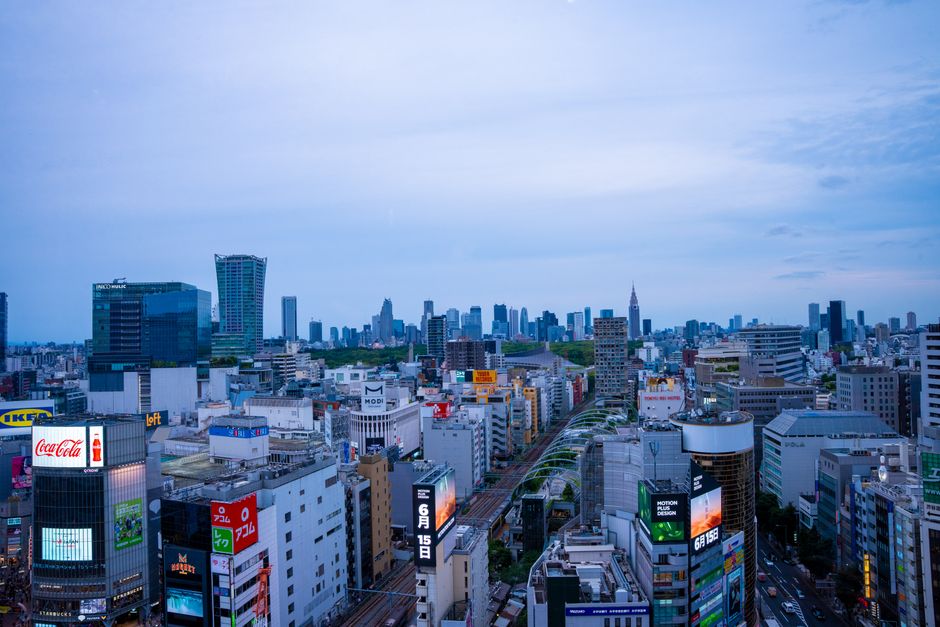
Walk through Shibuya or Shinjuku today and the air feels cleaner than it did twenty years ago. But this wasn't inevitable. Tokyo's environmental journey is rooted in a crisis few remember: the 1960s and 70s when photochemical smog blanketed the city so severely that visibility on the Meiji Shrine grounds dropped to just 100 meters on bad days. That crisis—compounded by the 1964 Olympics' infrastructure strain—forced policymakers to confront an uncomfortable truth: a city of 14 million cannot survive on business-as-usual development.
The turning point came incrementally. When the Metropolitan Government introduced stricter vehicle emissions standards in the 1990s, they weren't driven by environmental idealism alone. Companies were hemorrhaging talent to cleaner cities like Singapore and Seoul. Real estate values in heavily polluted districts like parts of Koto Ward stagnated. The economics of sustainability became undeniable.
Tokyo's current initiatives didn't emerge in a vacuum. The 2011 Fukushima disaster fundamentally shifted public consciousness about energy dependency. A city powered 30 percent by nuclear energy suddenly had to ask harder questions about alternatives. By 2020, renewable energy targets became politically viable in ways they weren't before—not as nice-to-have luxuries but as necessary infrastructure.
The physical transformation reflects this history. Odaiba's waterfront reclamation project of the 1990s, initially controversial urban sprawl, was retrofitted with solar panels and tidal energy systems by the 2020s. The Chiyoda Ward's comprehensive district heating network, connecting buildings from Tokyo Station to the Imperial Palace area, emerged from the 2012 energy shortage responses. These weren't pure environmental victories—they were economic adaptations that happened to be green.
Today's initiatives like the Minato Ward's carbon-neutral office district and the expanded metro system reducing car dependency reflect this pragmatic evolution. Tokyo recycled 60 percent of its waste in 2025, a figure that would have seemed impossible during the 1980s waste disposal crisis that nearly strangled the city.
What makes Tokyo's sustainability story distinct isn't moral awakening. It's necessity meeting density. A city with 37 million people in its metropolitan area cannot afford environmental failure. The green initiatives gaining traction now—rooftop gardens reducing urban heat by 2-3 degrees Celsius, strict water recycling in Marunouchi's office towers—emerged because previous generations learned that the alternative to sustainability isn't profit. It's collapse.
This article was compiled by AI from the sources linked above and screened before publishing. See our editorial standards.