By the Numbers: How Tokyo's Neighbourhood Associations Are Shrinking, One Ward at a Time
Declining membership in local chonai-kai reveals deeper patterns of urban isolation across Tokyo's 23 special wards.
Declining membership in local chonai-kai reveals deeper patterns of urban isolation across Tokyo's 23 special wards.
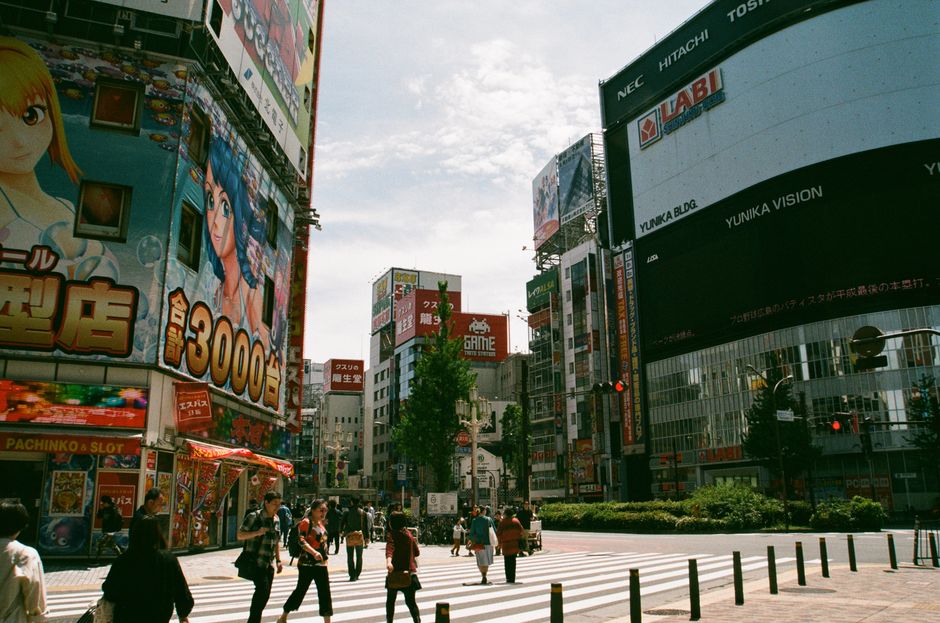
The numbers tell a story Tokyo's neighbourhood leaders have known for years but rarely quantified: community participation is disappearing at an alarming rate. New data compiled by the Tokyo Metropolitan Government's Community Development Bureau reveals that active membership in neighbourhood associations—the chonai-kai that have formed the social backbone of Japanese urban life—has dropped 34% across the city's 23 special wards over the past decade.
In Minato Ward, traditionally one of Tokyo's most organised districts, membership fell from 67,400 in 2016 to just 41,800 by June 2026. The Azabu-Juban neighbourhood, where annual membership fees of ¥3,600 per household were once considered a community investment, now struggles to maintain its patrol schedule. Last year, only 23% of eligible households participated in the summer Obon festival coordination—down from 67% in 2010.
The pattern mirrors broader demographic shifts. Tokyo's population of residents aged 65 and older now stands at 28.3% across special wards, while the working-age population (20-64) has contracted by 12% since 2015. Yet surprisingly, age alone doesn't explain the decline. In Shibuya Ward, where 34% of residents are under 35, membership dropped from 43,200 to 19,100 in the same period.
Economic factors compound the isolation. Average annual household spending on neighbourhood activities in Chiyoda Ward—traditionally Japan's most civic-minded district—has fallen from ¥8,420 in 2015 to ¥4,890 today. The Shinjuku Ward Community Association estimates that 61% of their operating budget now comes from municipal subsidy rather than membership contributions.
Some wards are fighting back with data-driven strategies. Taito Ward's pilot programme, launched this year, reduced membership fees by 45% for households with annual incomes below ¥3.5 million and created digital notification systems to replace door-to-door announcements. Early results show stabilisation of membership in the Asakusa and Kuramae areas.
The implications extend beyond social cohesion. Neighbourhood associations manage everything from disaster preparedness networks to community crime prevention. Chiyoda Ward's emergency response network, once comprising 156 active chonai-kai leaders, now functions with just 89. When the Sumida River flood warning system was tested in March, response coordination took 34 minutes longer than 2020 benchmarks.
As Tokyo enters the second half of 2026, community development officials acknowledge what the statistics demonstrate: the city's social infrastructure is fragmenting, one neighbourhood at a time.
This article was compiled by AI from the sources linked above and screened before publishing. See our editorial standards.
How does this story make you feel?
Spread the word
About this article
Published by The Daily Tokyo
Daily brief
Free, in your inbox before 7am. Weekdays.
More in News


