Tokyo Parents and Educators Sound Alarm Over Overcrowded Classrooms in Minato Ward
As student numbers surge in central Tokyo, community voices reveal the mounting strain on schools struggling to meet demand.
As student numbers surge in central Tokyo, community voices reveal the mounting strain on schools struggling to meet demand.
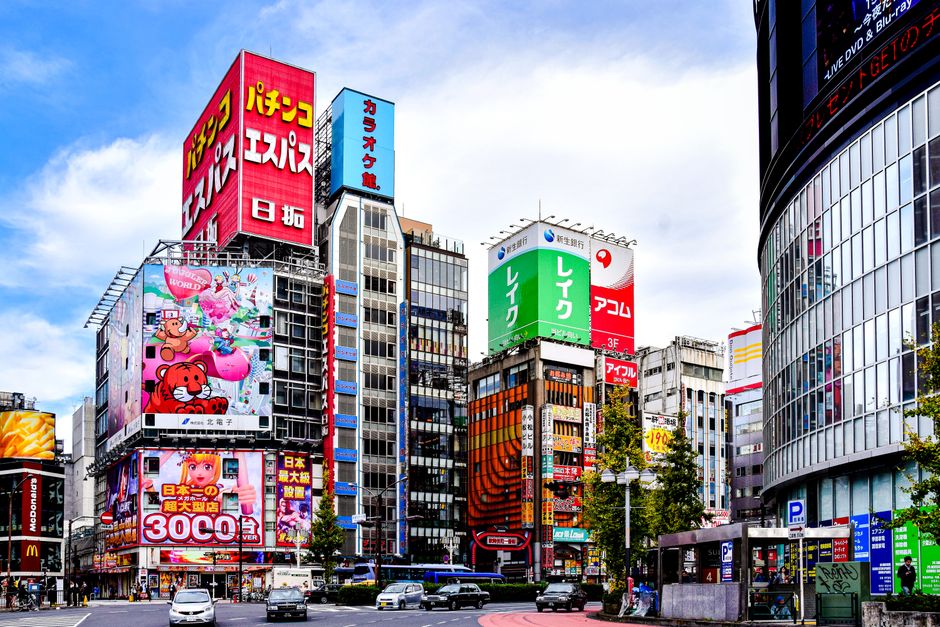
Parents queuing outside Minato Ward's education office on Roppongi-dori this month voiced frustrations that have become increasingly familiar across central Tokyo: their children are being taught in classrooms designed for smaller cohorts, with some schools operating at 130 percent capacity.
The spike reflects a broader demographic shift. According to Tokyo Metropolitan Government data released in April, enrolment in central wards including Minato, Chiyoda, and Shibuya has grown 12 percent over three years—a reversal of the city's long-term population decline. Young professionals and families relocating for remote work flexibility have transformed Tokyo's urban core into a residential magnet.
Educators at Azabu-Juban Primary School, which serves families in one of Minato's most expensive neighbourhoods, report class sizes of 38 students—well above the national standard of 30. The school's principal told staff earlier this month that construction delays on an annex, originally planned to open in 2025, have pushed expansion to 2027 at earliest.
"My son comes home exhausted," said one parent during a community meeting at Minato Citizen Centre last week. "The teachers are clearly stretched, and there's less individual attention. We're paying premium rent to live here—shouldn't education match that?"
The pressure extends beyond primary schools. Azabu High School, located near Roppongi Station, has implemented staggered lunch schedules and converted study areas into temporary classrooms. Monthly tuition at leading private institutions in the ward now exceeds ¥80,000, yet capacity constraints mean rejected applicants are turning to schools in outer wards.
University administrators are watching closely. Sophia University in Chiyoda and Keio University's Mita campus both reported increased competition for student housing, with dorm waiting lists extending into summer 2027. One Sophia admissions officer noted that prospective students increasingly ask whether the institution plans housing expansion—a question rarely posed five years ago.
Ward officials acknowledge the crisis. At a June council meeting, Minato's education committee approved a ¥4.2 billion emergency budget to fast-track classroom construction and hire 120 additional teachers by spring 2027. Yet parents and educators remain sceptical about timelines.
"We're being asked to do more with less while the city catches up," said a Azabu-Juban educator who requested anonymity. "The system worked when Tokyo was shrinking. Now we're unprepared for growth."
This article was compiled by AI from the sources linked above and screened before publishing. See our editorial standards.
How does this story make you feel?
Spread the word
About this article
Published by The Daily Tokyo
Daily brief
Free, in your inbox before 7am. Weekdays.
More in News


