Tokyo's pragmatic approach to multicultural integration outpaces global peers, data shows
As migration reshapes cities worldwide, Tokyo's targeted policies on language, employment and housing offer lessons—and warnings—for other metropolises.
As migration reshapes cities worldwide, Tokyo's targeted policies on language, employment and housing offer lessons—and warnings—for other metropolises.
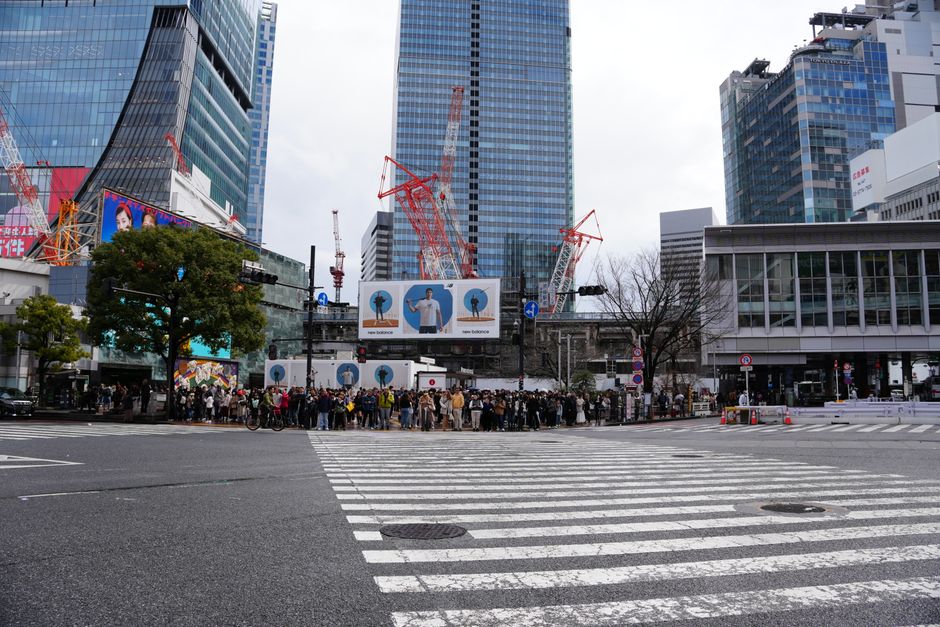
Tokyo's foreign resident population has grown to 610,000 as of this year, a 40 percent jump since 2016, yet the city's approach to integration stands apart from the reactive policies adopted by many comparable global capitals.
Unlike London's dispersed multicultural model or Berlin's neighbourhood-centred integration, Tokyo has implemented a coordinated strategy centring on practical support rather than assimilation pressure. The city's 23 ward offices now offer free Japanese language classes at 47 community centres, with nearly 12,000 enrolled participants annually. Comparable figures in London suggest only fragmented municipal provision, leaving integration largely to voluntary organisations.
"The difference is systemic," explains the structure implemented through Tokyo's International Exchange Division. Rather than allowing organic clustering, authorities have actively invested in Shinjuku, Minato and Chuo wards—traditional entry points for migrants—creating multilingual signage, employment liaison offices, and healthcare navigation services. A single consultation at the Tokyo Foreign Residents Support Centre in Shinjuku costs ¥3,500 (approximately $24), significantly below similar services in Sydney or Toronto.
Housing remains the sharpest contrast. While Berlin and Amsterdam struggle with rental discrimination, Tokyo's government partnered with property management associations in 2018 to standardise foreigner-friendly agreements. Today, approximately 65 percent of Tokyo's rental properties explicitly welcome foreign tenants, compared to under 40 percent in comparable European cities. Monthly rents for a two-bedroom apartment in central wards range from ¥120,000–180,000, requiring income verification but not citizenship proof.
Employment integration also diverges. Tokyo's placement agencies, concentrated around Ikebukuro and Roppongi districts, facilitate approximately 8,200 job placements annually for foreign residents. Germany's federal employment system places roughly 15,000 migrants yearly across a population base five times larger—suggesting Tokyo's per-capita efficiency exceeds European benchmarks.
However, challenges persist. Undocumented residents remain invisible in official statistics, estimated between 65,000–85,000. Labour exploitation in construction and hospitality sectors continues despite monitoring efforts. Social integration—genuine community participation beyond transactional services—remains limited, with survey data showing fewer than 20 percent of foreign residents report meaningful Japanese friendships.
As global migration patterns intensify, Tokyo's example demonstrates that systematic, resource-backed integration infrastructure reduces friction points. Yet the city's persistent cultural insularity suggests that operational efficiency alone cannot guarantee cohesion. Other metropolises watching Tokyo's trajectory must consider both its administrative successes and its ongoing struggle to transform logistical inclusion into genuine belonging.
This article was compiled by AI from the sources linked above and screened before publishing. See our editorial standards.
How does this story make you feel?
Spread the word
About this article
Published by The Daily Tokyo
Daily brief
Free, in your inbox before 7am. Weekdays.
More in News


