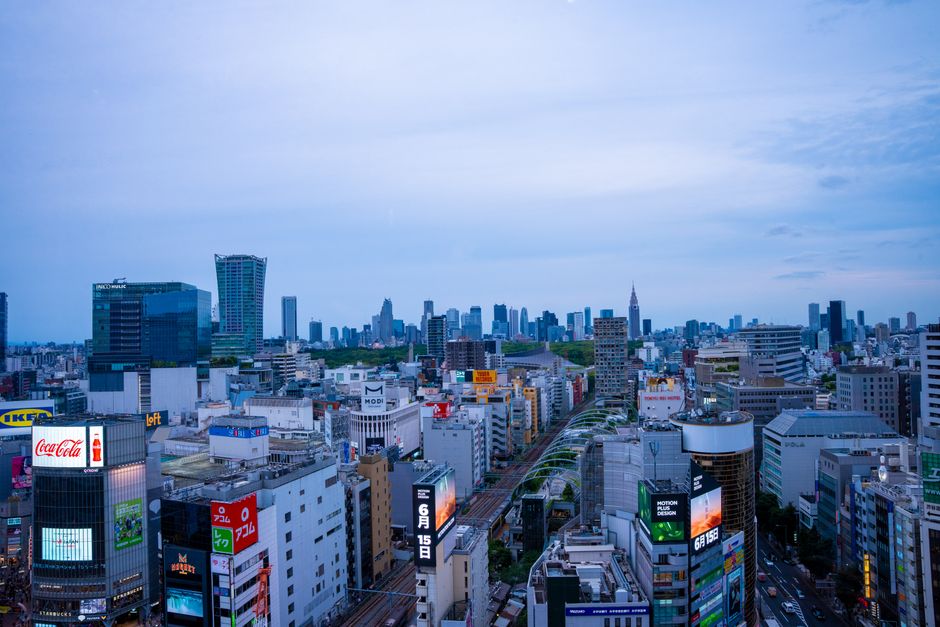
Residents of Chiyoda and Minato wards gathered at the Hibiya Public Hall last week to air frustrations over Tokyo's aggressive new zoning framework, which loosens restrictions on high-rise development in traditionally residential pockets of the city. The policy, unveiled by the metropolitan government in April, aims to maximise land use efficiency and increase housing supply—but community members say the push risks erasing Tokyo's neighbourhood character and pricing out ordinary families.
"My family has lived in this building for forty years," said one Hibiya resident at the public forum, referencing a modest five-storey apartment complex near Roppongi that now faces potential acquisition for a luxury residential tower. "They're offering compensation, yes. But where do we go in this market?" Current average rents in central Minato exceed ¥200,000 per month for a modest two-bedroom unit, nearly double the figure from a decade ago.
The Metropolitan Housing Supply Plan, targeting 280,000 new units by 2035, prioritises private development on underutilised parcels. Yet critics point to a funding shortfall in the city's affordable housing scheme, which has seen its annual budget cut by 15 percent since 2023. Local ward councils, including the Chiyoda ward assembly, have requested emergency sessions to discuss implementation timelines.
Small business operators in Akasaka and Ginza express similar concerns. A shop owner on the Meiji-dori shopping street noted that her landlord had already signalled intent to redevelop. "These are neighbourhood anchors," she said. "When they're replaced by chain stores and luxury flats, what happens to the community?"
Tokyo Metropolitan Government officials argue the policy balances growth with livability. A spokesperson stated that the framework includes modest provisions for affordable units in new developments—though mandatory percentages remain contentious. Community advocates contend the current 5-to-10 percent inclusionary threshold falls short of need.
Neighbourhood groups like the Chiyoda Ward Residents Alliance and the Akasaka Community Forum are now mobilising for revisions, demanding expanded rent stabilisation measures and strengthened tenant protections before further permits are issued. A July city council hearing will revisit the policy framework.
For many long-term residents, the tension reflects a broader struggle: how Tokyo maintains its global competitiveness and housing stock without sacrificing the intimate, human-scaled neighbourhoods that define the city's character.
This article was compiled by AI from the sources linked above and screened before publishing. See our editorial standards.