From Choking Streets to Green Goals: How Tokyo Built Its Sustainability Reckoning
Decades of rapid urban expansion and pollution crises laid the groundwork for Japan's capital to emerge as a global leader in environmental innovation.
Decades of rapid urban expansion and pollution crises laid the groundwork for Japan's capital to emerge as a global leader in environmental innovation.
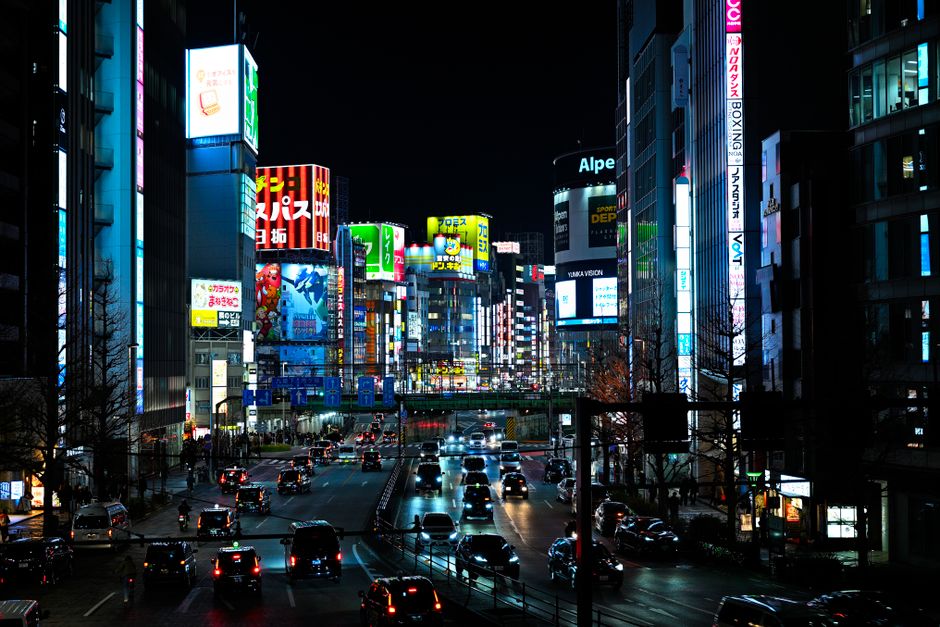
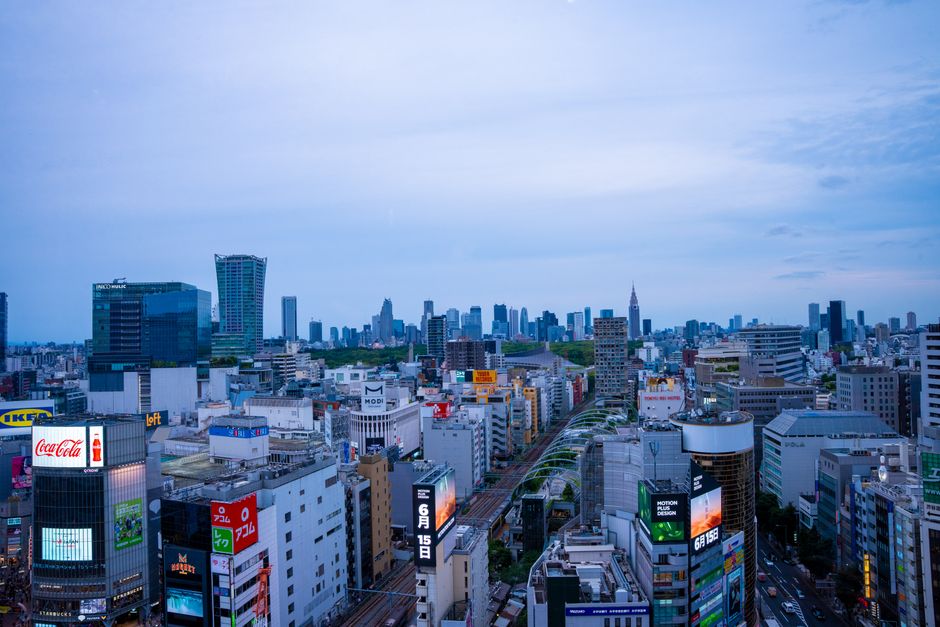
Walk through the streets of Shibuya or Shinjuku today, and the air feels cleaner than it did thirty years ago. That transformation did not happen by accident—it emerged from a painful environmental reckoning that forced Tokyo to confront the true cost of unchecked urban growth.
In the 1960s and 1970s, Tokyo's explosive industrialisation created a public health catastrophe. Smog hung permanently over the city, respiratory illnesses spiked, and the Sumida River became so polluted that residents rarely ventured near its banks. The turning point came gradually: environmental movements gained traction, stringent emissions standards were introduced, and by the 1980s, the metropolitan government began systematically addressing air quality through vehicle regulations and factory inspections.
That historical pressure proved decisive. Today, Tokyo's environmental initiatives reflect hard-won lessons. The metropolitan government's commitment to achieving carbon neutrality by 2050—announced in 2019—was not a sudden pivot but the logical extension of four decades of incremental environmental policy. Current data shows Tokyo's CO2 emissions have fallen by roughly 35 percent since 2000, despite the city's population remaining above 14 million.
The Minato Ward has become a testing ground for these ambitions. Roppongi Hills and other commercial districts now operate district heating and cooling systems that reduce energy consumption by up to 20 percent compared to traditional building management. Meanwhile, the renovation of the Sumida River's embankment—once a symbol of urban decay—reflects the shift toward integrating green spaces into densely packed neighbourhoods.
Public transport modernisation has been equally critical. The Tokyo Metro and JR railway network, already extensive, now prioritises electric trains and renewable energy sourcing. Commuters using these systems outnumber private car users by a ratio of roughly 9:1, a figure that took decades of infrastructure investment to achieve.
Yet the path forward remains challenging. Tokyo's construction sector still generates significant waste, and the city's aging population raises questions about how to maintain these systems long-term. The metropolitan government's recent circular economy initiatives—including expanded recycling programs and partnerships with waste management companies—represent attempts to address these gaps.
Understanding Tokyo's environmental arc matters beyond the city itself. As global urban populations swell, Tokyo's journey from crisis to innovation offers a template: acknowledging mistakes, committing to long-term change, and building infrastructure that survives political cycles. The cleaner air above Shibuya today is the result of choices made when conditions were far worse.
This article was compiled by AI from the sources linked above and screened before publishing. See our editorial standards.
How does this story make you feel?
Spread the word
About this article
Published by The Daily Tokyo
Daily brief
Free, in your inbox before 7am. Weekdays.
More in News