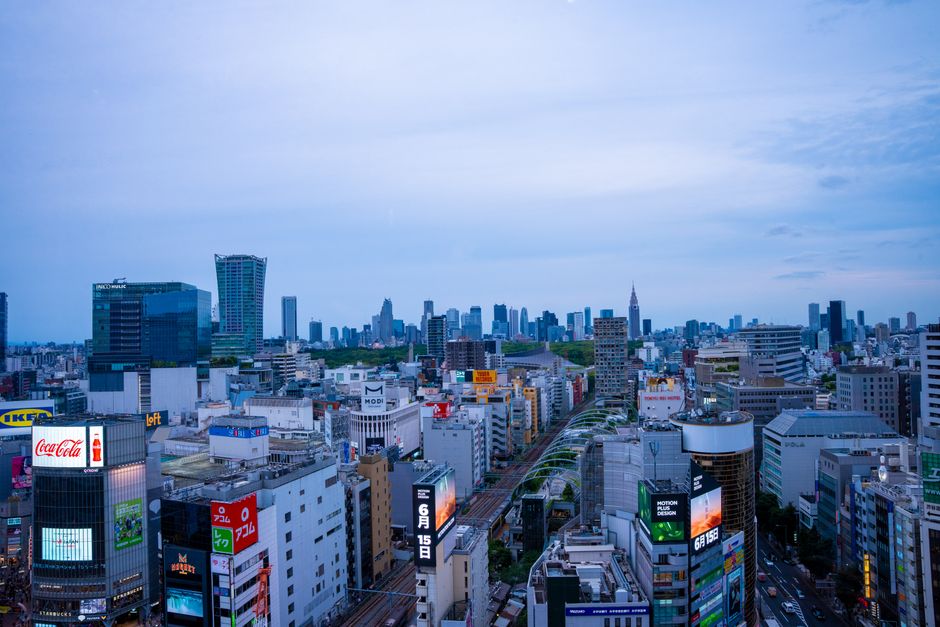
The Shibuya Scramble crossing experienced its most significant redesign in over a decade this week, as construction crews completed the final phase of a ¥2.3 billion public works initiative. The changes mark a turning point for the intersection that sees approximately 3 million pedestrians weekly, introducing wider pavements, enhanced traffic management systems, and three new public gathering spaces.
Starting Monday, workers installed a revised traffic light system using AI-powered sensors to better manage the flow of foot traffic during peak hours. The system reduces average crossing wait times by roughly 12 seconds—a seemingly minor improvement that prevents an estimated 40,000 daily congestion incidents. Local business owners along Meiji-dori and Center-gai have reported increased foot traffic to their establishments since the changes took effect.
Perhaps most visible to visitors is the new 1,200-square-metre public plaza on the east side of the crossing, directly adjacent to the Hachiko statue. The space features landscaping from Aoyama landscape design studio and benches made from recycled timber sourced from defunct Tokyo buildings. A small café operated by a local non-profit has already begun operating from a temporary structure, with a permanent location planned for autumn.
"This represents genuine community input," said a representative from the Shibuya Ward office, noting that the redesign incorporated feedback from 800+ local residents and business operators collected over 18 months. The second plaza, located near the QFRONT building, will host rotating cultural exhibitions starting in July.
The changes extend beyond aesthetics. New drainage infrastructure reduces flooding risk during heavy rain—a growing concern as Tokyo faces increasingly severe weather patterns. The project also added 47 additional street lights and improved sight lines for pedestrians with reduced mobility.
Not everyone is celebrating. Some longtime vendors expressed concern about the closure of informal street-vending areas during construction. The Shibuya Merchants Association is coordinating temporary stall locations in nearby Dogenzaka and alongside Meiji-dori through September.
The project cost significantly less than comparable international redesigns. London's Oxford Street renovation ran to £340 million; New York's Times Square improvements exceeded $500 million. Tokyo's more targeted approach focused investment on intersection functionality rather than wholesale architectural overhaul.
Additional phases targeting Shinjuku Station's east exit and the Ikebukuro crossing are scheduled to begin in early 2027, following this week's blueprint.
This article was compiled by AI from the sources linked above and screened before publishing. See our editorial standards.