Tokyo's Housing Crisis Laid Bare: What the Numbers Reveal About the Governor's New Urban Policy
Newly released municipal data shows Tokyo's vacancy rate has climbed to 13.8%, prompting bold intervention from the metropolitan government.
Newly released municipal data shows Tokyo's vacancy rate has climbed to 13.8%, prompting bold intervention from the metropolitan government.
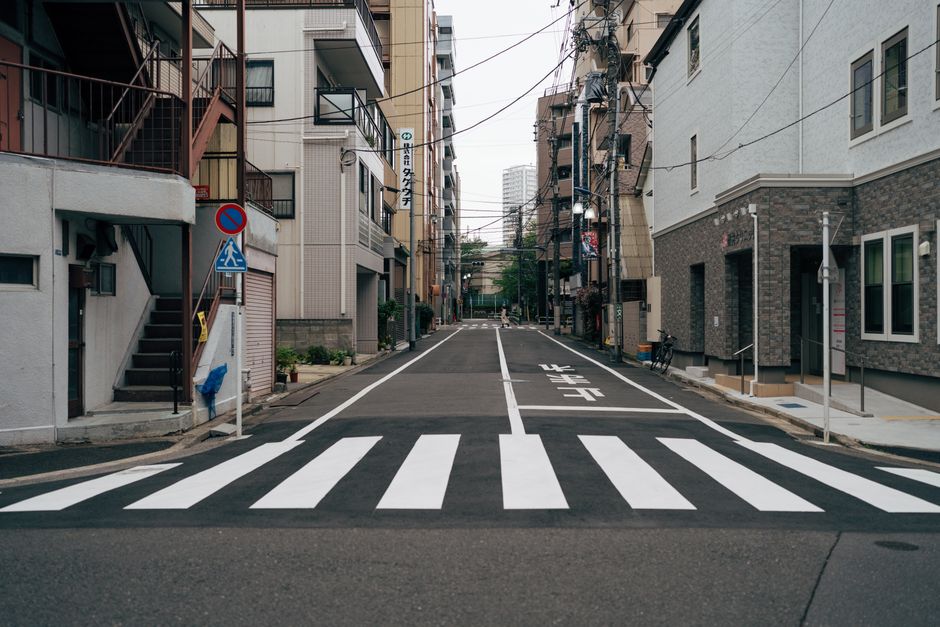
Tokyo's metropolitan government released its comprehensive urban housing audit yesterday, and the figures tell a sobering story about the capital's real estate landscape. Of the 12.7 million residential units tracked across the 23 special wards, approximately 1.76 million sit vacant—a rate that has climbed steadily from 11.2% five years ago.
The problem is starkly geographic. In Chiyoda ward, where office conversions have accelerated near the Imperial Palace and Otemachi financial district, residential vacancies reached 18.3%. Conversely, outer wards like Edogawa and Katsushika report rates closer to 9.1%, suggesting Tokyo's housing crisis concentrates in downtown cores rather than spreading uniformly.
The data prompted Governor Yuriko Koike's administration to announce an aggressive intervention plan: 47.2 billion yen allocated over three years to incentivise conversion of unused commercial properties into residential units. The budget represents a 34% increase from the previous housing initiative launched in 2023, which had generated only 2,847 new units despite a 8.9 billion yen investment.
Average residential prices tell another story. In Minato ward's prestigious Roppongi neighbourhood, properties average 18.4 million yen per unit—a 7% year-on-year increase despite the surplus of empty buildings elsewhere. Meanwhile, in Sumida ward near the Skytree commercial precinct, comparable units average 5.2 million yen, creating a 3.5-fold wealth gap across just 15 kilometres.
The metropolitan government's analysis identified 3,421 buildings across Shibuya, Shinjuku, and Chuo wards as candidates for residential conversion. Of these, 1,847 were constructed before 1981, predating current earthquake safety standards—requiring an estimated additional 2.3 billion yen in structural upgrades to meet modern building codes.
Crucially, the audit found that 62% of Tokyo's vacant units remain in private ownership, with owners citing prohibitive conversion costs and unclear property inheritance laws as primary obstacles. Only 1,200 vacant units annually transform into residential housing through current voluntary programmes.
The Tokyo Metropolitan Government Office, located in Shinjuku's distinctive twin-tower complex, now faces pressure to prove this initiative succeeds where previous efforts stalled. With Tokyo's overall population projected to decline 0.8% annually through 2030, experts question whether financial incentives alone can reverse the capital's structural housing imbalance.
Commissioner Takeshi Minakata's office indicated revised zoning regulations will be proposed by September, potentially accelerating the timeline for conversions in designated districts.
This article was compiled by AI from the sources linked above and screened before publishing. See our editorial standards.
How does this story make you feel?
Spread the word
About this article
Published by The Daily Tokyo
Daily brief
Free, in your inbox before 7am. Weekdays.
More in News


