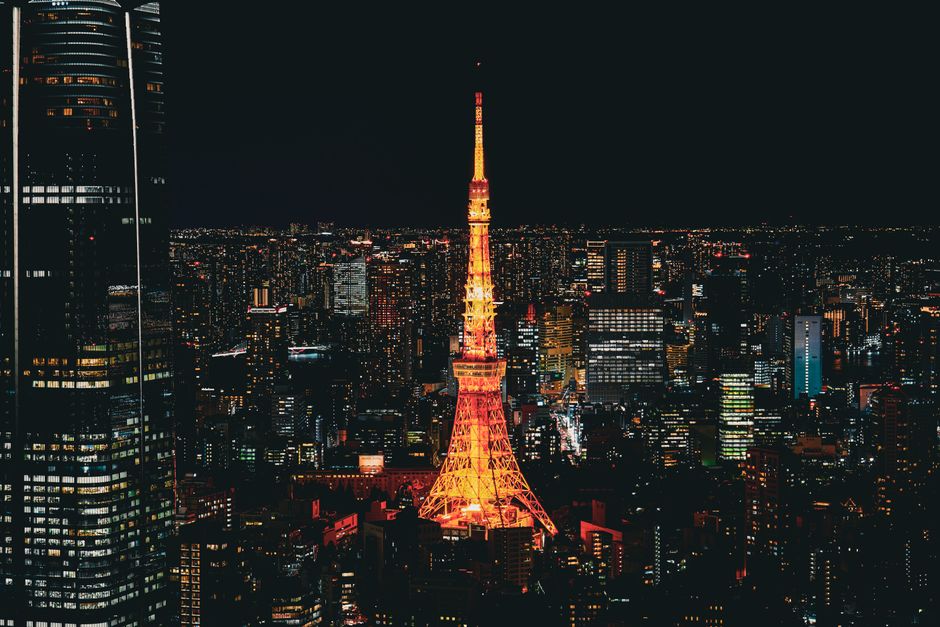
Tokyo stands at a crossroads. While the city grapples with nearly 9 million residents and an aging population, two competing visions for its urban future are colliding—and the decisions made in the next 18 months will determine whether Tokyo becomes more liveable or increasingly fractured by class and location.
The numbers tell a stark story. In central wards like Chiyoda and Minato, average condominium prices have surged past ¥12 million per unit, pricing out young families and service workers. Simultaneously, outer wards including Edogawa and Katsushika face a different crisis: nearly 15% of housing stock sits vacant, the highest rate in two decades. The Metropolitan Government's housing department now confronts an uncomfortable reality—supply and demand have fundamentally uncoupled.
Three major decisions loom. First, the Tokyo Metropolitan Government must decide whether to accelerate redevelopment around secondary transit hubs. The Ikebukuro-Kasuga corridor and areas near Kinshicho Station represent largely untapped opportunities, yet rezoning conflicts with existing residents' preferences for lower-density neighbourhoods. Community councils in these areas have already begun mobilising opposition.
Second, policymakers must address the vacant housing phenomenon. Rather than demolition, some urban planners advocate converting empty homes into affordable rental units or community facilities—a model gaining traction in Sumida ward. Others argue this merely delays necessary structural changes. The choice between preservation and replacement will reshape entire blocks.
Third, the city faces mounting pressure to reform zoning restrictions that effectively lock out mid-rise residential development. Tokyo's rigid compartmentalisation of residential, commercial, and mixed-use zones—inherited from 1960s planning—now works against density goals and walkability objectives championed by younger planners influenced by international models.
The Tokyo Housing Association and the Japan Institute of Real Estate Development have both submitted proposals to the metropolitan assembly, though their visions diverge sharply. Meanwhile, resident associations from Setagaya to Arakawa have signalled they will contest any changes perceived as threatening neighbourhood character.
Bureaucratic timeline suggests formal recommendations will emerge by autumn 2026. Implementation, however, could stretch into 2028 or beyond. For Tokyo residents already struggling with commutes exceeding 90 minutes and renters facing annual increases of 5-8%, the stakes could hardly be higher. The question is no longer whether Tokyo's housing model needs revision—it is whether the city's political institutions can act before displacement accelerates further.
This article was compiled by AI and screened before publishing. See our editorial standards.