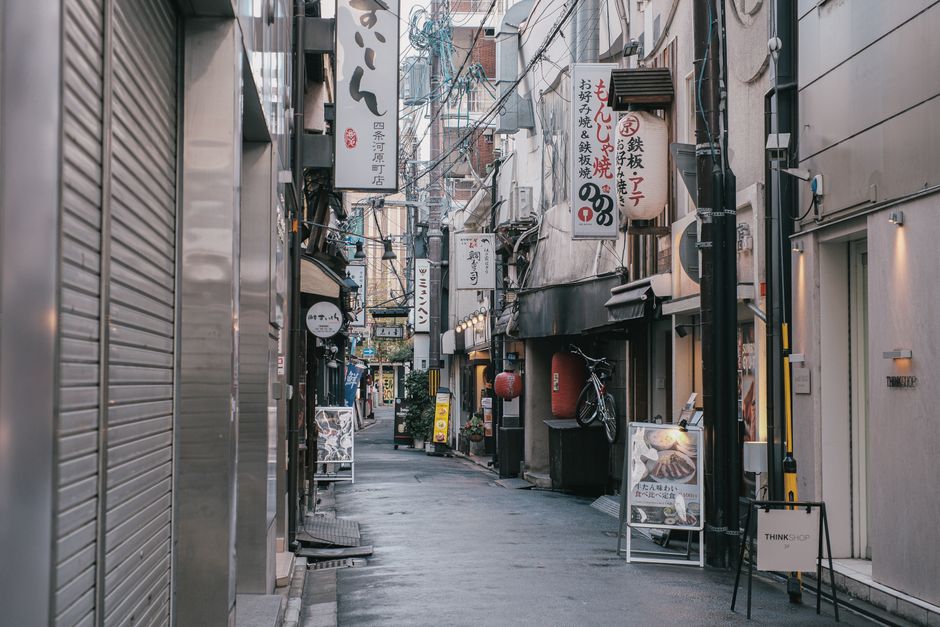
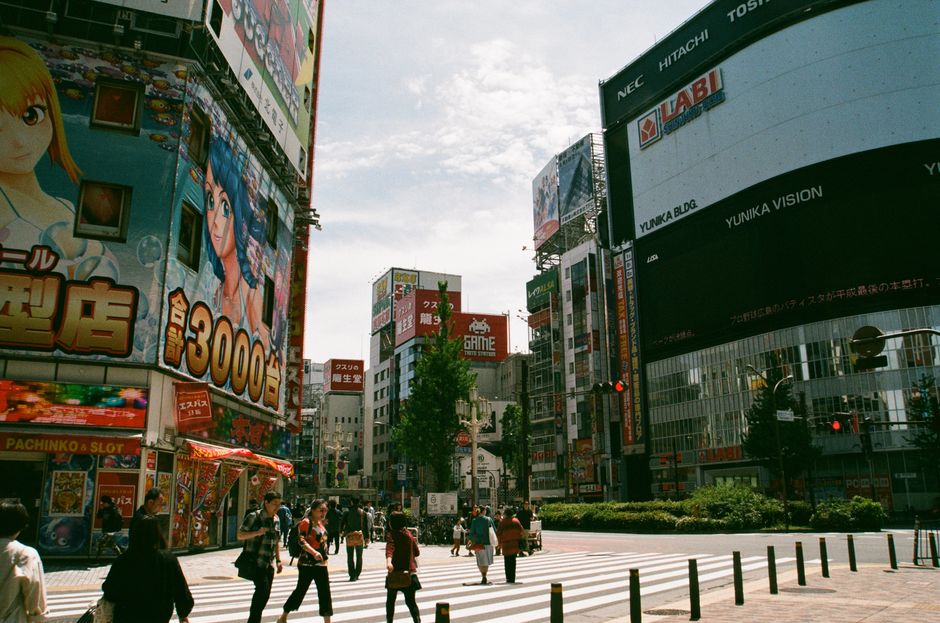
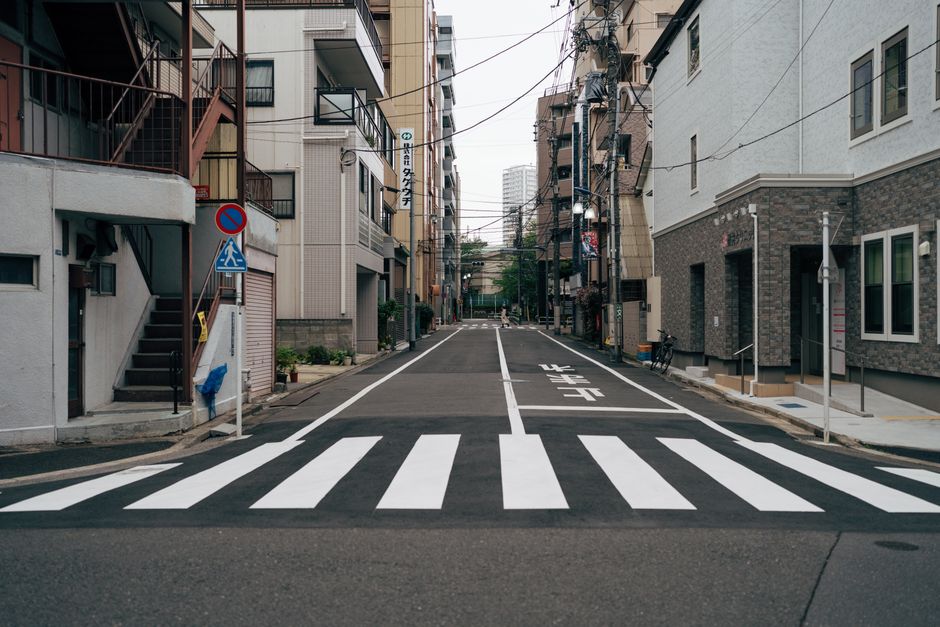
Walk through the corridors of Waseda University's Shinjuku campus and the transformation is unmistakable. Interactive smart boards have replaced whiteboards in nearly 80% of lecture halls. Meanwhile, across the globe, peer institutions in London, Sydney and New York are still wrestling with inconsistent technology rollouts.
Tokyo's education sector has emerged as a surprising global leader in post-pandemic digitalization, driven by a combination of municipal investment and institutional urgency. The Tokyo Metropolitan Government allocated ¥47 billion ($320 million) last fiscal year specifically for upgrading school infrastructure, a figure that dwarfs comparable spending in most Western cities. Public secondary schools across Minato and Chiyoda wards now operate 1:1 device programs—one computer per student—a luxury still unavailable in many American school districts.
"The speed of implementation has been remarkable," said a researcher at the University of Tokyo's Graduate School of Education, whose department recently completed a comparative study across fifteen major cities. Tokyo schools completed their core infrastructure upgrades in eighteen months; Berlin took three years, and São Paulo remains in transition.
Yet this progress masks growing concerns about digital equity. While prestigious institutions clustered around the Marunouchi and Chiyoda lines boast cutting-edge facilities, schools in outer wards like Adachi and Katsushika lag significantly behind. A student attending Ueno High School has access to equipment a generation ahead of facilities at comparable public schools in peripheral neighborhoods—a disparity that mirrors, and sometimes exceeds, inequality patterns seen in Los Angeles and Toronto.
Tuition costs tell another story. International universities in Tokyo's Roppongi and Azabu-Juban areas now charge premium fees justified partly by technology infrastructure. Annual fees at some private institutions have climbed 12-15% since 2024, outpacing inflation in peer cities. Tokyo's public university system remains relatively affordable, but the quality gap between well-funded central institutions and regional alternatives continues widening.
Global observers are watching closely. Education ministers from Southeast Asia have visited Tokyo schools this year studying how the city balanced speed with sustainability. Yet questions linger about whether Tokyo's model—heavy municipal spending concentrated in core districts—remains replicable elsewhere, or whether it simply reflects Japan's particular fiscal capacity and demographic challenges.
As universities worldwide experiment with hybrid models that often feel makeshift, Tokyo has built something more intentional. Whether that intentionality extends equitably across all neighborhoods remains the city's unfinished lesson.
This article was compiled by AI from the sources linked above and screened before publishing. See our editorial standards.