news
Tokyo's Rising Rents Drive Governor Koike's Housing Crisis Response Plan
Rising rents, record tourism footfall and a shrinking workforce are forcing Tokyo Metropolitan Government to confront its most acute urban pressure in a generation-and the figures make uncomfortable reading.
How we reported this
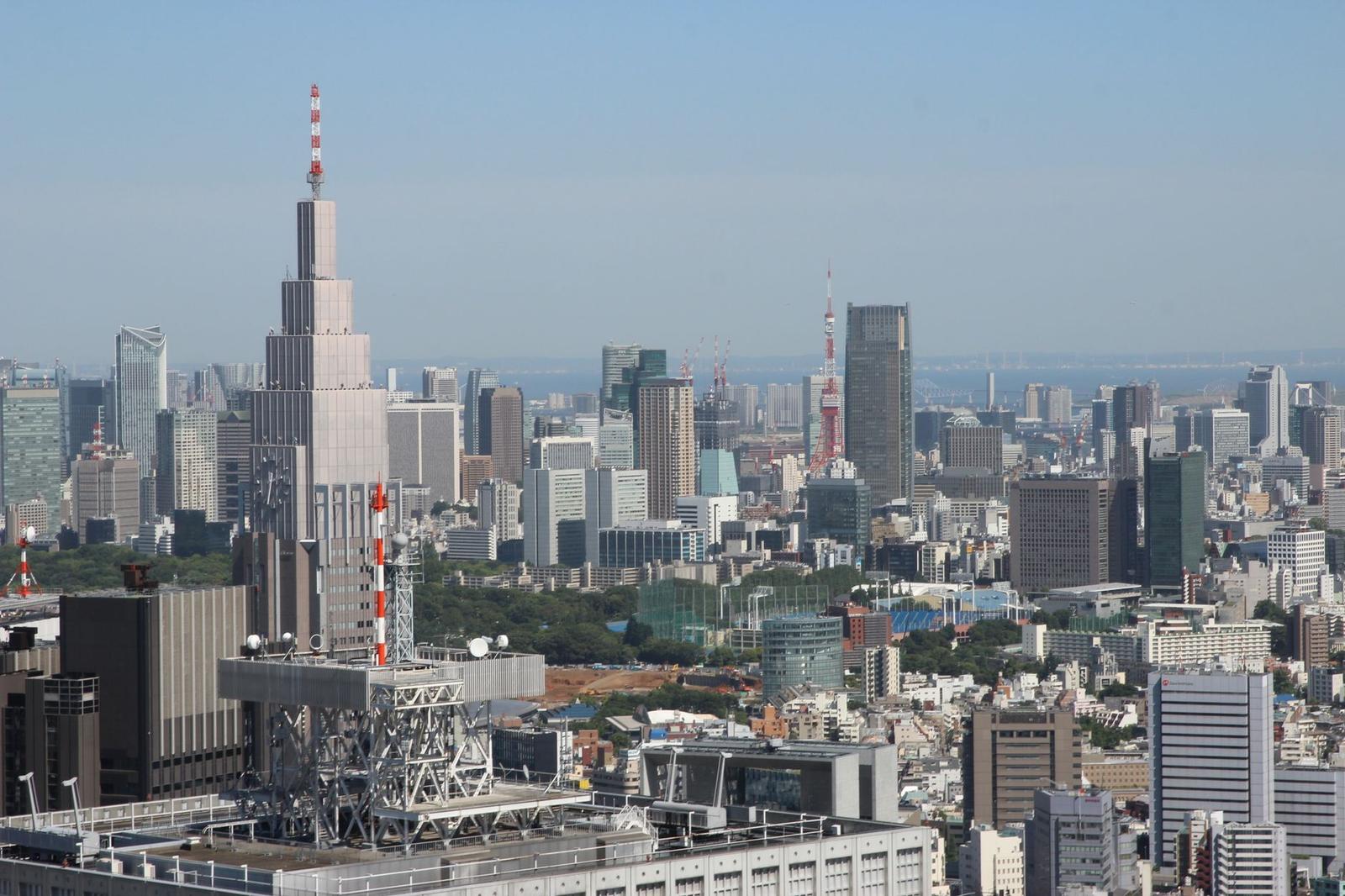
Central Tokyo's average monthly rent for a one-room apartment in Minato Ward crossed ¥140,000 in June 2026, up roughly 18 percent from the same month three years ago, according to data compiled by Real Estate Japan. That single figure has become the shorthand statistic inside the Tokyo Metropolitan Government Building in Nishi-Shinjuku as officials race to finalise a revised housing affordability package before the metropolitan assembly's autumn session opens in September.
The timing matters because three pressures have collided at once. Inbound tourism-which brought 37.8 million visitors to Japan in the twelve months to May 2026, a record pace set by the Japan Tourism Agency-has accelerated the conversion of residential stock into short-term rentals across Shinjuku, Shibuya and Taito wards. The yen, still trading near ¥158 to the dollar, keeps import costs elevated, pushing up construction materials and squeezing developers' margins on mid-range projects. And the city's registered foreign resident population reached 612,000 as of April 1, 2026-a figure the Bureau of Citizens Affairs describes internally as a planning inflection point-meaning demand for smaller, affordable units is rising precisely as supply tightens.
Where the Numbers Hit Hardest
Koto Ward offers the starkest illustration. The ward's housing coordination office logged 4,200 applications for its subsidised rental assistance program in fiscal 2025, against a budget capacity of 1,800 slots-a rejection rate of 57 percent. Officials in the ward's offices along Eitai-dori have been referring overflow applicants to the Tokyo Metropolitan Housing Supply Corporation, known as JKK Tokyo, which manages roughly 20,000 public rental units across the city. JKK Tokyo's own waiting list stood at 11,400 households as of March 31, the longest queue since the corporation published comparable data in 2003.
Sumida Ward, just across the Arakawa waterway, tells a parallel story. The ward's 2025 population survey found that residents aged 75 and older now account for 16.4 percent of the total-above the 23-ward average of 14.1 percent-yet the number of care-home beds per thousand elderly residents actually fell between 2023 and 2025 as two facilities were converted for other municipal uses. That demographic squeeze feeds directly into the housing debate: elderly residents in large apartments they can no longer afford to heat or maintain are reluctant to downsize when smaller affordable alternatives simply do not exist nearby.
What Governor Koike's Office Is Preparing
The metropolitan government is drafting revisions to the Tokyo Housing Master Plan, last comprehensively updated in 2021. The revision under discussion would set a target of 50,000 additional affordable units across the 23 wards by fiscal 2030, with roughly a third earmarked for households earning below ¥4.5 million annually. A key mechanism being studied is a density bonus scheme modelled loosely on incentive zoning used in Seoul's Gangnam redevelopment corridor-allowing developers to build above current floor-area-ratio limits in exchange for allocating a fixed percentage of units at below-market rents.
The scheme is not without opposition. The Tokyo Chamber of Commerce and Industry raised concerns in May that mandatory affordable-unit quotas would suppress land values in transitional areas like Itabashi and Nerima wards, where mid-tier development is most active. District councillors in Adachi Ward, where land prices remain the lowest among the 23 wards at an average of ¥320,000 per square metre for residential plots, argue the bonus density model will concentrate affordable housing in the north and west rather than easing pressure in the high-demand central belt.
The metropolitan assembly's Urban Planning and Housing Committee is scheduled to hold its next public hearing on July 17 at the Tokyo Metropolitan Government Building. Residents in affected wards can submit written testimony through the metropolitan government portal until July 10. Whatever the assembly ultimately approves, planners and ward officials are working from one common premise: at the current rate of rental inflation, the gap between what Tokyo earns and what Tokyo costs to live in will widen every quarter until supply catches up-and the data suggest supply is not close to catching up yet.