news
Tokyo's Quiet Crime Crisis: What Rising Theft and Scam Networks Mean for Ordinary Residents
A surge in organised fraud and opportunistic theft across central Tokyo wards is straining neighbourhood watch programmes and forcing a rethink of how the city protects its most vulnerable.
How we reported this
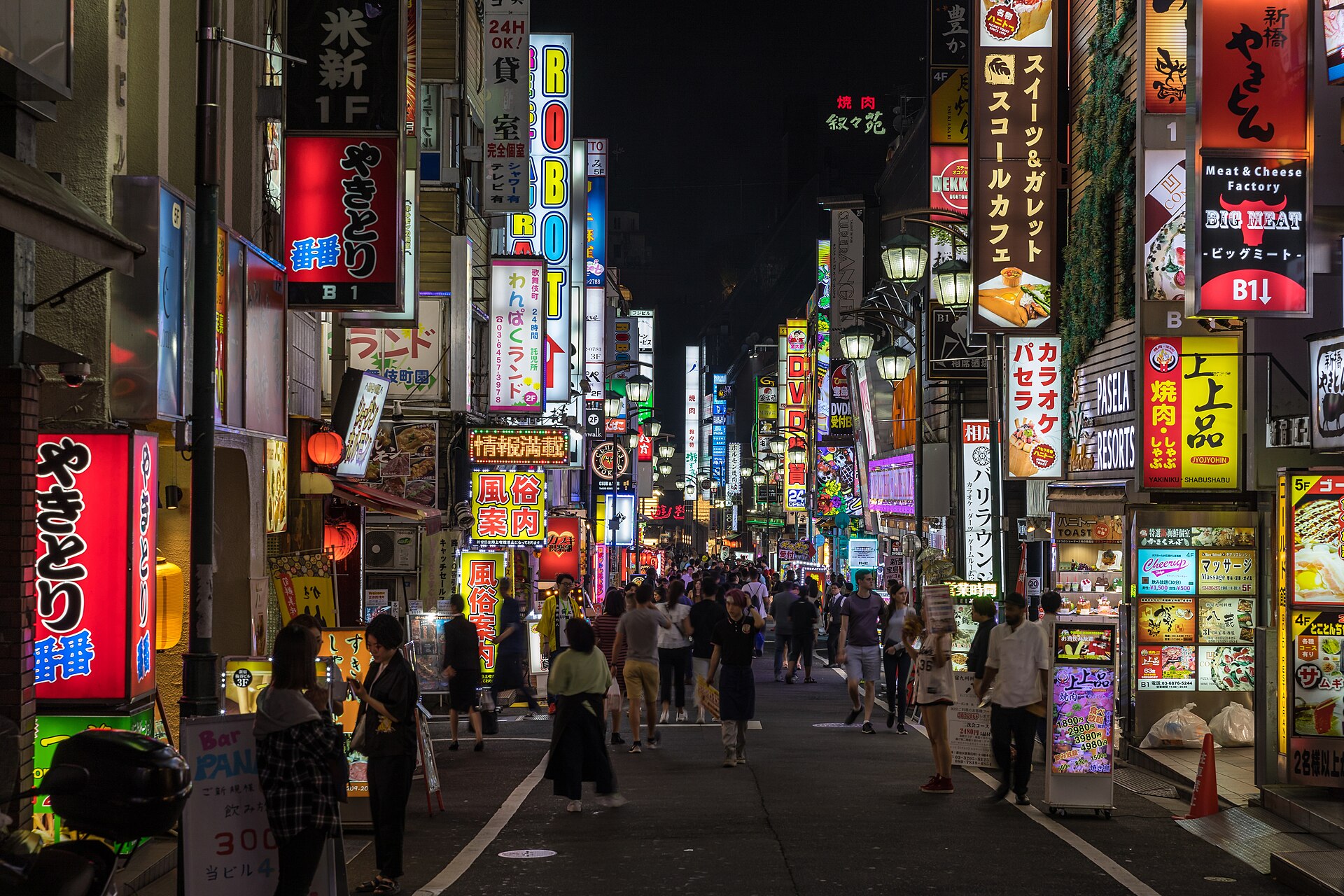
Tokyo Metropolitan Police reported a 14 percent year-on-year increase in special fraud cases, the catch-all Japanese legal term for telephone and impersonation scams, through the first five months of 2026, with losses across the 23 wards already exceeding ¥8.3 billion. The victims skew sharply elderly, and the geography of the problem is concentrating in precisely the districts that handle the highest volumes of inbound tourism and foot traffic: Shinjuku, Taito and Sumida wards.
The timing is not accidental. Tokyo's tourist numbers hit a post-pandemic record in spring 2026, with the Japan Tourism Agency counting more than 3.8 million visitors to the capital in April alone. That density of unfamiliar faces on the street, cash-heavy transactions in markets like Asakusa's Nakamise shopping street, and the predictable confusion around IC card machines at busy transfer hubs like Ueno Station all create what police internally call a "target-rich environment" for criminal networks operating across prefectural lines. At the same time, Japan's chronic staffing shortages mean neighbourhood police boxes, the koban system that has long been the bedrock of community safety, are operating with fewer officers per shift than at any point in the past two decades.
The Neighbourhood Impact Nobody Is Talking About
Walk through Yanaka in Taito Ward on any weekday morning and the surface calm is convincing: elderly residents shopping at the covered shotengai, tourists photographing the cemetery, temple cats ignoring everyone. Underneath that, local jichikai, neighbourhood self-governing associations, have been quietly escalating their alert frequencies since January. The Yanaka Ginza shopping street association circulated its fourth fraud-warning leaflet of the year in June, compared with two in all of 2024. The shift reflects a documented pattern: scam operations that once targeted residential suburbs like Nerima and Edogawa have moved inward, following the money and the anonymity that tourist density provides.
The Tokyo Metropolitan Government's Safe City Promotion Division runs the Anshin Anzen Machi Zukuri programme, which funds CCTV infrastructure and subsidises koban staffing requests from ward offices. Shinjuku Ward applied for an emergency supplementary allocation under that programme in May, citing a 22 percent spike in bag-snatching incidents along Kabukicho's entertainment corridor between January and April 2026. The ward received approval for ¥120 million in additional surveillance equipment, with installation scheduled to begin in September, a timeline that critics in the ward assembly called too slow given the pace of incidents through Golden Week.
What Residents Should Do Now
The practical gap between programme approval and boots-on-the-ground protection is where community impact becomes tangible. Elderly residents in Sumida Ward's Mukojima neighbourhood, one of the city's highest concentrations of over-75 households, have reported being contacted by phone scammers posing as NTT Docomo customer service staff, a scheme flagged by police as a new variant emerging in May. The Metropolitan Police's Cyber Crime Division confirmed the NTT impersonation script appeared in at least 340 separate reported cases across Tokyo between April 1 and June 15.
Tokyo Metropolitan Police are asking residents to register landline numbers with the prefecture's automated call-screening service, which blocks numbers flagged in the fraud database. Registration is free and can be done online or at any koban. Ward offices in Taito, Sumida and Shinjuku are also running drop-in sessions through July at community centres, Taito's session at the Sougou Fukushi Center on Kotobuki Street runs every Tuesday afternoon, where residents can have their home phone settings checked by volunteers from the local防犯協会, the crime prevention association.
Governor Koike Yuriko's office has indicated a broader community safety review is planned for the autumn policy cycle, likely tied to budget discussions ahead of the 2027 fiscal year. Until that review translates into additional staffing or technology, the burden of early detection falls where it has always fallen in this city: on jichikai committees, on koban officers working stretched shifts, and on neighbours willing to check on neighbours. That system has held Tokyo's serious crime rate among the lowest of any major global city for thirty years. Whether it holds under current pressure depends on decisions being made right now, in ward assembly rooms most residents never enter.