Tokyo's Property Listings Get a Digital Cleanup as Duplicate Image Rules Tighten This Week
Real estate portals and municipal planners are cracking down on recycled and reused property photos that have long muddied Tokyo's overheated housing market.
Real estate portals and municipal planners are cracking down on recycled and reused property photos that have long muddied Tokyo's overheated housing market.
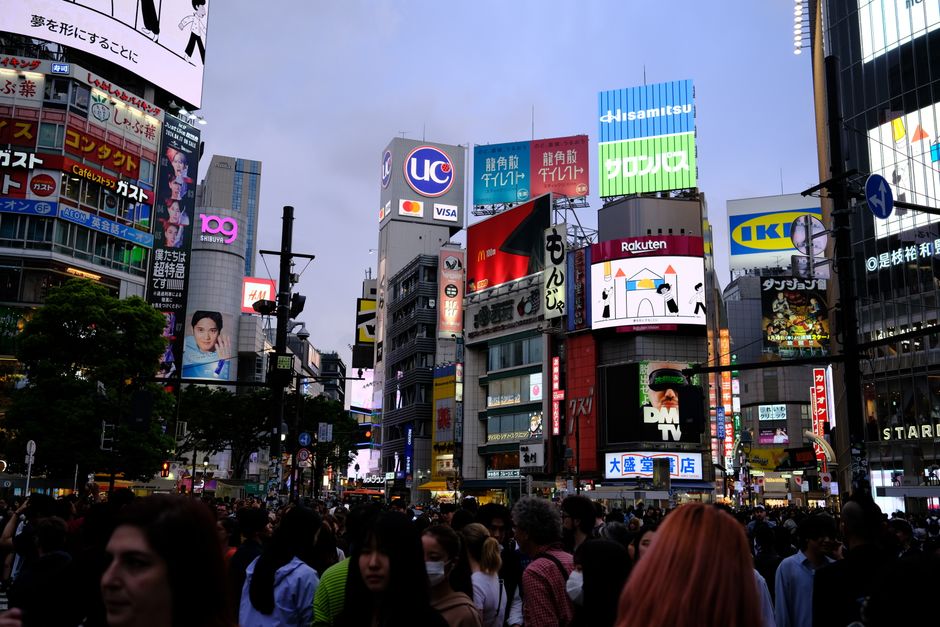
Japan's largest real estate listing aggregators moved this week to enforce stricter duplicate-image detection policies across platforms serving Tokyo's central wards, a shift that property professionals say has been overdue for years. The change, which took effect on July 1, requires agencies listing properties on portals including SUUMO and HOME'S to submit original photography for each new listing — with automated flagging now removing reused images within 24 hours of upload.
The timing is not coincidental. Tokyo's inbound tourism surge and the yen's sustained weakness have pushed demand for short-term rental properties in neighbourhoods like Shinjuku-ku and Minato-ku to levels not seen since before the pandemic. That pressure has created fertile ground for corners to be cut: agencies recycling stock photos from previous listings, or reusing images from similar units in the same building, to push new listings live faster than competitors. The result has been a cluttered, often misleading marketplace that leaves prospective tenants and buyers — including the growing number of foreign residents navigating Japan's famously opaque rental system — unable to trust what they see on screen.
The practical mechanics behind the new rules involve perceptual hashing algorithms — a form of image fingerprinting — that compare newly submitted listing photos against a database of previously published images. Listings flagged as containing images with more than 85 percent similarity to an existing active or recently expired listing are placed in a review queue. Agencies then have 48 hours to submit original replacement photography or face automatic delisting. The Real Estate Companies Association of Japan, which represents thousands of licensed brokers across the Kanto region, circulated guidance to members in late June advising them to audit their back-catalogues before the July 1 deadline.
In Shibuya-ku, several mid-size agencies along Meiji-dori reportedly pulled dozens of active listings in the days before the deadline to pre-empt automatic removals. In Koto-ku, where new apartment construction near Toyosu has accelerated, property managers of multi-unit developments have started scheduling professional photographers on a per-unit basis rather than relying on a single set of model-room images applied across an entire floor.
The broader context matters: Tokyo's housing market has absorbed sustained demand pressure. According to data published by the Tokyo Metropolitan Government in its fiscal 2025 housing white paper, average asking rents for one-bedroom apartments in central Tokyo's three core wards rose approximately 8.3 percent year-on-year. That kind of appreciation means buyers and renters are making high-stakes decisions — sometimes remotely, from overseas — based largely on photographs. Misleading or recycled images are not merely an inconvenience; they have become a transparency problem with financial consequences.
For renters, the immediate practical advice is straightforward: if a listing on SUUMO or HOME'S was published or refreshed after July 1, any photographs attached to it have nominally cleared the new duplicate-detection threshold. That does not guarantee photographic accuracy — staging, lighting choices, and wide-angle lenses remain unregulated — but it does reduce the likelihood of being shown images from a different unit or a previous tenancy.
For agencies, the compliance cost is real. A professional property photography session in central Tokyo typically runs between ¥25,000 and ¥60,000 per unit, depending on size and location. Smaller agencies operating on thin margins in areas like Adachi-ku and Edogawa-ku have raised concerns through industry associations that the new policy disproportionately burdens brokers handling lower-value rentals where per-listing photography costs eat significantly into commissions.
Regulators at the Ministry of Land, Infrastructure, Transport and Tourism are understood to be monitoring compliance data through the third quarter of 2026, with a review of the policy's effectiveness scheduled for October. Whether the platforms extend these standards to commercial property listings — currently exempt — will be the next pressure point the industry watches.
How does this story make you feel?
Spread the word
About this article
Published by The Daily Tokyo
Daily brief
Free, in your inbox before 7am. Weekdays.
More in News