Tokyo's Image Deduplication Push: What Happened This Week
Municipal agencies and private platforms are moving fast to clean up redundant visual data clogging city systems, with real consequences for tourism apps and urban planning tools.
Municipal agencies and private platforms are moving fast to clean up redundant visual data clogging city systems, with real consequences for tourism apps and urban planning tools.
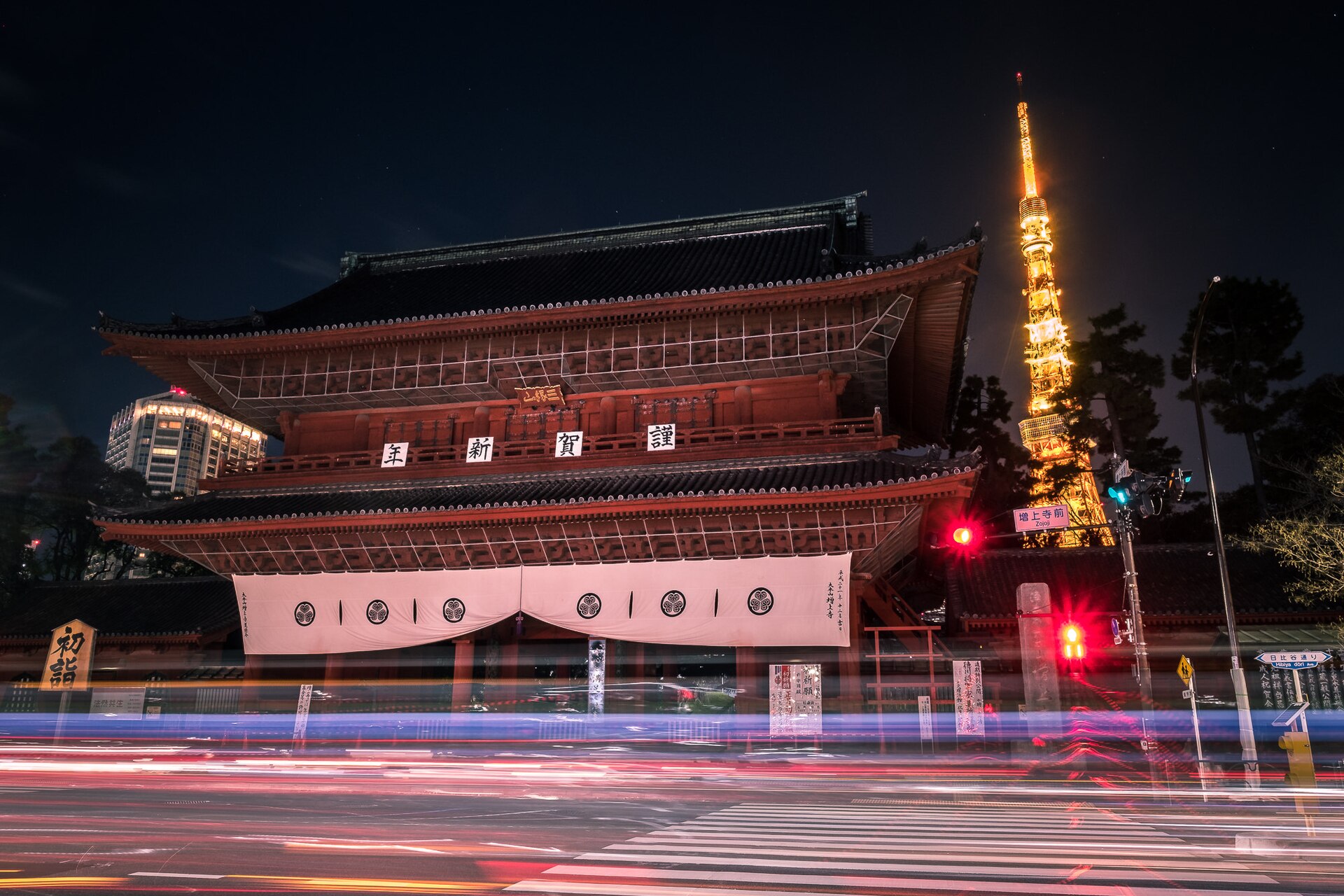
Tokyo's digital infrastructure managers escalated efforts this week to tackle a problem that has quietly grown alongside the city's inbound tourism boom: thousands of duplicate images flooding government databases, tourism portals, and smart-city planning systems. The Tokyo Metropolitan Government's Digital Services Bureau confirmed on Thursday that it is expanding its automated deduplication protocol to cover the official Tokyo Tourism portal and three internal urban-planning data repositories, targeting a backlog that has built up since at least 2023.
The timing is deliberate. Tourist arrivals to Tokyo have surged to record levels in recent months, driven in part by the weak yen making Japan one of the world's more affordable destinations for foreign visitors. Every new hotel listing, every ward-office map update, and every tourism agency photo submission adds to a stock of image files that, without deduplication checks, ends up storing the same photograph of Senso-ji temple or the Shibuya Scramble Crossing dozens of times across different servers. Storage costs scale directly with that redundancy, and so does the processing time required to serve those images to end users.
The immediate catalyst was an audit completed in late June by the Tokyo Metropolitan Government's Information Systems Division, which found that the city's integrated tourism image library, shared across platforms including the official GO TOKYO website and the Shinjuku City Tourism Association's digital catalogue, contained a duplication rate that made routine updates slow and expensive to execute. The bureau did not publish the full audit figures publicly, but the scope of the deduplication drive, covering systems in Shinjuku, Asakusa, and Odaiba, signals the problem is substantial.
Private operators are moving in parallel. Jalan, the travel booking platform operated by Recruit Holdings, began rolling out a perceptual hashing system across its Tokyo property listings on July 1. The technology compares image fingerprints rather than pixel-for-pixel matches, catching near-duplicate shots taken from slightly different angles, the kind of redundancy that defeats simpler tools. Rakuten Travel, which competes directly with Jalan for domestic bookings, announced a similar rollout in May and said its Tokyo listings were the first batch processed.
The pressure comes from multiple directions. The Metropolitan Government is simultaneously managing the rollout of its Digital Twin project, a 3D model of central Tokyo wards that draws on georeferenced imagery, and any duplicate or mislabelled photograph degrades that model's accuracy. The Digital Twin, which covers the area from Marunouchi to Ariake, is a centerpiece of the city's smart-city ambitions under Governor Koike Yuriko's administration.
Cloud storage is not cheap at municipal scale. Tokyo's government pays for data infrastructure under multi-year contracts with NTT Data and Fujitsu, and while the specific line-item costs of image storage are not public, the general principle is straightforward: deduplication directly reduces the volume of data under management, which reduces hosting costs at renewal. For tourism platforms, faster image load times also matter commercially, page speed is a known factor in booking conversion rates.
For small businesses near Nakamise-dori in Asakusa or along Takeshita Street in Harajuku that upload their own promotional photos to city-affiliated listing services, the practical effect this week is a queue. Several vendors reported that their image submissions to the GO TOKYO business portal were held for automated review starting Wednesday, with processing times of up to 48 hours rather than the usual same-day confirmation. The Digital Services Bureau says the delay is temporary while the new deduplication pipeline is calibrated.
The bureau has set an internal deadline of September 30 to complete the first full pass across all affected systems. After that, the automated checks are expected to run continuously on new submissions. Businesses submitting images to city-affiliated platforms should ensure files are properly labelled with location metadata and are not resized copies of previously submitted photographs, the perceptual hashing tools will flag those regardless. For urban planners relying on the Digital Twin data, the bureau says the cleaner image library should improve model accuracy in the Odaiba and Marunouchi zones before the end of the third quarter.
How does this story make you feel?
Spread the word
About this article
Published by The Daily Tokyo
Daily brief
Free, in your inbox before 7am. Weekdays.
More in News


