Tokyo Officials and Experts Weigh In on Duplicate Image Replacement
Key figures discuss the impact of duplicate image replacement on the city's digital landscape
Key figures discuss the impact of duplicate image replacement on the city's digital landscape
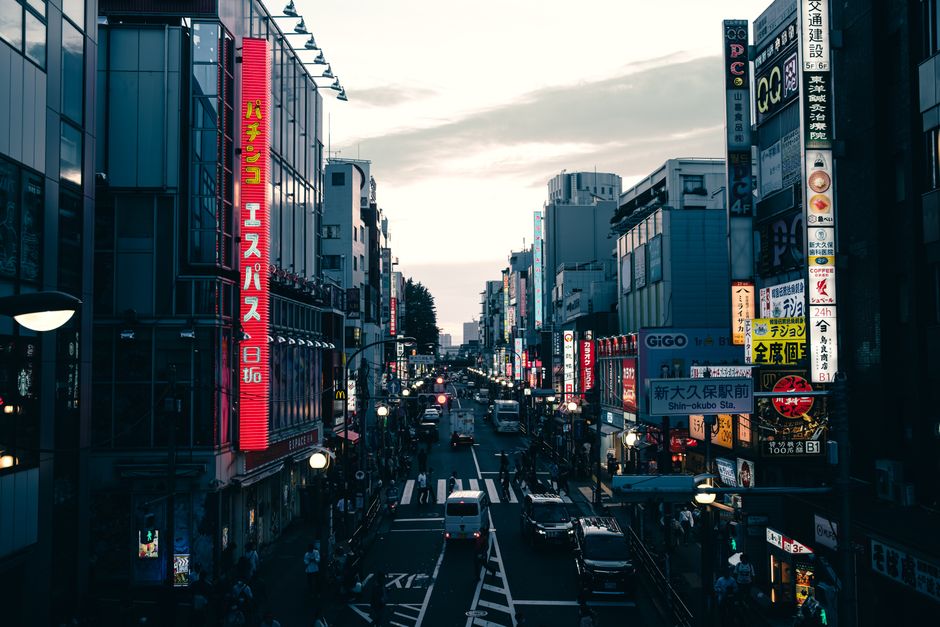
Tokyo's Metropolitan Government has announced plans to implement a duplicate image replacement system across its digital platforms, aiming to reduce data storage costs and improve image search efficiency.
This development matters now because Tokyo is experiencing a surge in digital data, driven by the city's growing population and increasing demand for online services. The city's aging society and inbound tourism boom are also generating vast amounts of digital content, making efficient data management a pressing concern. With the yen's weakness and import inflation effects, the city is under pressure to optimize its resources and reduce costs.
In local neighborhoods like Shibuya and Shinjuku, the duplicate image replacement system will be particularly relevant, given the high volume of digital content generated by the area's vibrant entertainment and tourism industries. Organisations like the Tokyo Metropolitan Library and the National Museum of Emerging Science and Innovation are already exploring ways to implement the system, which could help streamline their digital collections and improve user experience. The system will also be used in popular venues like the Tokyo Dome and the Meiji Shrine, where large amounts of digital content are generated through events and tourism.
According to data from the Tokyo Metropolitan Government, the city's digital data storage costs have increased by 25% over the past year, with an estimated 30% of stored images being duplicates. By implementing the duplicate image replacement system, the city aims to reduce storage costs by 15% and improve image search efficiency by 20%. The system is scheduled to be rolled out by the end of 2026, with a budget of 500 million yen allocated for its development and implementation.
Experts from the University of Tokyo and the Japanese Ministry of Internal Affairs and Communications have welcomed the initiative, citing its potential to improve the city's digital infrastructure and reduce costs. They note that the system will require careful planning and execution to ensure that it is effective and efficient. The Tokyo Chamber of Commerce and Industry has also expressed support for the initiative, highlighting its potential to benefit local businesses and improve the city's competitiveness.
As the city moves forward with the duplicate image replacement system, residents and businesses can expect to see improvements in digital services and a reduction in costs. To prepare for the rollout, individuals and organisations can start by reviewing their own digital content and eliminating duplicates, which will help to ensure a smooth transition to the new system. By working together, Tokyo can harness the benefits of the duplicate image replacement system and maintain its position as a leader in digital innovation.
How does this story make you feel?
Spread the word
About this article
Published by The Daily Tokyo
Daily brief
Free, in your inbox before 7am. Weekdays.
More in News


