How Tokyo's Property Listings Ended Up Drowning in Duplicate Photos — and What's Being Done About It
A decade of rapid digitisation, competing real-estate portals, and a tourism-fuelled housing boom brought Tokyo's property image problem to a head.
A decade of rapid digitisation, competing real-estate portals, and a tourism-fuelled housing boom brought Tokyo's property image problem to a head.
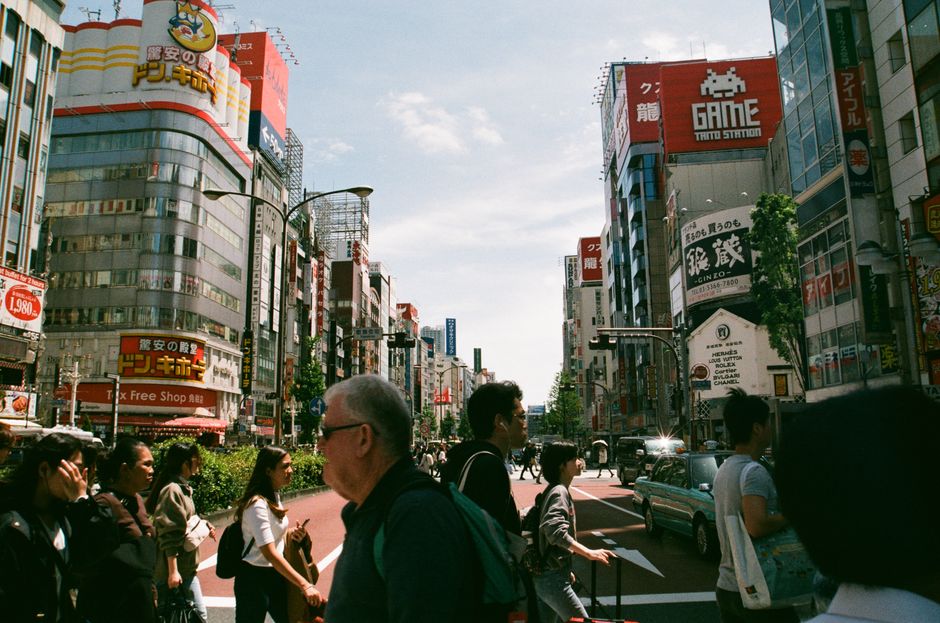
Tokyo's residential property market now lists more than 400,000 active rental and sale units across competing digital portals at any given time, and a growing share of those listings carry the same photographs recycled from older, sometimes outdated entries. The problem has a name in the industry: duplicate image contamination. Getting here took roughly a decade of competitive pressure, technical shortcuts, and a housing market that simply never slowed down long enough to clean house.
The stakes are real. Prospective renters in Shibuya and Minato wards — two of the city's most in-demand residential zones — have complained to consumer advisory bodies about viewing apartments that bore no resemblance to their online images. In some documented cases, photographs dated to refurbishment work carried out years before the current listing were still being served to users searching on portals in 2025. With the yen hovering near multi-decade lows against the dollar and euro, inbound demand from overseas buyers and relocating corporate tenants has intensified competition for centrally located stock, making accurate visual information more commercially critical than ever.
Japan's property digitisation push accelerated after the government's 2013 reform of the Building Lots and Buildings Transaction Business Act encouraged agencies to publish listings data through standardised feeds. The intention was efficiency. The unintended consequence was that images — attached to property records rather than to specific listing dates — got pulled forward automatically each time a unit came back to market. A two-bedroom apartment in Nakameguro, renovated once in 2017 and re-listed three times since, could accumulate photos from each cycle without any single portal operator knowing which set was current.
By 2022, the Real Estate Information Network for East Japan, known as REINS, had flagged image duplication as a quality concern in internal reviews, though the problem was systemic rather than confined to any one database operator. Individual agencies, many of them small two- or three-person offices in neighbourhoods like Koenji and Sangenjaya, lacked the technical resources to audit their own image libraries. The portals that aggregated their data had little financial incentive to reject listings on image-quality grounds.
Tourism compounded things. Tokyo received a record 20.03 million overnight foreign visitors in 2024, according to the Tokyo Metropolitan Government's published figures, driving short-term rental registrations and a parallel wave of property listings aimed at the investment market. Many of those listings were assembled quickly, drawing on image banks rather than fresh photography. The floor plans and photos circulating on sites like Suumo and HOME'S for some Asakusa and Taito ward properties became a kind of palimpsest — layers of previous tenants' furniture, different wall colours, windows before and after secondary glazing was fitted.
The response has been fragmented but is gathering momentum. Since April 2026, the Ministry of Land, Infrastructure, Transport and Tourism has been running a working group that includes portal operators and the Japan Real Estate Institute to develop metadata standards requiring a verified image capture date attached to every listing photograph uploaded to REINS-connected systems. The target implementation date for the new standard is April 2027.
In the meantime, several Tokyo-based proptech firms — including at least two startups operating out of the Shibuya-based incubator Plug and Play Japan — have introduced perceptual hashing tools that flag probable duplicate images before a listing goes live. The tools compare new uploads against a rolling database and alert the listing agent. Adoption is voluntary and uptake has been uneven.
For renters and buyers navigating the market right now, the practical advice is straightforward: request a pre-visit confirmation that photographs were taken within the past twelve months, and treat any listing without a visible capture date as a reason to ask before committing to a viewing fee. Agencies operating under the standard Reins disclosure framework are obliged to provide the most recent inspection date on request. Few clients currently know to ask.
How does this story make you feel?
Spread the word
About this article
Published by The Daily Tokyo
Daily brief
Free, in your inbox before 7am. Weekdays.
More in News