Tokyo's Digital Archives Tackle a Growing Duplicate Image Crisis This Week
Municipal agencies and private tech firms in the capital are racing to clean up redundant photo databases as AI-driven deduplication tools enter the mainstream.
Municipal agencies and private tech firms in the capital are racing to clean up redundant photo databases as AI-driven deduplication tools enter the mainstream.
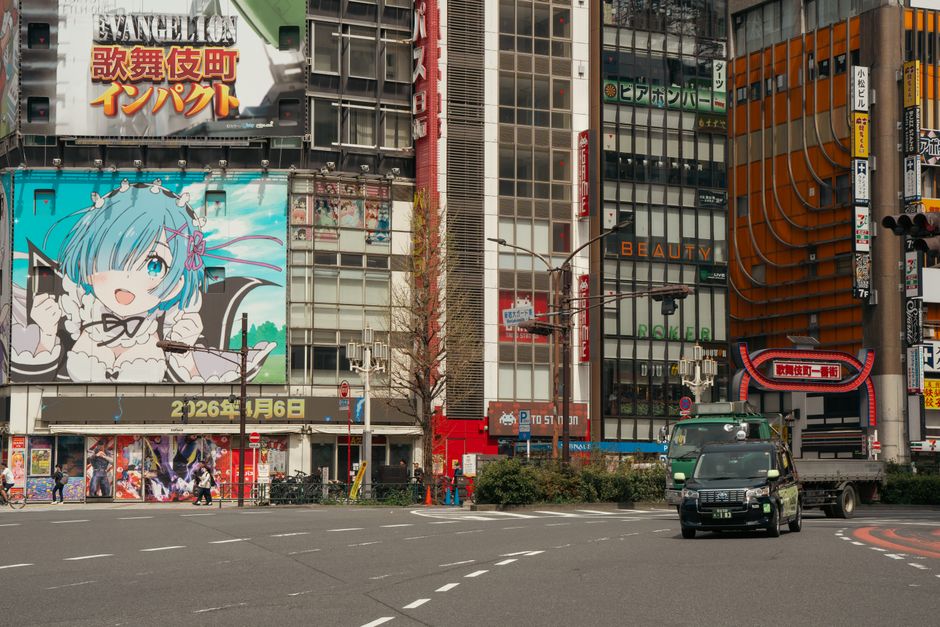
Tokyo's public records offices and major media archive operators confirmed this week that a coordinated push to eliminate duplicate images from government and commercial databases is accelerating, driven by storage costs that have climbed sharply alongside the yen's continued weakness and a surge in digitised tourism and urban-planning material.
The timing matters. The Tokyo Metropolitan Government's Bureau of General Affairs has been expanding its digital infrastructure since fiscal 2024, scanning millions of physical documents and photographs as part of a broader paperless mandate. That archiving sprint has left legacy storage systems bloated with redundant files — the same image appearing dozens of times under different filenames or in separate departmental folders — a problem archivists and IT managers say is now urgent enough that it cannot be managed manually.
On July 2, the Tokyo Digital Foundation — a public-private body established by Governor Koike Yuriko's administration to oversee smart-city initiatives — published internal guidance recommending that all ward-level offices begin phased adoption of automated deduplication software by September 30, 2026. The guidance, distributed to the 23 special wards, sets a target of reducing redundant image files by at least 40 percent before the next fiscal review cycle. Staff at Shinjuku City Office and Shibuya Ward Office were among the first recipients briefed on the new framework, according to the published document summary on the Foundation's website.
Separately, Akihabara-based tech firm Gehirn Inc., a subsidiary of GMO Internet Group, announced Tuesday that it had expanded its cloud deduplication service to handle image-specific metadata matching — not just file-size comparison, but perceptual hashing, which detects visually identical photographs even when they have been resized, slightly cropped, or re-saved in a different format. The company said the upgrade was partly a response to demand from municipal clients managing inbound-tourism photography archives, a category that has exploded since Japan recorded more than 36 million foreign visitors in 2025, generating an unprecedented volume of licensed and unlicensed imagery in public databases.
Cost is a concrete driver. Server storage fees billed in US dollars have become measurably more painful as the yen has traded below 155 to the dollar for much of 2026. A ward office that might have considered redundant image storage a minor inefficiency two years ago is now looking at real line-item overruns. Tokyo's Taito Ward, home to Asakusa and one of the highest concentrations of tourism-related photographic records in any ward, has reportedly been flagged internally as a priority site for the deduplication rollout, given the volume of near-identical temple and festival imagery held across multiple departmental servers.
Duplicate image replacement is not simply a matter of deleting files. Archivists at the Tokyo Metropolitan Library in Minami-Azabu have pointed out in publicly available conference materials that many apparent duplicates carry different provenance metadata — a photograph of Senso-ji taken in 2018 by a city photographer and the visually identical shot taken by a contracted journalist may look the same to an algorithm but serve entirely different legal and licensing purposes. Deleting the wrong version can trigger contract disputes or break citation chains in official urban-planning documents.
The Tokyo Digital Foundation's July 2 guidance acknowledges this, recommending a human-review stage for any file flagged as a duplicate before permanent deletion. Ward offices with fewer than five IT staff — a description that fits roughly a third of Tokyo's 23 wards — are being directed toward a shared-service model operated from the Nishi-Shinjuku municipal IT hub on Chuo-dori rather than running deduplication locally.
For residents and businesses interacting with ward offices online, the practical effect should become visible by late autumn: faster image searches in public document portals, fewer broken thumbnail links in planning consultation pages, and — if the 40 percent reduction target holds — lower per-ward IT operating costs that officials say could be redirected toward elder-care digital services. The September 30 deadline gives ward offices roughly 13 weeks to audit their holdings and begin the first automated passes. Whether the timetable holds will depend heavily on how quickly staff can be trained on the new tools — a question the Foundation's guidance does not yet answer.
How does this story make you feel?
Spread the word
About this article
Published by The Daily Tokyo
Daily brief
Free, in your inbox before 7am. Weekdays.
More in News