Tokyo's Duplicate Image Problem: Why Residents Are Paying the Price for Bad Data
From real estate listings to government ward portals, duplicated property photos are distorting the housing market and eroding trust at exactly the wrong time.
From real estate listings to government ward portals, duplicated property photos are distorting the housing market and eroding trust at exactly the wrong time.
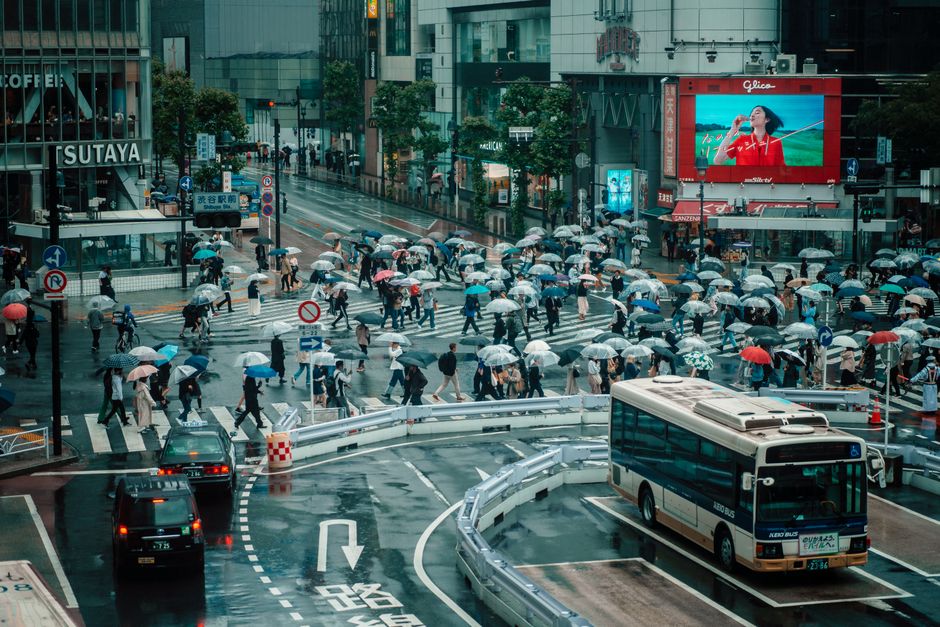
A single apartment in Shibuya's Daikanyama neighbourhood appeared on at least four separate property listing sites last month with identical photographs but different floor plans, different rents, and two different stated owners. The unit — a 38-square-metre one-bedroom asking ¥198,000 per month — did not exist as advertised on any of those platforms. This is the duplicate image problem, and it is getting worse across Tokyo's housing and civic infrastructure simultaneously.
The timing matters because Tokyo's central wards are absorbing record inbound tourism alongside genuine residential demand from younger workers priced out of Minato and Chiyoda. The Real Estate Transaction Act requires licensed agents to submit accurate property data to the REINS system — the Ministry of Land, Infrastructure, Transport and Tourism's mandated listing registry — but no rule currently compels platforms to de-duplicate images pulled from that database before republishing them to consumers. The gap between regulation and practice is creating real harm.
The mechanics are straightforward and maddening. Aggregator sites scrape authorised listings, strip metadata, and republish the same interior photographs attached to different property records. Buyers and renters in Kōenji, Nakameguro, and Kagurazaka report spending hours scheduling viewings for units that turn out to be already occupied, misidentified, or non-existent as described. Each wasted viewing costs a renter in time and, often, a half-day of paid leave. For an office worker earning Tokyo's average monthly salary of roughly ¥360,000, that is not an abstraction.
The problem extends beyond private real estate. Tokyo Metropolitan Government's Digital Services Bureau, which has been consolidating ward-level civic portals since 2023 under the GovTech Tokyo initiative, identified duplicated image assets across ward government sites as a technical debt issue in its fiscal 2025 review. Setagaya Ward's community facility booking portal and Bunkyo Ward's public notice board both carry redundant image files — in some cases the same photograph of a meeting room appears under three separate facility names — creating confusion for residents trying to book space for neighbourhood association meetings or elder-care support groups.
Japan's overall digitisation push, accelerated by the Digital Agency established in September 2021, has set 2026 as a target year for standardising government data formats across prefectures. But standardisation of data structure does not automatically resolve image duplication, which requires either perceptual-hash deduplication tools or manual audits. Neither has been mandated for local government portals.
For renters and buyers, the most practical protection right now is cross-referencing any listing against the REINS public database directly through a licensed agent before paying any application fee. The REINS access point for consumers requires a registered agent intermediary, but 84 percent of Tokyo-area agencies are registered with the Real Estate Japan Association, which maintains a branch on Kandabashi in Chiyoda Ward. Agents can pull a property's full image and documentation history in minutes.
For community groups navigating ward government portals, GovTech Tokyo's public issue tracker — accessible via the metropolitan government's main portal — accepts duplicate-content reports, and ward digital offices are required to respond within 30 business days under the 2024 Tokyo Digital Governance Charter.
The longer structural fix requires the Digital Agency to extend its data-quality guidelines to image assets, not just structured fields like addresses and timestamps. A working group on property data integrity is expected to present recommendations to the Land Ministry by September 2026. Until that guidance lands, the burden falls on residents to do the verification work that platforms and registries should be doing for them. In a city where the average housing search already takes 6.2 weeks according to a 2025 survey by Lifull Home's, that is a burden most people can ill afford.
How does this story make you feel?
Spread the word
About this article
Published by The Daily Tokyo
Daily brief
Free, in your inbox before 7am. Weekdays.
More in News


