news
Tokyo Tackles Fake Real Estate Photos Plaguing Housing Market
Duplicate and misrepresented listing images have distorted Tokyo's housing market for years; a combination of platform pressure, ward-level enforcement, and a post-pandemic tourism surge is finally forcing a reckoning.
Listen in English · 4 min
How we reported this
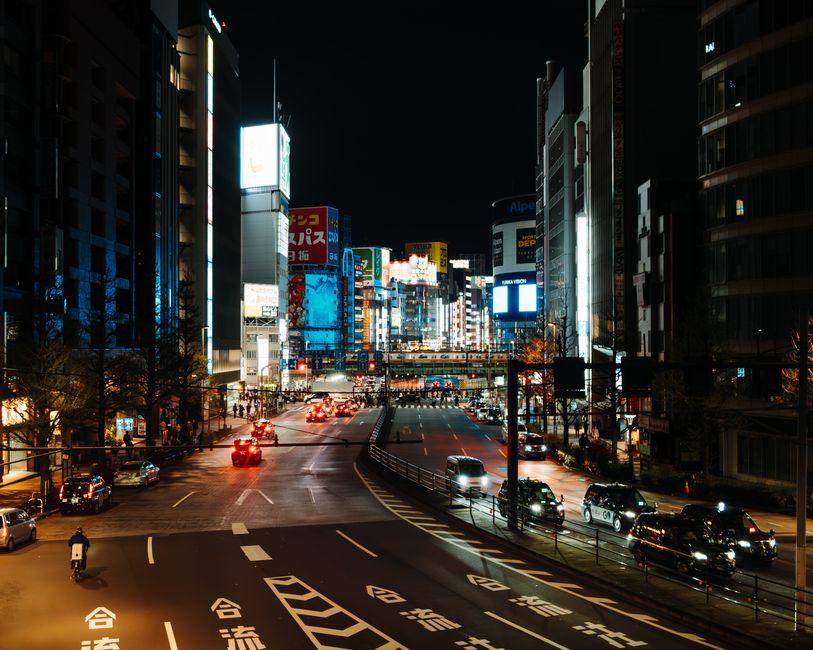
Walk into any real estate agency on Kagurazaka's main slope or scroll through the major property portals on a weekday morning and the problem is immediately visible: the same photograph of a sunlit six-tatami room in Shinjuku-ku appears under three different addresses, sometimes at price points that vary by as much as ¥30,000 a month. Duplicate listing images, photos recycled across multiple properties, pulled from older listings, or digitally touched up to remove mould stains and cramped sight lines, have been quietly warping Tokyo's rental and resale market for at least a decade.
The issue matters now because the stakes have risen sharply. Inbound tourism to the Tokyo metropolitan area hit record levels in 2025, pushing short-term rental demand into neighbourhoods that had previously been quiet residential corridors. At the same time, a weakening yen has made import costs, including construction materials and imported appliances, significantly more expensive, narrowing the margin landlords have for presenting substandard stock honestly. When a real photograph of a cramped, aging apartment risks deterring tenants in a competitive market, the temptation to borrow a more flattering image from another listing becomes commercially rational, even if legally dubious.
A Problem Built Over Years of Light-Touch Oversight
Japan's Act on Building Lots and Buildings Transaction Business requires licensed agents to provide accurate representations of properties, but the law was written long before digital photography and aggregator portals made it trivially easy to copy and repurpose images at scale. The Real Estate Transaction Promotion Center, which sits under the Ministry of Land, Infrastructure, Transport and Tourism, has historically focused its enforcement energy on disclosure documents rather than photographic accuracy. That left a gap that aggregator platforms, including the major portals operating under the SUUMO and HOME'S brands, were slow to police themselves.
Tokyo's ward governments began noticing the downstream effects around 2022. Residents in Sumida-ku and Koto-ku, two wards that saw significant new rental stock built ahead of the 2020 Olympics, filed complaints with local consumer affairs offices about apartments that looked nothing like their listed photos. By 2023, the Tokyo Metropolitan Government's Bureau of Urban Development had logged enough complaints to begin informal discussions with the major listing platforms about photo verification standards, though no formal mandate emerged from those talks.
The Consumer Affairs Agency, in its fiscal 2024 annual report, noted a measurable uptick in property-related misrepresentation complaints nationally, a figure that the agency said had grown for three consecutive years. The metropolitan government has not published ward-level breakdowns, but consumer advocates in Shibuya and Minato-ku have pointed to those two wards, where short-term rental conversions are densest, as particular pressure points.
Platform Responses and What Tenants Should Know Now
Pressure from the Tokyo Metropolitan Government and from the Real Estate Fair Trade Council, an industry self-regulatory body, prompted SUUMO's operator, Recruit Holdings, to announce in March 2026 that it would roll out an automated image-matching system to flag photographs appearing across multiple distinct property IDs. The system began a phased deployment in April 2026, starting with listings in the 23 special wards. HOME'S, operated by Lifull Co., confirmed a parallel review process was underway but has not published a deployment timeline.
For tenants and buyers navigating the market today, the practical advice from consumer law specialists is consistent: request a physical or video walk-through before signing any contract, and cross-reference listing photos against Google Street View and the timestamp metadata embedded in image files, which reputable agents should disclose on request. Listings on the Tokyo Metropolitan Government's own J-Sumai support portal, aimed at foreign residents and managed through the Bureau of Citizens and Cultural Affairs, are subject to a manual review step that private platforms have not yet matched.
The automated systems going live this year represent the most substantive structural change to how Tokyo's listing market handles image integrity since aggregator portals first launched in the early 2000s. Whether the self-regulatory push proves sufficient, or whether MLIT ultimately steps in with binding photographic standards, will likely depend on how quickly, and visibly, the new tools reduce the complaint numbers the Consumer Affairs Agency has been tracking.