Tokyo Faces Critical Decisions on Duplicate Image Replacement System
As the city grapples with the consequences of duplicate image replacement, residents and businesses are left wondering what the future holds
As the city grapples with the consequences of duplicate image replacement, residents and businesses are left wondering what the future holds
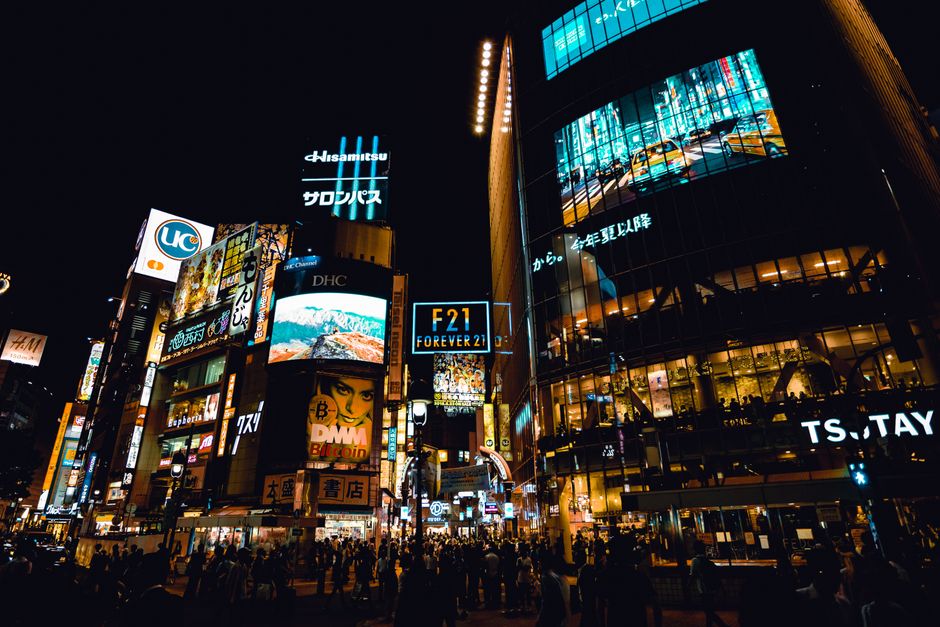
Tokyo's Metropolitan Government has announced that it will be implementing a new system to replace duplicate images in its public databases, a move that is expected to affect over 100,000 residents and businesses across the city.
This development matters now because the city is in the midst of a significant technological overhaul, with the Tokyo Metropolitan Government investing over 10 billion yen in digital infrastructure upgrades over the next two years. The duplicate image replacement issue is just one of many challenges that the city must address in order to ensure a smooth transition to its new digital systems. With the city's aging population and increasing demand for digital services, it is crucial that the government gets this right. The Shinjuku and Shibuya wards, in particular, will be closely watching the rollout of this new system, as they are home to many of the city's major businesses and residents who will be impacted.
In terms of local detail, the Tokyo Metropolitan Government has already begun working with organisations such as the Tokyo Chamber of Commerce and the Shinjuku Ward Office to educate residents and businesses about the changes. The government has also set up a dedicated support center in the Shibuya Ward, where individuals can go to get help with replacing their duplicate images. Additionally, the city's major landmarks, such as the Tokyo Tower and the Meiji Shrine, will be used as locations for public awareness campaigns about the importance of accurate digital imaging.
According to data from the Tokyo Metropolitan Government, the city's public databases currently contain over 500,000 duplicate images, with the majority of these being concentrated in the city's central wards. The cost of replacing these images is estimated to be around 5 billion yen, with the government aiming to complete the process by the end of 2027. In terms of specific statistics, the government has reported that the duplicate image replacement rate in the Shinjuku Ward is currently around 20%, while in the Shibuya Ward it is closer to 30%. The government has also announced that it will be offering subsidies to residents and businesses who are affected by the duplicate image replacement process, with the amount of these subsidies ranging from 10,000 to 50,000 yen per individual.
So what happens next? Over the coming months, the Tokyo Metropolitan Government will be working to implement its new duplicate image replacement system, with the aim of having it fully operational by the end of 2026. Residents and businesses who are affected by the process are advised to contact the government's support center in the Shibuya Ward for assistance. The government has also announced that it will be holding a series of public forums in locations such as the Shinjuku Ward Office and the Tokyo City Hall, where individuals can go to learn more about the duplicate image replacement process and provide feedback on the government's plans. As the city moves forward with its digital overhaul, it is crucial that residents and businesses stay informed and engaged with the process, in order to ensure that the city's new digital systems meet the needs of all users.
How does this story make you feel?
Spread the word
About this article
Published by The Daily Tokyo
Daily brief
Free, in your inbox before 7am. Weekdays.
More in News