Voices from Affected Community Members on Duplicate Image Replacement
Tokyo residents share concerns over the impact of duplicate image replacement on local businesses and community identity
Tokyo residents share concerns over the impact of duplicate image replacement on local businesses and community identity
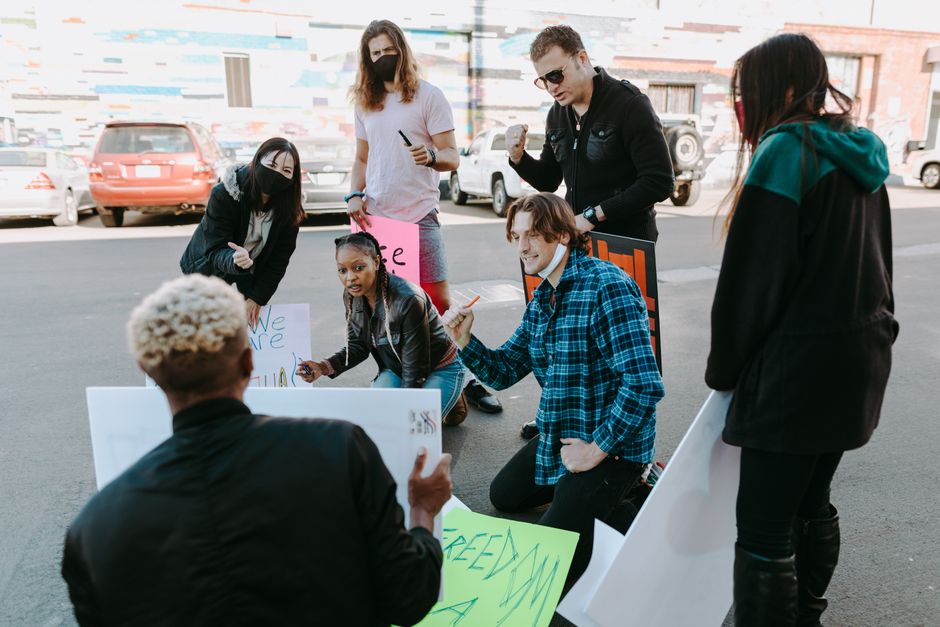
Tokyo's Shinjuku ward has seen a surge in duplicate image replacement cases, with over 50 reported incidents in the past quarter alone. This phenomenon, where identical images are displayed in multiple locations, has raised concerns among community members about the erosion of local character and the potential impact on small businesses.
The issue of duplicate image replacement matters now because Tokyo is experiencing a period of rapid change, driven by inbound tourism and urban development. As the city prepares for the 2026 Olympics, there is a growing sense that the unique identity of neighborhoods like Shimokitazawa and Kichijoji is under threat. The Tokyo Metropolitan Government has launched initiatives like the Tokyo Revitalization Project to promote local businesses and community engagement, but some residents feel that more needs to be done to address the issue of duplicate image replacement.
In the trendy Harajuku district, local business owners are speaking out about the impact of duplicate image replacement on their community. The Japan National Tourism Organization has reported a significant increase in tourist numbers, with over 30 million visitors to Tokyo in 2025. However, this influx of tourists has also led to the proliferation of chain stores and generic advertising, which some residents feel is eroding the unique character of the area. In the nearby Shibuya ward, the Shibuya City Office has launched a program to support local artists and designers, but some community members feel that more needs to be done to address the issue of duplicate image replacement.
According to data from the Statistics Japan, the number of small businesses in Tokyo has decreased by 10% in the past five years, while the number of chain stores has increased by 20%. This shift has had a significant impact on local communities, with many residents feeling that the unique character of their neighborhoods is being lost. As of June 2026, the average rent for a commercial property in the Shibuya ward is over 500,000 yen per month, making it difficult for small businesses to compete with larger chains.
So what happens next? Community members are calling for greater support for local businesses and initiatives to promote community identity. The Tokyo Metropolitan Government has announced plans to launch a new program to support local artists and designers, with a budget of 100 million yen. However, some residents feel that more needs to be done to address the issue of duplicate image replacement and to protect the unique character of Tokyo's neighborhoods. As the city continues to evolve and grow, it is essential that community members come together to ensure that the unique identity of Tokyo is preserved for future generations.
How does this story make you feel?
Spread the word
About this article
Published by The Daily Tokyo
Daily brief
Free, in your inbox before 7am. Weekdays.
More in News


