Duplicate Property Listings Are Inflating Tokyo Rents and Confusing Buyers — Here's What Residents Need to Know
Repeated and outdated images flooding Tokyo's online rental portals are distorting the market and costing ordinary renters real money.
Repeated and outdated images flooding Tokyo's online rental portals are distorting the market and costing ordinary renters real money.
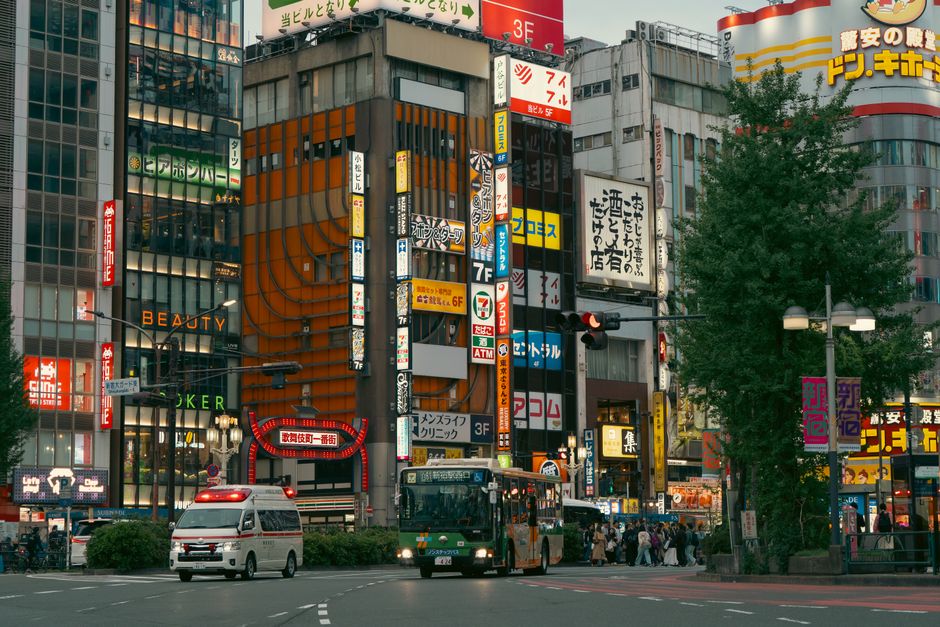
Walk into any real estate agency on Koenji's Chuo-dori or scroll through Suumo on a Saturday morning and you will quickly notice something strange: the same apartment photograph appearing under three different listings, sometimes at three different prices. Duplicate images in property databases have become a quiet but growing problem across Tokyo's rental and sales platforms, and housing advocates say the confusion is pushing residents into costly mistakes at exactly the wrong time.
The timing matters. With yen weakness keeping import costs high through 2025 and into 2026, Tokyo households are already squeezed. Average monthly rents for one-room apartments in Shibuya Ward hit roughly ¥110,000 in the first quarter of 2026, according to Real Estate Japan data compiled earlier this year. Any friction that sends renters toward the wrong listing — or delays a decision on a property that no longer exists at the advertised price — adds financial stress that many families cannot afford.
The mechanics are straightforward. When a landlord or broker uploads photographs to multiple portals — At Home, Homes.co.jp and Suumo are the three dominant platforms — without unique image identifiers, aggregator algorithms can serve the same pictures against different units, different floor plans, or prices updated on one platform but not another. A Nakameguro studio might be listed at ¥95,000 on one site and ¥105,000 on another using identical photographs, leaving the prospective tenant with no clear sense of what is actually available or accurate.
The Real Estate Transaction Promotion Center, an industry body affiliated with Japan's Ministry of Land, Infrastructure, Transport and Tourism, has published guidelines requiring brokers to remove listings within two weeks of a contract being signed. Enforcement, however, relies largely on self-reporting. Brokers operating out of smaller offices — particularly in high-turnover corridors like the Seibu Shinjuku Line between Takadanobaba and Higashi-Murayama — often lack the staff to update multiple portals simultaneously, leaving ghost listings with recycled images active for weeks.
Tokyo Metropolitan Government's Bureau of Urban Development has been piloting a unified property data standard under its Digital Governance initiatives, part of Governor Koike Yuriko's broader smart-city agenda. The pilot, which began in fiscal year 2025, targets Koto and Sumida wards first, with the goal of assigning traceable metadata to listing images so duplicates can be automatically flagged across platforms. Whether the pilot expands citywide will depend on budget allocation decisions expected in the autumn 2026 assembly session.
The inbound tourism surge has added another layer of complexity. Short-term rental operators relisting the same Airbnb-style units as long-term properties — using the same promotional photography — have cluttered search results in Taito Ward around Asakusa and in Minato Ward near Roppongi Hills. Residents hunting for genuine long-term housing report spending significantly more hours screening listings than they did three years ago.
The practical advice from housing support groups is specific. The NPO Moyai, which operates a housing consultation service in Shinjuku, recommends cross-referencing any listing image using a reverse image search before contacting a broker. If the same photograph appears on a listing marked as sold or contracted on one platform, treat the remaining listings as potentially outdated. Always request the property's residential address and verify it against the Legal Affairs Bureau's publicly searchable land registry, accessible online through the Ministry of Justice portal.
For buyers rather than renters — particularly in central wards like Chiyoda and Bunkyo where condominium prices remain elevated — the stakes are higher. A duplicated image attached to a stale listing can pull a buyer into negotiation over a unit already under contract, wasting agent fees and legal consultation costs that typically run ¥50,000 or more per transaction.
Tokyo Metropolitan Government has confirmed that the Digital Governance pilot will publish interim results by March 2027. Until then, residents are largely on their own — which makes knowing the tools, and the terrain, essential.
How does this story make you feel?
Spread the word
About this article
Published by The Daily Tokyo
Daily brief
Free, in your inbox before 7am. Weekdays.
More in News


