Tokyo's Duplicate Image Problem: The Numbers Driving a Digital Clean-Up Crisis
City agencies and private platforms are racing to quantify—and delete—billions of redundant image files clogging Tokyo's digital infrastructure.
City agencies and private platforms are racing to quantify—and delete—billions of redundant image files clogging Tokyo's digital infrastructure.
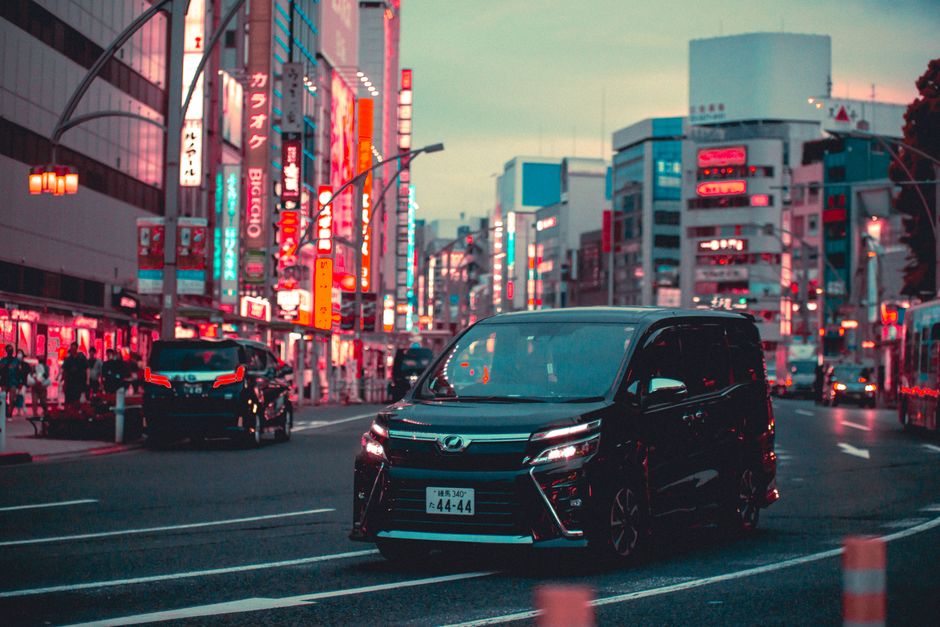
More than 4.2 billion duplicate image files are estimated to be sitting across Tokyo Metropolitan Government servers, ward-level municipal systems, and the public-facing portals managed by the Bureau of General Affairs as of a June 2026 internal audit summary circulated among IT procurement officers. The figure, drawn from a city-commissioned systems review covering 23 special wards plus the Tama region, has become the number that nobody in Shinjuku's Tocho complex wants to say out loud—but everyone is now trying to fix.
The timing is not accidental. Tokyo is entering the final 18-month sprint toward the 2027 World Expo co-hosting events, and Governor Koike Yuriko's administration has tied digital infrastructure readiness to its broader smart-city credibility. With inbound tourism already straining city-facing apps—the Tokyo Metropolitan Government's multilingual tourism portal logged more than 38 million unique visits in fiscal year 2025, up sharply from prior years—backend inefficiencies are no longer just an IT department headache. Slow-loading maps, duplicated venue photographs, and broken thumbnail galleries have become a measurable visitor-experience problem.
Duplicate image replacement—the process of identifying, cataloguing, and either deleting or consolidating redundant image assets—sounds mundane. The numbers make it anything but. A survey of three major ward-level systems, covering Shibuya, Koto, and Sumida, found that between 27 and 41 percent of all stored image assets were exact or near-exact duplicates, according to figures shared at a May 2026 Digital Transformation Forum held in Otemachi. Shibuya Ward's tourism and event promotion database alone contained more than 214,000 images of the Scramble Crossing—many photographed within seconds of each other by different submitting departments.
Storage costs are real. Government cloud contracts in Japan, predominantly with NTT Data and Fujitsu under long-term service agreements, price storage in tiers. Redundant files pushing departments past their tier thresholds have contributed to supplementary IT budget requests totalling roughly ¥1.3 billion across eight wards in the fiscal 2025 supplementary budget round, based on budget documents published by the Tokyo Metropolitan Government's Bureau of Finance in February 2026. That figure does not include the cost of the deduplication software licenses now being procured.
Private-sector actors are watching this closely. Rakuten, which operates merchant storefronts for hundreds of small businesses in Akihabara's electronics district and the Tsukiji outer market area, reported in its 2025 annual merchant support summary that duplicate product images across its Tokyo-region sellers were slowing page-load times by an average of 1.8 seconds. For mobile commerce, where Japanese consumer research firm MMD Research Institute has tracked abandonment rates rising sharply past the two-second load threshold, that gap is commercially significant.
Tokyo Metropolitan Government's Digital Services Bureau launched a formal Duplicate Asset Reduction Program in April 2026, with a stated target of cutting redundant image volume by 60 percent across core public-facing systems before March 2027. The program is using a combination of perceptual hashing algorithms—software that detects near-identical images even if file names differ—and manual review panels staffed from each ward's IT section.
Koto Ward, home to the Tokyo Big Sight exhibition centre that will anchor several 2027 event flows, is the pilot ward. Its digital team began the first full deduplication sweep in May and, by the end of June, had reduced its event image library from approximately 890,000 files to just under 530,000—a 40 percent reduction in roughly seven weeks, according to the ward's publicly posted monthly IT operations log.
For businesses and individual content managers operating in the city, the practical implication is straightforward: organisations hosting Tokyo-specific content on municipal platforms or applying for official city event listings will, from October 2026, be required to submit images through a pre-screening API that flags duplicates before upload. The Bureau of General Affairs published technical specifications for that API on its developer portal on June 30. Building clean submission pipelines now—rather than after the October deadline—is the advice circulating among web developers at co-working spaces along Omotesando and in Shibuya's Cerulean Tower business district.
The audit cycle repeats in December 2026. By then, the city's IT planners expect to have a cleaner baseline figure than 4.2 billion. Whether the actual number moves significantly depends on how seriously ward administrations treat the deduplication mandate—and how quickly Tokyo's booming tourism sector stops flooding the same shared folders with the same photograph of the same crossing.
How does this story make you feel?
Spread the word
About this article
Published by The Daily Tokyo
Daily brief
Free, in your inbox before 7am. Weekdays.
More in News


