Tokyo's Duplicate Image Problem: Why Residents Are Paying the Price for Sloppy Property Listings
From Shibuya to Adachi, duplicate and replaced listing photos are distorting the rental market and leaving tenants with nasty surprises on move-in day.
From Shibuya to Adachi, duplicate and replaced listing photos are distorting the rental market and leaving tenants with nasty surprises on move-in day.
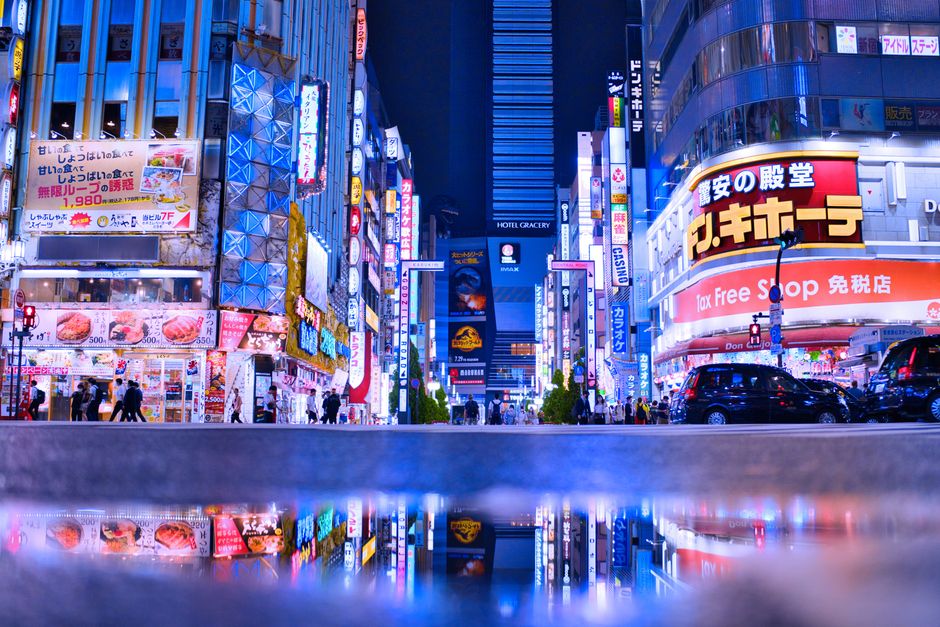
Renters in Tokyo are increasingly showing up to apartments that look nothing like the photos that sold them on signing a lease. The culprit, property industry insiders have long acknowledged, is the widespread practice of duplicate image replacement — where agencies reuse stock photos, images from previous tenants' tenancies, or outright substitute pictures from higher-grade units to fill listings on platforms like Suumo and Homes.co.jp. With central ward rents climbing steeply through 2025 and into 2026 on the back of yen weakness driving up renovation material costs, the stakes for getting duped by a misleading listing have never been higher.
The timing matters. Tokyo's inbound tourism surge has pushed short-term rental demand into direct competition with long-term residential supply, particularly in Shinjuku, Minato, and Shibuya wards. Agencies under pressure to turn over vacant units fast are cutting corners on listing photography. A unit sitting empty for even two or three weeks carries real cost when monthly rents for a 1LDK in Minami-Aoyama now routinely exceed ¥200,000. The incentive to grab any workable photo — even one from a different floor, a different building, or a unit that no longer exists in that configuration — is structural, not accidental.
The Tokyo Metropolitan Government's Bureau of Urban Development maintains a set of voluntary guidelines for real estate advertising, but enforcement relies almost entirely on industry self-regulation through the Real Estate Transaction Association of Tokyo, headquartered in Shinjuku. That association's own compliance framework does not currently mandate that listing photographs carry metadata timestamps or unit-specific identifiers — a gap that consumer advocates have flagged repeatedly since at least 2023.
In Adachi ward, where average rents are considerably lower than central Tokyo and tenant turnover rates are high, local housing support NPO Adachi Seikatsu Anzen Net has documented a pattern of listings for renovated units that show bathrooms and kitchens from a model room rather than the actual space being rented. Tenants who arrived expecting a newly fitted kitchen found original 1980s fixtures. The ward sits along the Tobu Skytree Line, where demand from young workers priced out of Arakawa and Kita has increased sharply since 2024.
In Shibuya, the problem skews differently. Short-term rental operators near Daikanyama and Nakameguro have been flagged on consumer complaint forums for listing the same set of professional interior photographs across multiple properties simultaneously — a classic duplicate image scenario where a single photogenic unit's images are cloned to represent several separate, less appealing listings. The Ministry of Land, Infrastructure, Transport and Tourism received a reported 1,840 formal real estate advertising complaints nationwide in fiscal year 2024, though the ministry has not broken that figure down by prefectural origin or listing type in its published data.
The most practical protection available to Tokyo renters today costs nothing. Google's reverse image search, and the dedicated tool available through TinEye, can identify whether a listing photograph appears elsewhere online — attached to a different address, a different building, or a commercial furniture showroom. Running every listing photo through one of these tools before signing anything takes under five minutes and has already saved a number of renters from costly mistakes, according to tenant community threads on the Japanese social platform Mixi and on Reddit's r/japanlife subreddit.
The Real Estate Transaction Association of Tokyo is expected to review its voluntary photography guidelines before the end of fiscal 2026, with a working group meeting reportedly scheduled for September. Consumer groups want mandatory geo-tagged photo metadata as a condition of listing on major portals. Whether the portals themselves — Suumo is operated by Recruit Holdings, Homes.co.jp by Lifull — will move ahead of any regulatory requirement is an open question both companies have been publicly quiet on.
For now, the burden sits with renters. Walk every prospective unit before signing. Photograph the actual space on your phone and compare it frame by frame against the listing. If an agency cannot arrange an in-person preview — a refusal that itself should raise flags — treat the listing as unverified regardless of how polished its pictures look.
How does this story make you feel?
Spread the word
About this article
Published by The Daily Tokyo
Daily brief
Free, in your inbox before 7am. Weekdays.
More in News