Tokyo Removes Thousands of Duplicate Images From Public Records
As cities from Seoul to London race to clean up redundant visual data clogging municipal and tourism databases, Tokyo's approach is drawing both admiration and scrutiny.
As cities from Seoul to London race to clean up redundant visual data clogging municipal and tourism databases, Tokyo's approach is drawing both admiration and scrutiny.
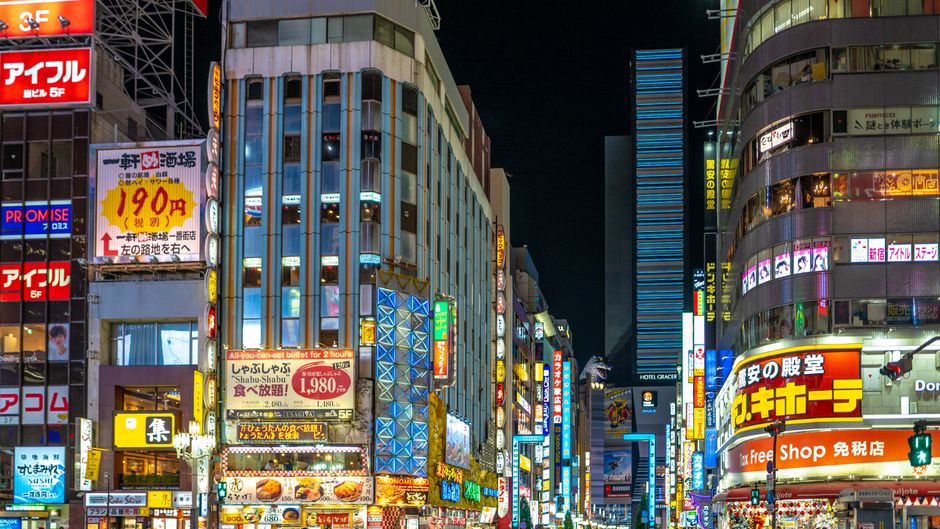
Tokyo's metropolitan government confirmed this spring that it had removed more than 340,000 duplicate images from the official Tokyo Tourism portal and the linked Open City Data Repository — a figure that puts it ahead of Seoul and Singapore in raw volume of records cleaned, but still well behind Amsterdam and London in the percentage of its total database cleared.
The timing matters. With inbound tourism to Japan running at record pace — the Japan Tourism Agency reported in early 2026 that Tokyo received more foreign visitors in the first quarter than in any comparable period since records began — the city's digital infrastructure is under strain it was never designed to handle. Hotel booking platforms, ward-level event listings and the metropolitan government's own multilingual apps are all drawing from overlapping image libraries, creating a tangle of redundant files that slow load times, inflate cloud storage costs and occasionally surface outdated photographs of venues that have been demolished or renovated.
The practical consequences are visible. A visitor searching for Toyosu Market on the official Tokyo Metropolitan Government tourism site in late May could still pull up images of the old Tsukiji inner market wholesale floor, closed to traders since 2018. In Shinjuku Ward, the Omoide Yokocho alley near the west exit has been represented by at least four near-identical night shots that have circulated unmodified through the city's digital assets since roughly 2019.
The metropolitan government's current effort is being run through the Tokyo Smart City Promotion Division, which sits inside the Bureau of General Affairs in the Shinjuku ward offices cluster on Nishi-Shinjuku. The division began a formal deduplication audit in October 2025, contracting a domestic IT firm to apply perceptual hashing — a technique that identifies visually similar images even when file names or metadata differ. The contract, according to procurement documents on the Tokyo Metropolitan Government website, was valued at approximately ¥87 million.
Seoul's Digital Mayor's Office began a comparable audit earlier, launching its Smart Seoul Data Hub image review in April 2024. City-level officials there have spoken publicly about clearing roughly 60 percent of redundant files from the hub's public-facing tourism and civic directories within 18 months. London's City Hall, through its London Datastore programme, adopted automated deduplication tools as early as 2022 and now publishes quarterly data-quality reports that count duplicate removal as a headline metric. Tokyo does not yet publish equivalent transparency reports, though the Smart City Promotion Division has indicated that a public dashboard is under development.
Singapore's Urban Redevelopment Authority integrated deduplication workflows directly into its GovTech image pipeline in 2023, meaning duplicates are flagged at the point of upload rather than cleaned retrospectively. That upstream approach is considered the current global benchmark by digital governance researchers and is the model Tokyo's division has said it wants to replicate by the end of fiscal year 2027.
For residents, the immediate effect of the current audit is limited but real. Ward-level websites in Minato and Shibuya — two of the wards with the heaviest tourism content loads — are expected to see updated image libraries by September 2026, based on the division's published project timeline. The Tokyo Metropolitan Government's main multilingual visitor portal, accessible at metro.tokyo.lg.jp, is scheduled for a full content refresh in the October-December quarter.
Businesses that rely on the city's freely licensed image libraries — small hotels in Asakusa, event organisers in Koenji, restaurant guides covering the Yanaka neighbourhood — should audit any images they have downloaded and reused from official sources before the refresh goes live. Files that have been flagged as duplicates in the backend will not necessarily be removed from third-party sites automatically.
The broader challenge is governance, not technology. Tokyo's data sits across at least a dozen separate bureau-level systems that were built at different times and do not share a common taxonomy. Until those systems talk to each other, any deduplication exercise will remain a periodic cleanup rather than an ongoing discipline — which is precisely where London and Singapore currently have the structural advantage.
How does this story make you feel?
Spread the word
About this article
Published by The Daily Tokyo
Daily brief
Free, in your inbox before 7am. Weekdays.
More in News