Tokyo's Property Listings Hit by Duplicate Image Crisis: What Happened This Week
A surge in recycled and mismatched property photos is undermining buyer trust across Tokyo's overheated housing market, and platforms are now scrambling to respond.
A surge in recycled and mismatched property photos is undermining buyer trust across Tokyo's overheated housing market, and platforms are now scrambling to respond.
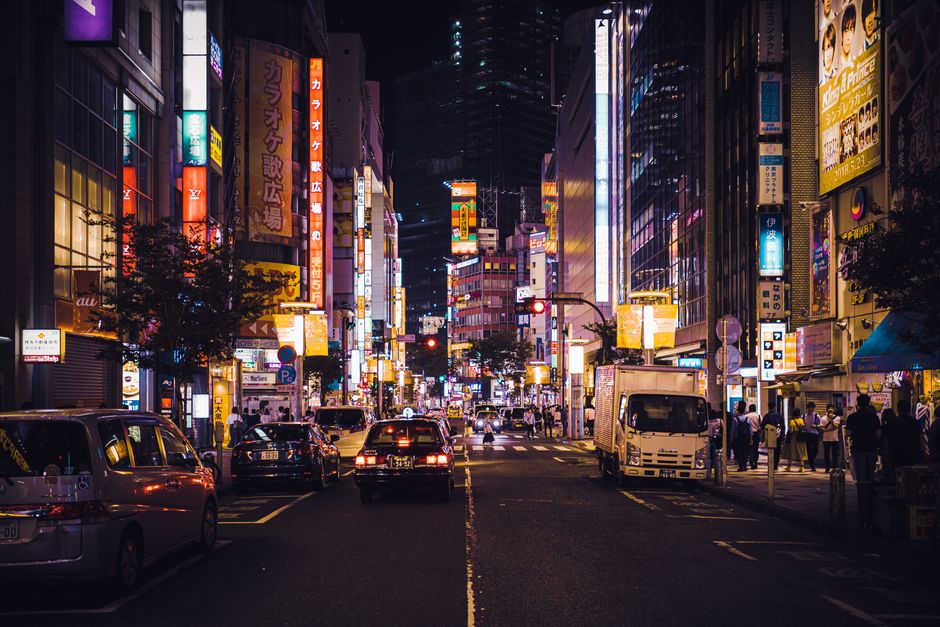
Real estate portals serving Tokyo's central wards reported a marked spike this week in complaints about duplicate and misattributed listing images, with aggregators including SUUMO and HOME'S separately acknowledging the problem after user forums lit up with examples. The issue — photographs from one Shibuya or Shinjuku property appearing on listings for entirely different units in Koto or Edogawa wards — has exposed a systemic gap in how platforms verify the photo assets uploaded by individual agencies.
The timing is punishing. Central Tokyo's rental vacancy rate has tightened sharply over the past eighteen months as inbound tourism and corporate relocation demand push rents in Minato and Chuo wards to levels not seen since the late 1980s bubble era. Buyers and renters are making fast, sometimes remote decisions — and a listing photograph that misrepresents a unit's floor plan, view or interior finish can translate directly into a signed contract on a property that looks nothing like what was advertised.
The immediate trigger appears to have been a bulk import of archived listing data from several mid-size agencies that consolidated operations in late June 2026. When older listing records were migrated into shared databases, image metadata was stripped, leaving photos unlinked from their original property IDs. SUUMO's public support page listed duplicate-image complaints as its top reported issue category as of July 2, 2026 — an unusual disclosure for a platform that typically bundles such feedback into general quality reports.
Tokyo's Fair Trade in Real Estate Transactions guidelines, administered under the Ministry of Land, Infrastructure, Transport and Tourism, require that listing photographs accurately represent the specific unit on offer. Penalties for non-compliance exist but have historically focused on written copy rather than visual assets, which is partly why photo verification has lagged behind text moderation on major platforms. The Real Estate Companies Association of Japan, headquartered in Chiyoda ward, told its member agencies this week to audit uploaded image libraries before the weekend, according to a notice circulating in industry channels — though the content of that notice has not been publicly released in full.
Agents working the Jiyugaoka and Nakameguro corridors in Meguro ward — two neighbourhoods where buyer competition is particularly fierce — said the practical consequence has been a rise in last-minute walkthrough cancellations when prospective tenants arrive and find the property does not match the photos. One agency on Yamate-dori reportedly processed four such cancellations in a single morning on July 3.
Both SUUMO and HOME'S are understood to be accelerating rollout of automated image-hash detection tools that can flag when the same photograph appears across multiple listings with different property codes. Image-hash matching of this kind has been standard on major e-commerce platforms — Rakuten Ichiba deployed comparable tools for product listings in 2022 — but its adoption in real estate databases has been slow, partly because of the sheer volume of legacy photo data held by agencies.
The Tokyo Metropolitan Government's housing bureau has not announced a formal inquiry, but officials within the Koike administration have previously flagged digital transparency in property transactions as a policy priority tied to the city's broader smart-city agenda. The metropolitan government's 2025 housing white paper identified listing accuracy as a factor in consumer protection for renters, a demographic that now includes a growing cohort of foreign residents arriving under liberalised visa categories.
For anyone currently searching for property in Tokyo — particularly in high-turnover areas like Shin-Kiba, Tatsumi or the reclaimed island districts of Koto ward — the practical advice from industry observers is straightforward: request time-stamped original photographs directly from the listing agency before committing to a viewing, and cross-reference unit layout against the registered floor plan held at the relevant ward office. Those documents are public record and available without charge. Platforms are expected to push updated verification protocols before the Obon holiday period in August, when listing volumes traditionally spike again.
How does this story make you feel?
Spread the word
About this article
Published by The Daily Tokyo
Daily brief
Free, in your inbox before 7am. Weekdays.
More in News