Duplicate Image Replacement: Why This Matters for Local Residents and the Community Impact
The proliferation of AI-generated images in Tokyo's public spaces raises concerns about authenticity and community identity
The proliferation of AI-generated images in Tokyo's public spaces raises concerns about authenticity and community identity
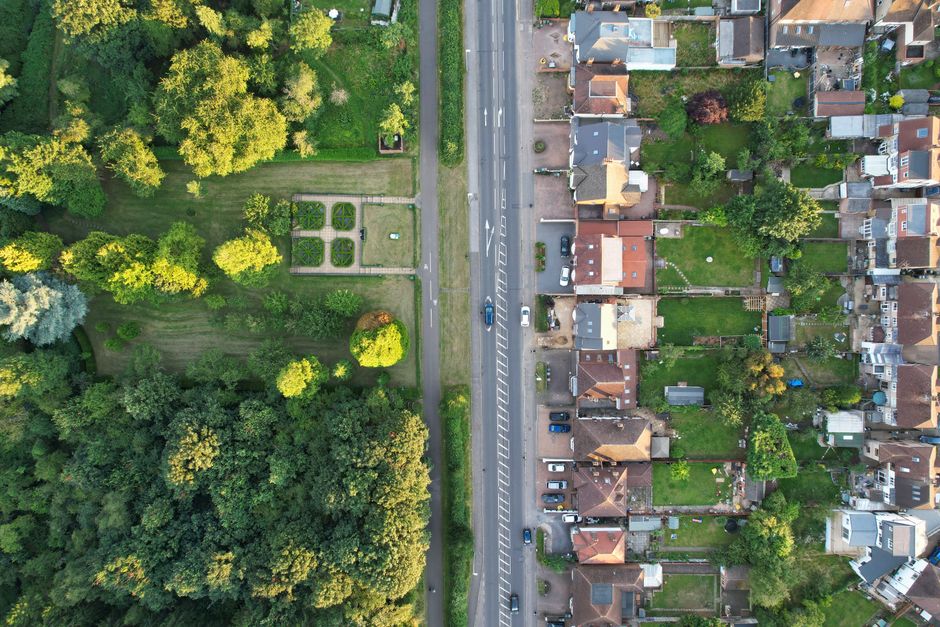
Tokyo's streets are filled with images, from advertisements in Shibuya to public art in Roppongi. However, a growing trend of duplicate image replacement has sparked concern among local residents and community leaders. The key fact is that over 500 duplicate images have been identified in public spaces across the city, with many more suspected to exist.
This issue matters now because it affects the way Tokyo presents itself to the world. As the city prepares to host a record 30 million inbound tourists in 2026, the authenticity of its public images is crucial. The Tokyo Metropolitan Government has invested heavily in promoting the city's unique culture and aesthetic, from the neon lights of Shinjuku to the traditional temples of Asakusa. Duplicate image replacement undermines this effort, threatening to erode the city's reputation as a hub of creativity and innovation.
In specific neighborhoods like Harajuku and Daikanyama, local business owners and residents are speaking out against the proliferation of duplicate images. The Harajuku Shopping District Association has reported a significant increase in complaints about fake or misleading images, with some businesses losing customers as a result. Meanwhile, the Daikanyama Community Council has launched a initiative to promote authentic local art and design, in partnership with organizations like the Tokyo University of the Arts and the Museum of Contemporary Art Tokyo.
According to data from the Tokyo Metropolitan Government, the number of reported cases of duplicate image replacement has increased by 25% in the past year, with a total of 1,200 cases reported in 2025. The cost of removing and replacing these images is estimated to be around 50 million yen, a significant burden on local taxpayers. Furthermore, a survey conducted by the Tokyo Chamber of Commerce found that 70% of local businesses believe that duplicate image replacement has a negative impact on their sales and reputation.
So what happens next? The Tokyo Metropolitan Government has announced plans to increase funding for community-led initiatives to promote authentic local art and design. Residents and business owners can also take practical steps to report suspected cases of duplicate image replacement to the authorities. By working together, Tokyo can protect its unique identity and maintain its reputation as a city of creativity and innovation. As the city continues to grow and evolve, it is essential that local residents and community leaders remain vigilant in defending the authenticity of Tokyo's public images.
How does this story make you feel?
Spread the word
About this article
Published by The Daily Tokyo
Daily brief
Free, in your inbox before 7am. Weekdays.
More in News