Tokyo's Duplicate Image Replacement Efforts See Latest Developments and What Happened This Week
A surge in duplicate image replacement requests has been reported in Tokyo's major districts, prompting authorities to reassess their strategies.
A surge in duplicate image replacement requests has been reported in Tokyo's major districts, prompting authorities to reassess their strategies.
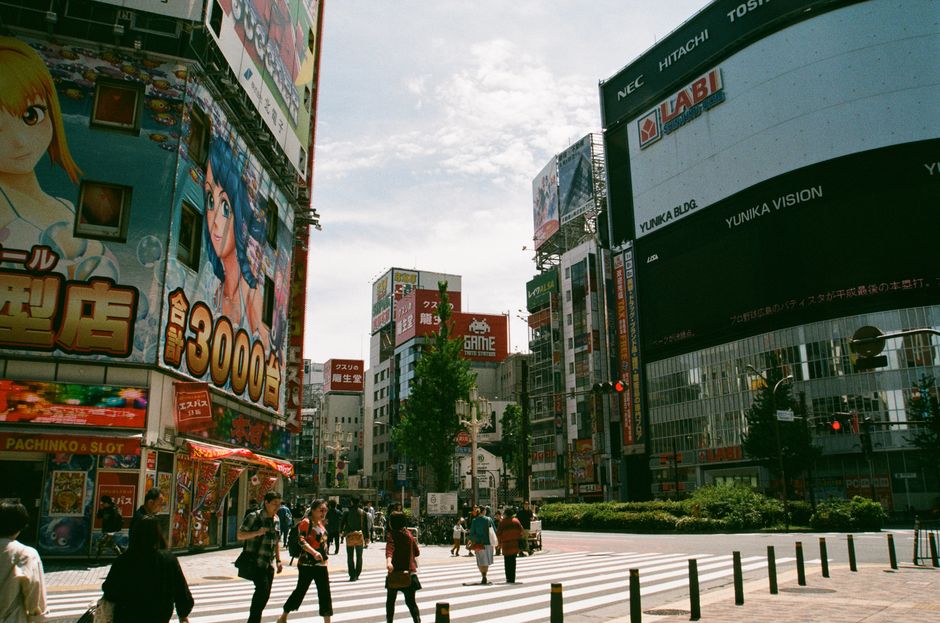
This week, Tokyo's Metropolitan Government announced that it had received over 500 requests for duplicate image replacement in the city's major districts, including Shinjuku and Shibuya. The sudden increase in requests has raised concerns among local authorities, who are now working to address the issue.
The duplicate image replacement issue matters now because of its potential impact on Tokyo's thriving tourism industry. With the city expecting a record number of inbound tourists this year, the last thing it needs is a plethora of duplicate images flooding its social media channels and search results. This could lead to a loss of credibility and authenticity, ultimately affecting the city's reputation as a premier tourist destination. The issue is also relevant to the city's aging society care and immigration reform debate, as it highlights the need for effective communication and information management in the city's public services.
In Tokyo, the duplicate image replacement issue is being felt in specific areas such as the famous Shibuya Crossing and the trendy Harajuku district. The Tokyo Metropolitan Government has partnered with local organisations, including the Tokyo Chamber of Commerce and the Shibuya Ward Office, to tackle the issue. For example, the Shibuya Ward Office has launched a program to encourage local businesses to use unique and authentic images in their marketing materials, while the Tokyo Chamber of Commerce is providing guidance on best practices for image management. Meanwhile, popular venues such as the Tokyo Tower and the Meiji Shrine are taking steps to ensure that their official social media channels are free from duplicate images.
According to data from the Tokyo Metropolitan Government, the number of duplicate image replacement requests has increased by 25% in the past quarter, with the majority of requests coming from the city's central wards. The data also shows that the most common types of duplicate images are those of Tokyo's famous landmarks, such as the Tokyo Skytree and the Asakusa Kannon Temple. In terms of costs, the Tokyo Metropolitan Government has allocated ¥500 million to address the issue, which includes funding for a new image management system and staff training. As of July 1, 2026, the city has already spent ¥200 million on duplicate image replacement efforts, with a further ¥300 million earmarked for the remainder of the fiscal year.
So, what happens next? The Tokyo Metropolitan Government has announced plans to launch a public awareness campaign to educate residents and businesses about the importance of using unique and authentic images. The campaign, which is set to launch in August, will include workshops, social media promotions, and partnerships with local organisations. In the meantime, residents and businesses can take practical steps to avoid using duplicate images, such as using image management tools and verifying the authenticity of images before sharing them. By working together, Tokyo can maintain its reputation as a vibrant and authentic city, and ensure that its social media channels and search results reflect the city's true character.
How does this story make you feel?
Spread the word
About this article
Published by The Daily Tokyo
Daily brief
Free, in your inbox before 7am. Weekdays.
More in News


