news
Tokyo Officials Battle Costly Duplicate Photos in Digital Archives
As the metropolitan government and cultural institutions push deeper into digitisation, the problem of duplicate images is proving costlier and more complicated than anyone anticipated.
How we reported this
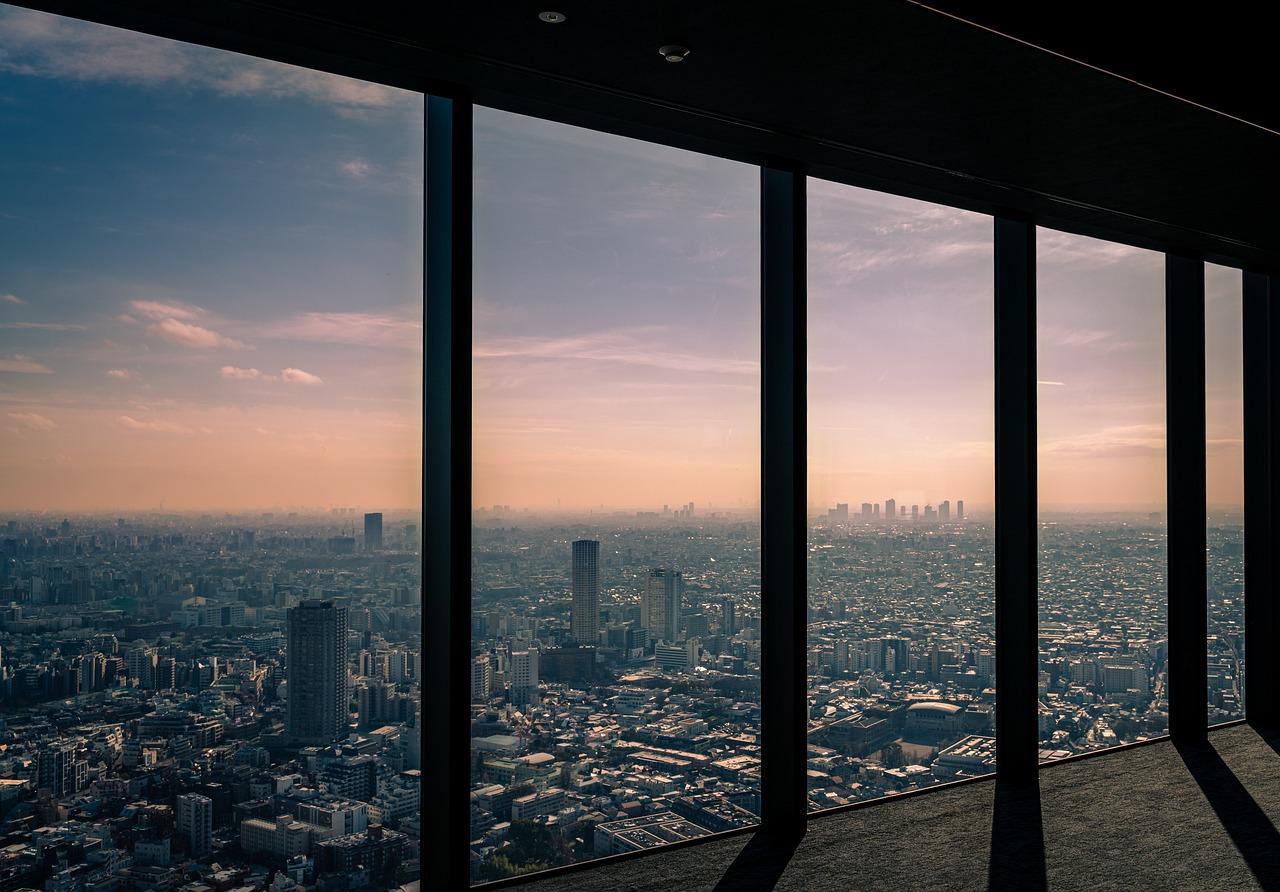
Tokyo's public digital archives contain tens of thousands of duplicate images, scanned photographs, promotional materials and historical records that have been uploaded multiple times across different municipal systems, and specialists say the cleanup bill could run into hundreds of millions of yen if institutions don't act quickly. The issue surfaced formally this spring when the Tokyo Metropolitan Archives, based in Ichigaya, Shinjuku Ward, completed an internal audit of its digitised holdings and identified systemic duplication across at least four separate database platforms.
The timing matters. The metropolitan government has committed to a sweeping overhaul of its digital infrastructure under the Tokyo Digital Twin initiative, a programme that aims to integrate city data across departments by fiscal year 2028. Duplicate image records don't just waste storage, they corrupt metadata, skew search results and, in the case of licensed historical photographs, create potential intellectual-property complications. For a city pouring public funds into digital public services while simultaneously managing yen-weakness-driven budget pressures on imported cloud infrastructure, cleaning up the problem now is significantly cheaper than inheriting it later.
What Experts and Officials Are Saying
Specialists in digital asset management who work with Tokyo institutions say the root cause is not carelessness but structural: different wards, cultural bodies and metropolitan departments digitised their holdings independently, often using incompatible systems, without a shared deduplication protocol. The National Diet Library in Nagatacho, which runs one of Japan's largest public image repositories, adopted automated hash-matching tools for its digital collections starting in 2022, and archivists point to that model as the standard Tokyo's ward-level institutions have not yet matched.
The Tokyo Metropolitan Museum of Photography in Ebisu, one of the city's primary custodians of photographic heritage, has acknowledged internally that cross-referencing its digital catalogue with external partner databases remains a manual process. Staff at institutions across the city describe a workflow in which images are scanned at source, uploaded to a departmental server and then separately submitted to a metropolitan aggregation platform, with no automatic check for prior existence. That means a single photograph can live in three or four places simultaneously under slightly different file names.
Researchers at Waseda University's Institute for Advanced Study of Mathematics and Computer Science have been studying deduplication at scale in Japanese public-sector archives and argue that perceptual hashing, software that detects visually identical images even when file formats or resolutions differ, could eliminate the bulk of duplicates in a matter of weeks if adopted citywide. The cost of licensing and implementing such tools across the metropolitan system is modest compared with ongoing storage costs: commercial cloud storage rates for Japanese government clients currently run roughly ¥2 to ¥4 per gigabyte per month, and the metropolitan archive alone holds an estimated 40 terabytes of image data.
The Path Forward, and Who Has to Move First
The Tokyo Metropolitan Government's Bureau of General Affairs, which oversees digital records policy, is expected to publish revised data-management guidelines before the end of the third quarter of 2026. Those guidelines are understood to include a mandate for uniform file-naming conventions and a phased rollout of deduplication checks for any newly uploaded image assets, though existing holdings are a harder problem that the guidelines may defer to individual institutions.
Ward governments are watching closely. In Sumida Ward, where a local initiative to digitise neighbourhood historical photographs launched in March 2025, administrators have already flagged that some images submitted by residents duplicated materials already held by the Tokyo Metropolitan Archives. That experience has made Sumida one of the more vocal advocates for a centralised deduplication clearinghouse before the metropolitan-wide integration deadline arrives.
For institutions that cannot wait for top-down guidance, archivists recommend beginning with their most recently digitised batches, typically the cleanest data, and working backwards. Free and open-source tools such as dupeGuru, already in use at several university libraries in the Kanto region, can handle initial screening before more sophisticated systems are procured. The longer institutions delay, the deeper the duplicate problem embeds itself into the metadata layer, and that, specialists warn, is the part that takes months to untangle, not weeks.