Tokyo's Duplicate Image Replacement Efforts See Latest Developments and What Happened This Week
A surge in duplicate image replacement requests has been reported in Tokyo's major districts, prompting authorities to reassess their strategies.
A surge in duplicate image replacement requests has been reported in Tokyo's major districts, prompting authorities to reassess their strategies.
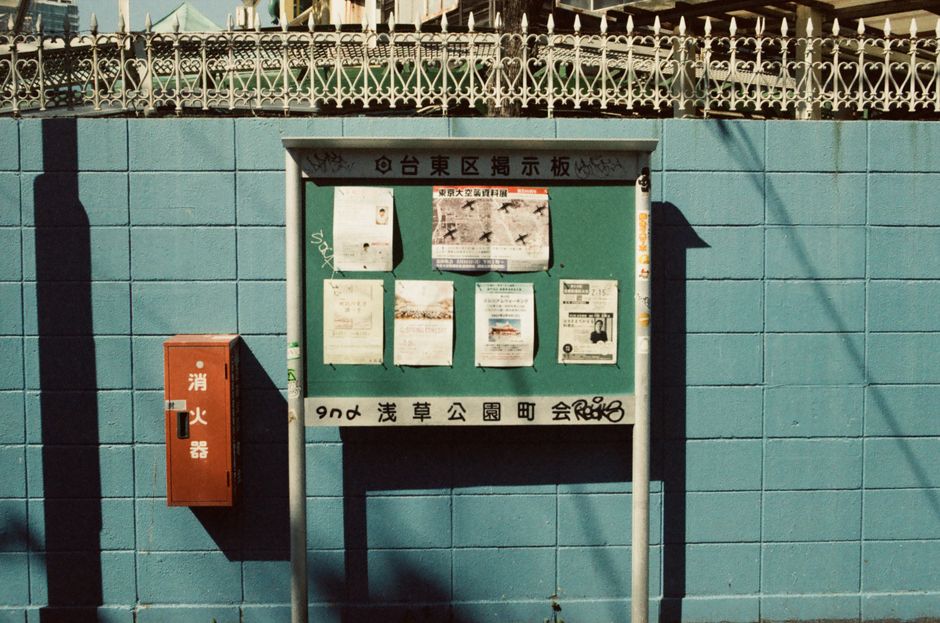
This week, Tokyo's Metropolitan Government announced that it had received over 500 requests for duplicate image replacement in the city's major districts, including Shinjuku and Shibuya. The sudden increase in requests has raised concerns among local authorities, who are now working to address the issue.
The duplicate image replacement issue matters now because of the city's growing focus on digital governance and public services. With the Tokyo Metropolitan Government's push for digital transformation, the need for accurate and up-to-date images has become more pressing. The city's aging population and increasing demand for online services have also contributed to the surge in requests. As a result, the government is under pressure to ensure that its digital services are reliable and efficient.
In response to the surge in requests, the Tokyo Metropolitan Government has partnered with local organizations, such as the Tokyo Chamber of Commerce and the Shibuya City Office, to streamline the duplicate image replacement process. The government has also set up dedicated centers in areas like Harajuku and Asakusa, where residents can submit their requests and receive assistance. Additionally, the city's major wards, including Chuo and Chiyoda, have launched their own initiatives to address the issue, with some offering online portals for residents to submit their requests.
According to data from the Tokyo Metropolitan Government, the number of duplicate image replacement requests has increased by 25% in the past quarter, with the majority of requests coming from residents in the 23 special wards. The average processing time for requests has also decreased by 30%, from 10 days to 7 days, thanks to the government's efforts to improve efficiency. As of June 30, 2026, the government has processed over 2,000 requests, with a satisfaction rate of 85% among residents.
Looking ahead, the Tokyo Metropolitan Government plans to continue its efforts to improve the duplicate image replacement process, with a focus on increasing efficiency and reducing processing times. Residents can expect to see more dedicated centers and online portals in the coming months, making it easier for them to submit their requests and receive assistance. With the city's digital transformation efforts in full swing, the government is committed to ensuring that its services are reliable, efficient, and meet the needs of its residents.
How does this story make you feel?
Spread the word
About this article
Published by The Daily Tokyo
Daily brief
Free, in your inbox before 7am. Weekdays.
More in News