news
Tokyo's Photo Archives Contain Thousands of Duplicates, Officials Warn
From ward offices in Shinjuku to the digital vaults of the Tokyo Metropolitan Government, duplicate image data is piling up, and the people responsible for managing it are starting to speak out.
How we reported this
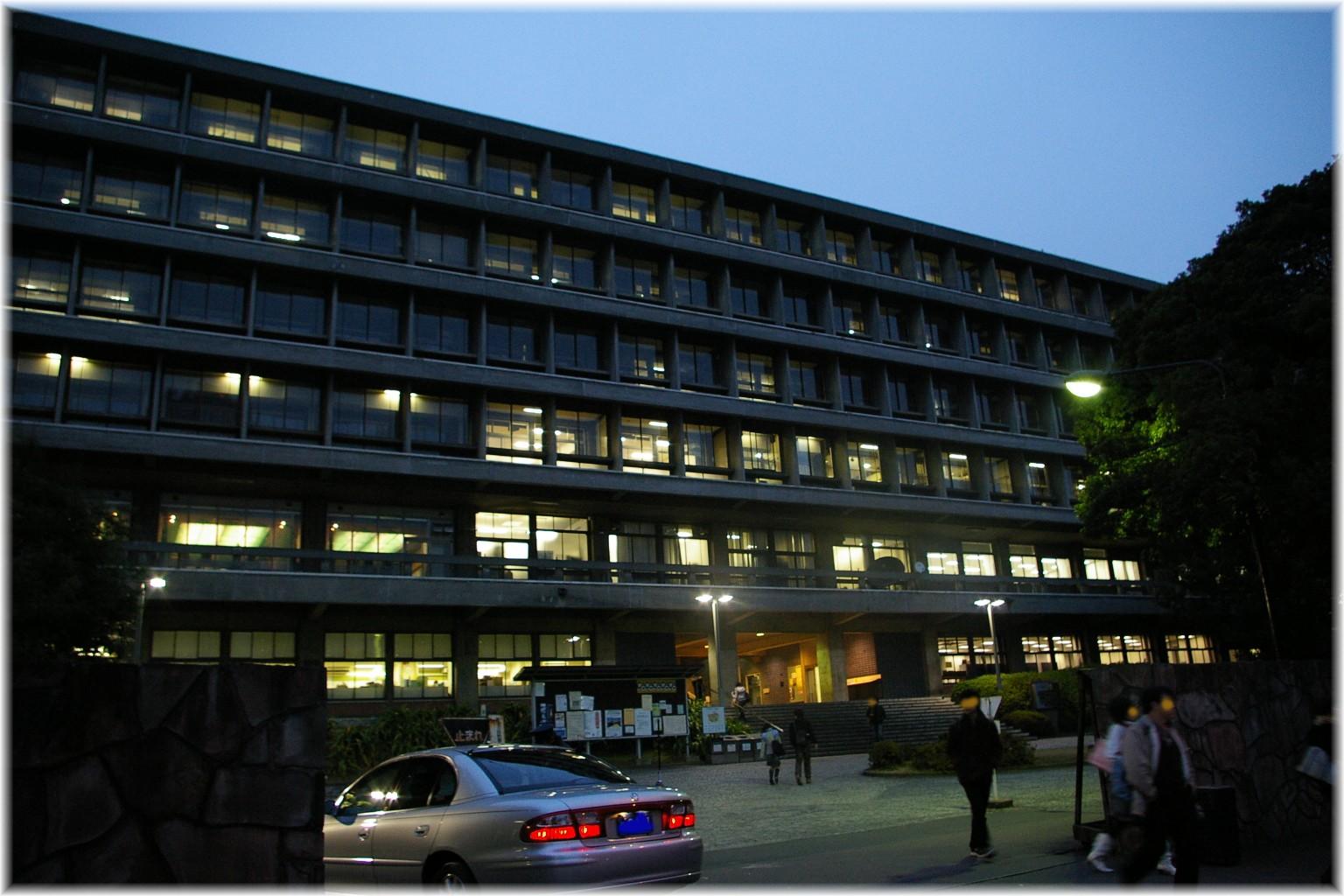
Duplicate images are choking Tokyo's public digital archives, and officials managing everything from tourism promotion databases to disaster-preparedness records say the problem has reached a point where it can no longer be ignored. The Tokyo Metropolitan Government's Bureau of General Affairs acknowledged in a public procurement notice dated June 2026 that it is seeking vendor solutions to audit and consolidate duplicated media assets across its internal systems, a signal that the scale of the issue has grown large enough to warrant dedicated budget allocation.
The timing matters. Tokyo is processing more digital visual content than at any point in its history. Inbound tourism hit record levels in 2025, pushing the Tokyo Tourism Foundation and ward-level promotional offices to generate thousands of new image assets annually. Simultaneously, the city's aging-society care infrastructure, particularly the network of community welfare centers (chiiki houkatsu shien sentaa) spread across wards like Adachi and Nerima, has been digitizing decades of paper records, photographs, and identification files. The result is layered, redundant archives that consume server capacity and slow retrieval times during emergencies.
What the Experts Are Saying
Digital asset management specialists in Japan have been pointing to the problem for several years, but the conversation has sharpened in 2026. Researchers at Keio University's Graduate School of Media Design in Yokohama have published work examining how municipal governments in the greater Kanto region handle visual metadata, noting that without standardized deduplication protocols, storage costs compound annually. The research does not name individual ward governments but describes systemic gaps in how public sector entities tag, store, and cross-reference image files.
The National Institute of Informatics, based in Hitotsubashi, Chiyoda Ward, has separately developed image-matching tools that it licenses to academic institutions but which have seen limited uptake in Tokyo's ward-level bureaucracies, partly due to procurement rules that favor established vendor relationships. Archive professionals who spoke at a March 2026 symposium organized by the Japan Society of Archivists in Bunkyo Ward flagged the same bottleneck: the technical solutions exist, but the administrative pipeline to adopt them inside Tokyo's 23 wards remains slow.
Tokyo Governor Koike Yuriko has made digital transformation a stated pillar of metropolitan policy since her previous terms, and the current administration has continued that emphasis through the Tokyo Digital Strategy, which earmarks funds for IT infrastructure upgrades. However, image deduplication has not appeared as a named line item in publicly available budget summaries for fiscal year 2026, meaning it is likely being absorbed under broader data management contracts rather than tracked as a standalone initiative.
Ground-Level Pressure From Shinjuku to Sumida
The practical friction shows up in specific places. The Shinjuku City Tourism and International Exchange Foundation, which produces multilingual promotional content for one of the busiest transit hubs in the world, manages a library of several thousand images covering everything from Kabukicho nightlife to the Shinjuku Gyoen cherry blossom season. Staff responsible for that library have described publicly, at industry events, the difficulty of preventing the same photograph from being uploaded, renamed, and stored multiple times across different campaign folders.
In Sumida Ward, home to the Tokyo Skytree and heavy foot traffic from domestic and international visitors, the ward's public affairs office has been consolidating event photography going back to the Skytree's 2012 opening. That archive alone runs to tens of thousands of files. The deduplication challenge is not unique to any one ward, but Sumida's case illustrates how a single landmark generates compounding image data over time.
Industry analysts estimate that enterprise-grade deduplication tools, the kind used by major media organizations and e-commerce platforms, typically reduce redundant image storage by between 30 and 60 percent in large, unmanaged archives. Applying that range to municipal contexts in Tokyo suggests meaningful savings in both storage costs and retrieval time, though no official figure for Tokyo's current duplicated-image volume has been made public.
For organizations managing visual archives in Tokyo, the practical advice circulating among digital records specialists is consistent: conduct a metadata audit before investing in new storage infrastructure, adopt consistent naming conventions at the point of file creation rather than attempting to clean up after the fact, and evaluate the NII's existing matching tools before commissioning custom builds. The Bureau of General Affairs procurement process, expected to conclude by autumn 2026, may set a template that smaller ward offices can follow.