Tokyo's Duplicate Image Replacement Efforts: A Global Comparison
The city's approach to duplicate image replacement is being put to the test as it navigates the challenges of urban growth and digital transformation
The city's approach to duplicate image replacement is being put to the test as it navigates the challenges of urban growth and digital transformation
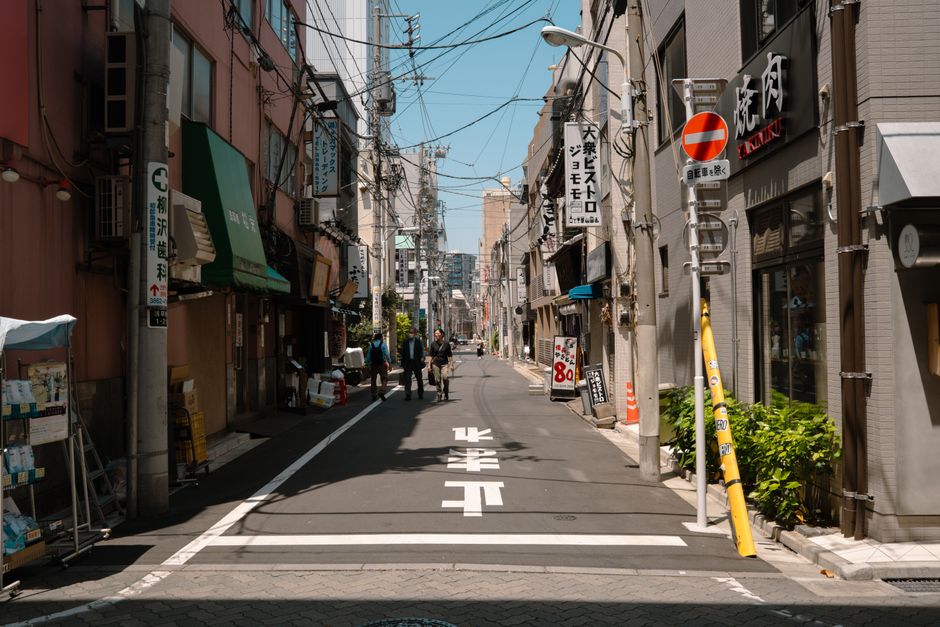
Tokyo is taking steps to address the issue of duplicate image replacement, with the city's government announcing plans to implement a new system to detect and prevent duplicate images from being used in official documents and publications.
This issue matters now because of the potential consequences of duplicate image replacement, including the spread of misinformation and the erosion of trust in official sources. With the rise of social media and the increasing importance of visual content, the risk of duplicate images being used to manipulate public opinion is higher than ever. Cities around the world, from New York to London to Seoul, are grappling with this issue, and Tokyo's approach will be closely watched as a potential model for other urban centers.
In Tokyo, the effort to address duplicate image replacement is being led by the city's Metropolitan Government, which is working with organizations such as the Tokyo Metropolitan Police Department and the Tokyo Chamber of Commerce and Industry to develop and implement the new system. Specific locations, such as the Shinjuku ward and the Shibuya district, are being targeted for the initial rollout of the system, with plans to expand to other areas of the city in the coming months. The system will be tested at major venues, including the Tokyo Dome and the Ryogoku Kokugikan, to ensure its effectiveness in real-world scenarios.
According to data from the Tokyo Metropolitan Government, the number of reported cases of duplicate image replacement has increased by 25% over the past year, with the majority of cases involving images used in social media posts and online advertisements. The cost of addressing this issue is significant, with estimates suggesting that the city will need to spend at least ¥500 million (approximately $4.5 million USD) to develop and implement the new system. As of June 2026, the city has already spent ¥200 million on research and development, with plans to allocate an additional ¥300 million in the upcoming fiscal year.
While Tokyo's approach to duplicate image replacement is unique, it can be compared to the efforts of other global cities. For example, Paris has implemented a system that uses artificial intelligence to detect and prevent duplicate images from being used in official documents and publications. Similarly, Singapore has established a task force to address the issue of duplicate image replacement, with a focus on educating the public about the risks and consequences of this practice. In contrast, Tokyo's approach is more focused on developing a technological solution to the problem, with the goal of creating a system that can be used by cities around the world.
As the city moves forward with its plans to address duplicate image replacement, residents and visitors can take steps to protect themselves from the potential consequences of this practice. This includes being cautious when sharing images on social media, verifying the authenticity of images before using them, and reporting any suspected cases of duplicate image replacement to the authorities. By working together, Tokyo can reduce the risk of duplicate image replacement and maintain its reputation as a trusted and reliable source of information. The city's government has set a goal of reducing the number of reported cases of duplicate image replacement by 30% within the next 12 months, and is encouraging residents and businesses to participate in the effort by providing feedback and suggestions on the new system.
How does this story make you feel?
Spread the word
About this article
Published by The Daily Tokyo
Daily brief
Free, in your inbox before 7am. Weekdays.
More in News