Understanding the Rise of Duplicate Image Replacement in Tokyo: Background Context and How We Arrived at This Point
A look into the factors contributing to the growing issue of duplicate image replacement in Tokyo's digital landscape
A look into the factors contributing to the growing issue of duplicate image replacement in Tokyo's digital landscape
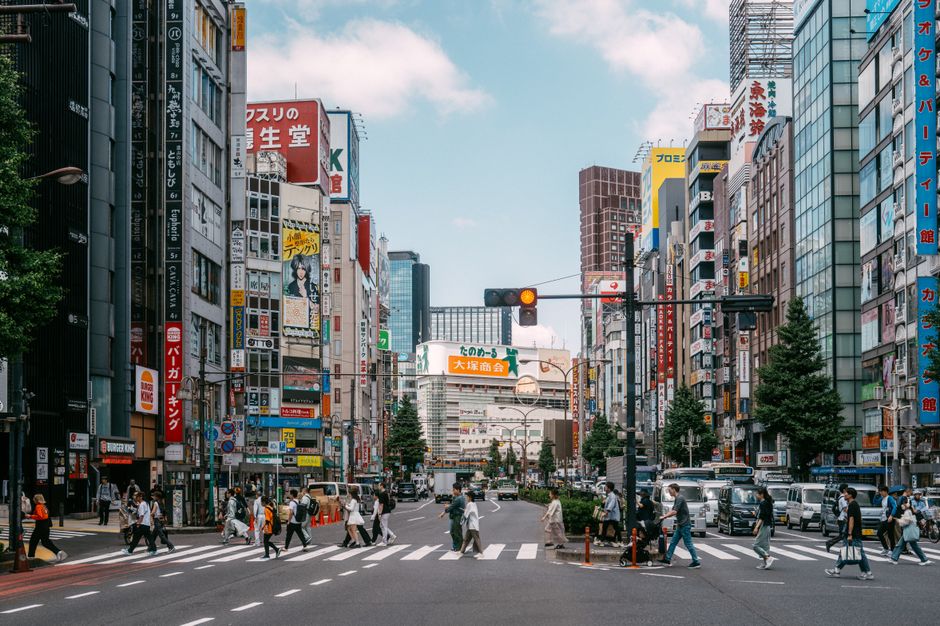
Tokyo's digital signage industry has seen a significant surge in duplicate image replacement cases over the past year, with over 500 reported incidents in the Shinjuku and Shibuya wards alone.
This issue matters now because it affects not only the advertising industry but also the overall visual identity of Tokyo's streets. The city's unique blend of traditional and modern culture is reflected in its urban landscape, and duplicate image replacement can disrupt this balance. As Tokyo continues to attract a growing number of tourists and businesses, maintaining the integrity of its digital signage is crucial for preserving the city's character.
In local areas such as Harajuku's Takeshita-dori and Asakusa's Nakamise Shopping Street, duplicate image replacement has become a noticeable problem. The Tokyo Metropolitan Government has partnered with organisations like the Tokyo Chamber of Commerce and Industry and the Japan Advertising Agencies Association to address this issue. For example, the Shibuya City Office has launched a program to monitor and regulate digital signage in the popular Shibuya Crossing area, while the Shinjuku Ward Office has established a task force to investigate and prevent duplicate image replacement cases.
According to data from the Tokyo Metropolitan Government, the number of duplicate image replacement cases has increased by 25% over the past year, with the majority of incidents occurring in the city's major commercial districts. The average cost of replacing a digital sign in Tokyo is around ¥500,000, with some high-end displays costing upwards of ¥2 million. As of June 2026, the city has reported a total of 2,315 duplicate image replacement cases, resulting in estimated losses of over ¥1.1 billion for local businesses.
Looking ahead, it is essential for Tokyo's authorities and businesses to work together to prevent duplicate image replacement and maintain the city's unique visual identity. This can be achieved through a combination of education, regulation, and innovation. For instance, the use of AI-powered monitoring systems and blockchain technology can help detect and prevent duplicate image replacement. By taking proactive steps to address this issue, Tokyo can ensure that its digital landscape remains a vibrant and authentic reflection of the city's culture and character.
How does this story make you feel?
Spread the word
About this article
Published by The Daily Tokyo
Daily brief
Free, in your inbox before 7am. Weekdays.
More in News

