Tokyo's Digital Image Replacement Dilemma: What Happens Next and the Key Decisions Ahead
As the city grapples with the consequences of duplicate image replacement, officials must weigh the impact on local businesses and residents
As the city grapples with the consequences of duplicate image replacement, officials must weigh the impact on local businesses and residents
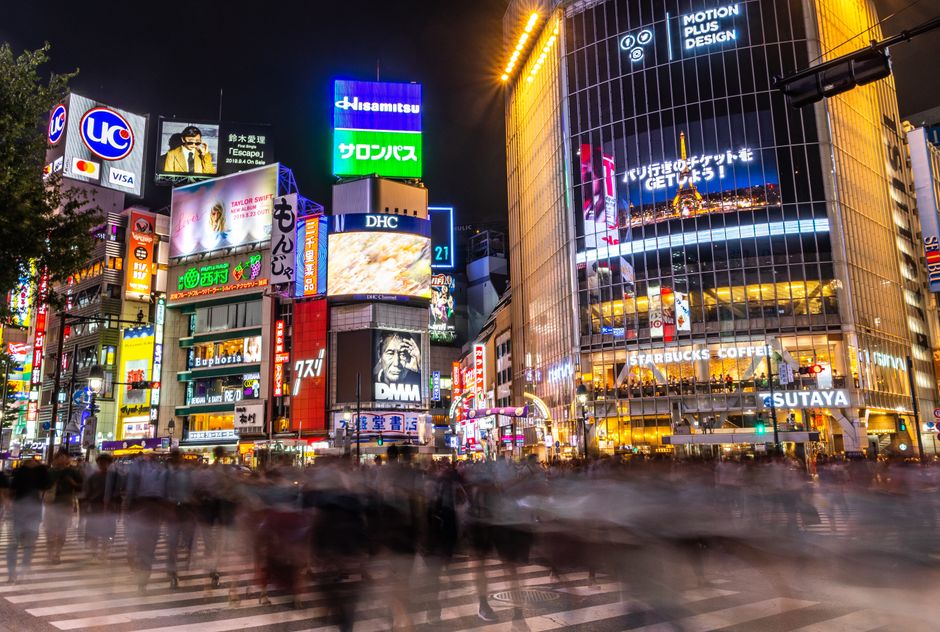
Tokyo's Metropolitan Government has announced plans to replace duplicate images in public datasets, a move that could affect over 10,000 images used in various city services.
This development matters now because the city is in the midst of a major overhaul of its digital infrastructure, with the goal of making public services more efficient and user-friendly. The duplicate image replacement effort is part of a broader initiative to streamline data management and reduce costs. With the city's aging population and increasing demand for digital services, the need for accurate and reliable data has become more pressing than ever. The Shinjuku and Shibuya wards, known for their high concentration of businesses and residents, will be among the first areas to be affected by the changes.
In local neighborhoods like Harajuku and Omotesando, small business owners are already feeling the impact of the city's digital transformation. The Tokyo Chamber of Commerce and Industry has launched a support program to help businesses adapt to the changes, including workshops and seminars on data management and digital marketing. Meanwhile, organizations like the Tokyo Metropolitan Foundation for History and Culture are working to ensure that the city's cultural heritage is preserved and made accessible through digital means. The foundation's efforts include the creation of a digital archive of historical images and documents, which will be hosted at the Tokyo Metropolitan Library in the Chiyoda ward.
According to data from the Tokyo Metropolitan Government, the city's digital services are used by over 70% of residents, with the most popular services being online applications for public housing and social services. The cost of maintaining and updating the city's digital infrastructure is estimated to be around 500 million yen per year, with the goal of reducing this cost by 20% through the duplicate image replacement effort. As of June 2026, the city has already replaced over 5,000 duplicate images, with a target of completing the project by the end of the fiscal year. The average cost of replacing a single image is around 10,000 yen, making the total cost of the project around 100 million yen.
So what happens next? The city will need to make key decisions about how to prioritize the replacement of duplicate images, with a focus on the most critical services and areas of high demand. Residents and businesses can expect to see changes to the city's digital services over the coming months, with the goal of improving efficiency and reducing costs. The city's digital transformation is a complex and ongoing process, but with careful planning and execution, Tokyo can emerge as a leader in digital governance and public services. The Tokyo Metropolitan Government has announced plans to hold public forums and workshops to gather feedback and input from residents and businesses, with the first forum scheduled to take place at the Tokyo International Forum in the Yurakucho district on August 15, 2026.
How does this story make you feel?
Spread the word
About this article
Published by The Daily Tokyo
Daily brief
Free, in your inbox before 7am. Weekdays.
More in News


