How Tokyo's Property Listings Got Buried Under Duplicate Photos — And Why It Took Years to Fix
A slow-burning problem in the capital's real estate data infrastructure is finally forcing platforms, agencies and city planners to act.
A slow-burning problem in the capital's real estate data infrastructure is finally forcing platforms, agencies and city planners to act.
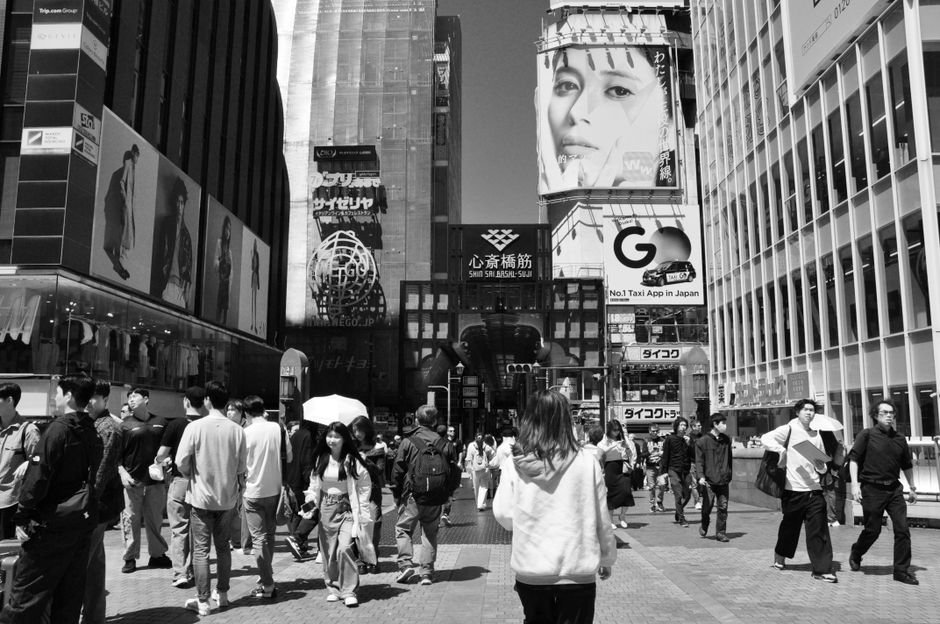
Tokyo's housing market has a visibility problem. Thousands of property listings across the city's major real estate portals carry duplicate, recycled or mismatched photographs — stock images reused across multiple buildings, or photos from previous tenancies attached to current vacancies — and the scale of the issue has quietly undermined the reliability of platforms that millions of renters and buyers depend on every year.
The problem matters now because demand has never been higher. Central ward rents in Minato-ku and Shibuya-ku have climbed sharply since 2023, driven partly by the inbound tourism surge that has converted rental stock into short-term accommodation, and partly by a sustained wave of foreign workers arriving under Japan's expanded specified skilled worker visa categories. With fewer units available and more people searching online, the accuracy of what listings actually show has become a practical, not merely aesthetic, concern.
The roots of the duplicate image crisis lie in the structure of Japan's real estate brokerage industry itself. Under the country's traditional brokerage model, the same property is routinely listed simultaneously by multiple agencies — a practice common across the city, from the dense agency clusters along Yamanote Line stations like Shinjuku and Gotanda to the smaller neighbourhood offices in Koenji and Kiyosumi-Shirakawa. Each agency uploads its own photo set, often sourced from the same original management company photograph, to platforms including SUUMO, HOME'S and AtHome. The result is dozens of nearly identical or outright copied image sets attached to listings that ostensibly represent different units.
The Real Estate Transaction Promotion Center, a ministry-affiliated body that oversees the REINS transaction database, has acknowledged the inconsistency in listing data quality in its annual review materials, though systematic enforcement of image standards has lagged behind the digital growth of the platforms themselves. REINS was established in 1994 and its data-sharing architecture was designed for an era of fax-transmitted floor plans, not high-resolution photography indexed by search algorithms.
A 2024 survey by the Japan Real Estate Institute found that image duplication or misrepresentation was cited as a concern by a significant share of Tokyo-based renters who had used online portals in the preceding 12 months — though the institute has not published a specific percentage in publicly available materials reviewed by this newspaper. What is documented: the Tokyo Metropolitan Government's 2025 Housing White Paper identified photo accuracy as one of several data quality issues affecting the city's residential listings ecosystem, listing it alongside unit size discrepancies and outdated floor plans.
Pressure has built from multiple directions. The Consumer Affairs Agency revised its guidelines on online real estate advertising in March 2025, strengthening requirements that listing photographs correspond to the actual current condition of a property. Separately, SUUMO's operator Recruit Holdings has been testing automated image-matching tools designed to flag duplicate photographs across listings on its platform — a process the company described in a February 2026 investor briefing as part of broader data quality investment, though specific implementation timelines were not detailed in materials available to this newspaper.
For renters navigating the market today, the practical advice is straightforward: treat online listing photographs as a starting point, not a guarantee. Request that any agency — whether you approach one near Nakameguro station or through a corporate relocation service operating out of Marunouchi — confirm that photographs are current and unit-specific before committing to an internal viewing. The Ministry of Land, Infrastructure, Transport and Tourism's standard rental agreement checklist, updated in 2023, includes a provision for confirming the date photographs were taken, a step that many prospective tenants skip entirely.
The broader fix — a standardised, platform-shared image registry tied to building registration numbers — has been discussed at the ministerial level but faces resistance from brokerage associations concerned about competitive transparency. Until that infrastructure exists, the gap between what Tokyo's housing market looks like online and what it looks like in person will remain wider than the city's ambitions for a digitally modern property sector would suggest.
How does this story make you feel?
Spread the word
About this article
Published by The Daily Tokyo
Daily brief
Free, in your inbox before 7am. Weekdays.
More in News


