news
Tokyo Real Estate Battles Fake Photos as Housing Demand Surges
A surge in inbound tourism and central-ward housing demand has exposed years of sloppy image management across Japan's real estate portals, pushing the industry toward long-overdue reform.
How we reported this
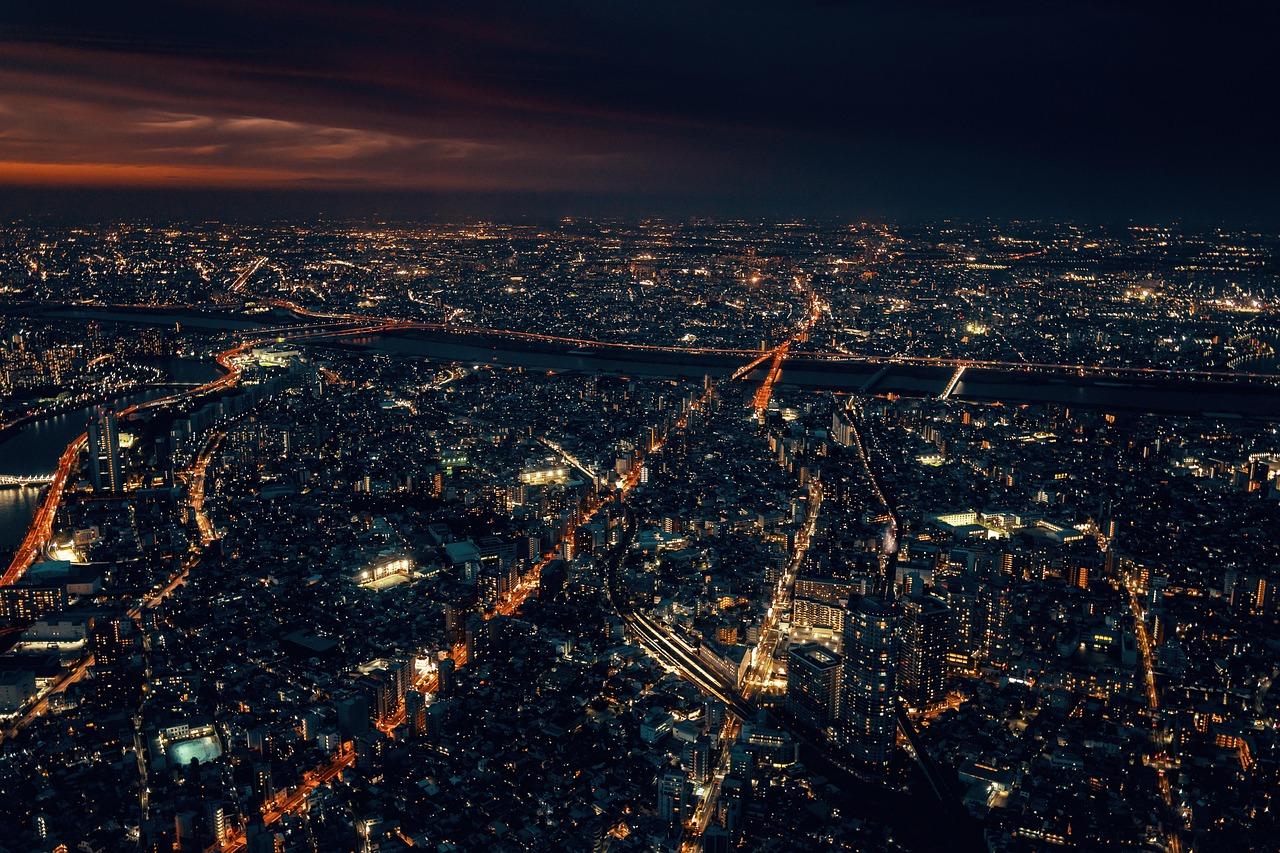
Japan's real estate listing industry is confronting a problem that has quietly compounded for over a decade: duplicate and recycled property photographs appearing across multiple listings, sometimes for units that have already been sold, rented, or demolished. The trigger forcing the issue into the open is the current housing crunch in Tokyo's central wards, where demand from inbound tourists seeking mid-term rentals and relocating workers has made accurate, trustworthy listings a matter of economic urgency.
The scale of the dysfunction is difficult to overstate. A single interior photograph shot in a Minato-ku apartment in 2019 can surface today on Suumo, LIFULL HOME'S, and at-home.co.jp simultaneously, attached to three different addresses. In some cases the same image has been traced to listings in Shibuya, Shinjuku, and Kōtō-ku within a single search session. Agents and property managers have long tolerated this as a minor administrative nuisance. The tourism and immigration pressures of 2025 and 2026 have made it something worse: a trust problem.
How the Duplication Problem Took Root
The roots go back to the early 2010s, when Japan's major real estate portals began competing aggressively for listing volume rather than listing quality. Agencies uploading properties to multiple platforms had little incentive to photograph each unit afresh. Stock images, recycled shots from previous tenants, and photographs borrowed from neighbouring units in the same building all entered the system. The portals, focused on page views and registered user counts, did not mandate unique image verification. By 2018, internal surveys cited by the Japan Real Estate Agents Association, the Fudōsankōtorihikigyōkyōkai, found image reuse was common practice across smaller regional agencies, though no binding standard was introduced at that stage.
The yen's prolonged weakness since 2022 accelerated the crisis in Tokyo specifically. With the yen trading well below 150 to the dollar through much of 2024 and into 2025, inbound visitors and foreign residents found Tokyo property relatively cheap by international standards. Platforms like Sakura House, which manages shared houses across Shinjuku and Nerima, reported sharply higher inquiry volumes from overseas applicants. Foreign inquirers making decisions remotely relied almost entirely on listing photographs. A recycled image wasn't a minor inconvenience, it was a potential fraud vector, or at minimum a reason to abandon a booking.
Tokyo's Response and the Path to Standardisation
Pressure built noticeably through 2025. The Tokyo Metropolitan Government's Bureau of Urban Development, operating under Governor Koike Yuriko's administration, flagged image duplication as part of a broader housing transparency initiative tied to the city's 2025 residential policy review. The bureau stopped short of mandating platform-level image hashing, but it recommended that agencies registered with Tokyo's real estate licensing system adopt timestamped photography with geolocation metadata attached. That recommendation, issued in late 2025, gave the larger portals political cover to begin enforcing stricter upload standards.
Suumo, operated by Recruit Holdings, began piloting an automated perceptual hash system across new listings in the Yamanote Line interior wards, Shibuya, Minato, Chiyoda, and Shinjuku, in the first quarter of 2026. The system flags images with more than a specified similarity threshold before a listing goes live, requiring the uploading agent to verify or replace the photograph. LIFULL HOME'S announced a comparable rollout for its Tokyo metropolitan listings by September 2026, according to the company's investor briefing published in April 2026.
The practical effect on individual agents has been friction and, in some quarters, resistance. Smaller agencies clustered around Koenji and Shimokitazawa, where independent landlords manage older wood-frame properties, have complained that the cost of professional re-photography falls disproportionately on them. A standard interior shoot by a commercial property photographer in Tokyo runs between ¥15,000 and ¥40,000 per unit depending on size and location, a meaningful expense for a landlord renting a single 1K apartment at ¥65,000 a month.
The pressure is unlikely to ease. With Tokyo's central-ward vacancy rates near historic lows and the national government pushing immigration reform that could add hundreds of thousands of new residents over the next five years, the audience for accurate digital listings will keep growing. Agencies that clean up their image libraries now will be better positioned when the portals' automated enforcement moves beyond the pilot wards. Those that wait may find their listings simply refused.