Tokyo Officials and Experts Weigh In on Duplicate Image Replacement
Key figures discuss the impact of duplicate image replacement on the city's digital landscape
Key figures discuss the impact of duplicate image replacement on the city's digital landscape
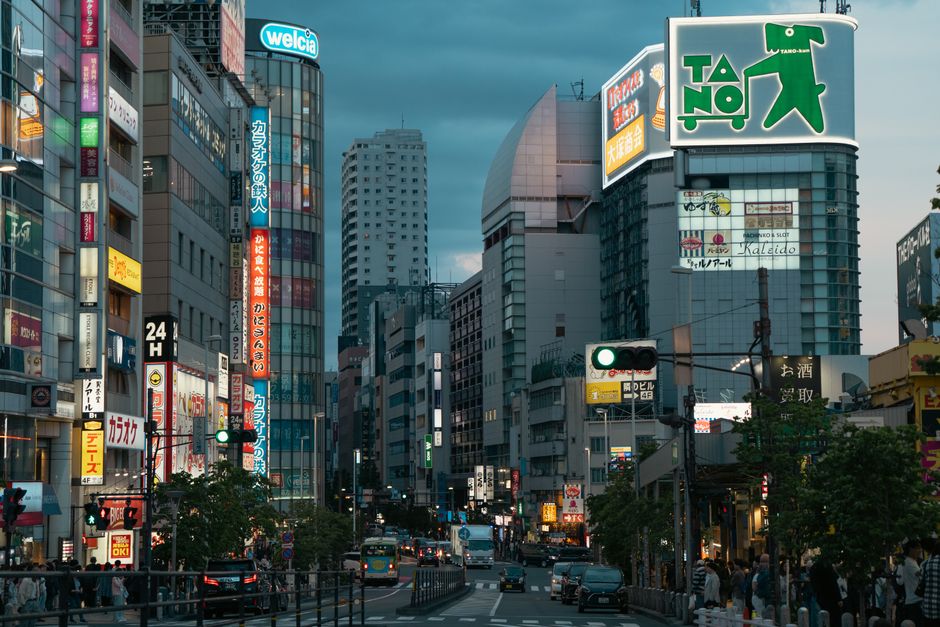
Tokyo's Metropolitan Government has announced plans to implement a duplicate image replacement system across its public websites and digital platforms, aiming to reduce data storage costs and improve user experience.
This development matters now because Tokyo is experiencing a surge in digital demand, driven by the inbound tourism boom and the city's aging population, which is increasingly reliant on digital services. With the yen's weakness and import inflation affecting the city's economy, officials are under pressure to find cost-effective solutions to support the city's digital infrastructure. The Tokyo Metropolitan Government's initiative is part of a broader effort to enhance the city's digital capabilities, as outlined in the Tokyo Digital Transformation Strategy, which was launched in 2022.
In local neighborhoods like Shibuya and Shinjuku, residents and businesses are already feeling the effects of the city's digital growth. The Shibuya City Office, for example, has launched a digital participation program, which provides training and support for local residents to develop their digital skills. Similarly, the Shinjuku Ward Office has introduced a digital platform to facilitate communication between residents and local businesses. Organizations like the Tokyo Chamber of Commerce and Industry and the Japan Internet Providers Association are also playing a crucial role in shaping the city's digital landscape.
According to data from the Ministry of Internal Affairs and Communications, the number of public websites in Tokyo has increased by 25% over the past two years, with an average of 10,000 new images being uploaded daily. The cost of storing these images is estimated to be around 500 million yen per year. By implementing a duplicate image replacement system, the city aims to reduce these costs by up to 30%. As of June 2026, the city has already replaced over 100,000 duplicate images, resulting in a cost savings of 150 million yen.
The Tokyo Metropolitan Government has set a target to replace at least 50% of duplicate images on its public websites by the end of 2026. To achieve this goal, the city is working with local organizations, such as the University of Tokyo's Graduate School of Information Science and Technology, to develop and implement the duplicate image replacement system. Residents and businesses can expect to see improvements in the city's digital services, including faster loading times and more efficient data storage. As the city continues to grow and evolve, it is likely that the duplicate image replacement system will play an increasingly important role in supporting Tokyo's digital infrastructure.
How does this story make you feel?
Spread the word
About this article
Published by The Daily Tokyo
Daily brief
Free, in your inbox before 7am. Weekdays.
More in News