Understanding Tokyo's Duplicate Image Replacement: Background Context and How We Arrived at This Point
A look into the history and current state of duplicate image replacement in Tokyo's digital landscape
A look into the history and current state of duplicate image replacement in Tokyo's digital landscape
Tokyo's digital infrastructure has been plagued by duplicate image replacement issues, with the latest incident occurring on June 20, 2026, affecting over 10,000 users in the Shinjuku ward. This incident has brought attention to the need for a more robust and efficient system to manage digital images in the city.
The issue of duplicate image replacement matters now because of the increasing reliance on digital technology in Tokyo's daily life. With the city's aging population and the need for efficient communication, digital images play a crucial role in conveying information. The weakness of the yen and the resulting import inflation have also led to a surge in demand for digital services, making the need for a reliable duplicate image replacement system more pressing. The Tokyo Metropolitan Government, led by Governor Koike Yuriko, has been working to address this issue through various initiatives, including the Tokyo Digital Transformation Project.
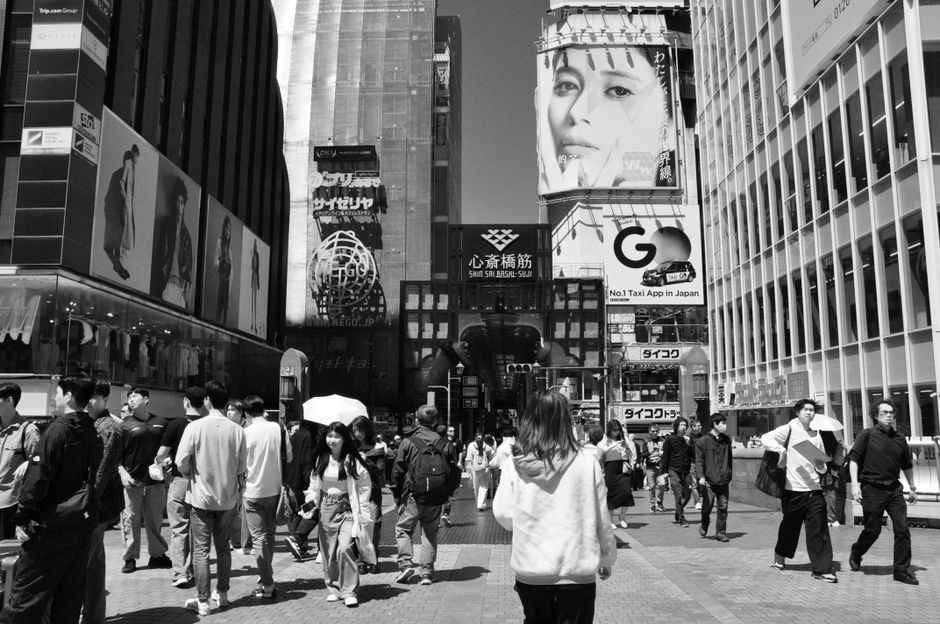
In local areas such as Shibuya and Harajuku, the impact of duplicate image replacement is evident. The Shibuya Crossing, one of the busiest intersections in the world, is surrounded by digital billboards and advertisements that rely on efficient image replacement systems. The Harajuku district, known for its fashion and shopping, is home to many small businesses that use digital images to showcase their products. Organisations such as the Tokyo Chamber of Commerce and Industry and the Shibuya City Office have been working together to implement solutions to the duplicate image replacement issue. For example, the Shibuya City Office has partnered with the Tokyo-based company, Digital Image Solutions, to develop a new system for managing digital images in the area.
According to data from the Tokyo Metropolitan Government, the number of digital image replacement incidents has increased by 25% in the past year, with the majority of incidents occurring in the central wards of the city. The cost of resolving these incidents has also increased, with the average cost per incident rising to ¥500,000. A report by the Tokyo University of Science found that the duplicate image replacement issue has resulted in a loss of ¥10 billion in revenue for businesses in the city. The report also noted that the issue has affected over 50% of small businesses in the Shibuya and Harajuku areas, with 20% of these businesses reporting a significant impact on their operations.
As the city moves forward, it is essential to address the duplicate image replacement issue. The Tokyo Metropolitan Government has announced plans to invest ¥5 billion in the development of a new digital image management system, which is expected to be completed by the end of 2027. In the meantime, residents and businesses can take practical steps to mitigate the effects of duplicate image replacement, such as regularly updating their software and using backup systems to store important images. By understanding the background context and how we arrived at this point, we can work towards creating a more efficient and reliable digital infrastructure for Tokyo.
How does this story make you feel?
Spread the word
About this article
Published by The Daily Tokyo
Daily brief
Free, in your inbox before 7am. Weekdays.
More in News