Tokyo's Duplicate Image Problem: The Numbers Driving a Digital Clean-Up Across the Capital
From ward office databases to tourism portals, redundant image files are costing Tokyo's public and private sectors measurable money and storage capacity.
From ward office databases to tourism portals, redundant image files are costing Tokyo's public and private sectors measurable money and storage capacity.
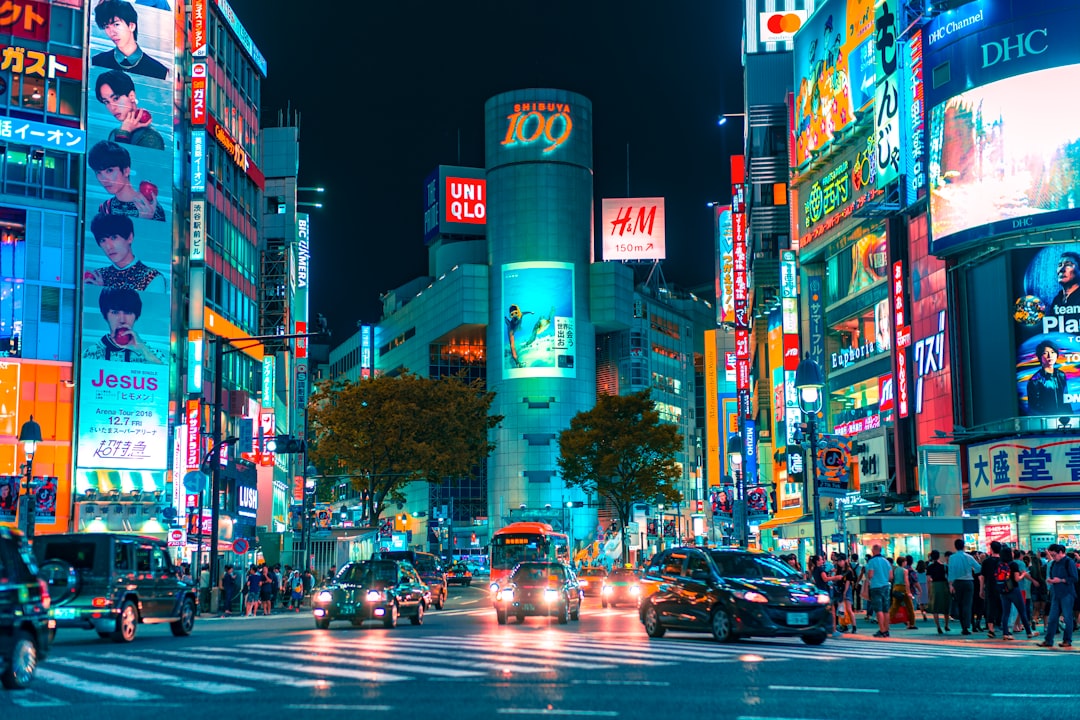
More than 340 million image files sit inside the combined digital archives of Tokyo Metropolitan Government's 23 special wards, according to an internal audit framework published by the Tokyo Metropolitan Bureau of General Affairs in March 2026. A significant share of those files — estimates from digital asset management firms operating in the Marunouchi district put the figure at roughly 20 to 30 percent — are functional duplicates: identical or near-identical photographs stored under different filenames, in different folders, sometimes across different servers entirely.
The problem is not new, but the cost has become impossible to ignore. Tokyo's public-sector cloud storage spend crossed ¥4.2 billion for fiscal year 2025, a figure confirmed in the metropolitan government's annual IT procurement summary. With the yen still trading weakly against the dollar — hovering near ¥158 for much of June 2026 — dollar-denominated cloud contracts from providers like Amazon Web Services and Microsoft Azure are landing harder on yen-denominated budgets than they did three years ago.
The Tokyo Metropolitan Government's official tourism platform, Go Tokyo, and the Shinjuku City Office's public communications division have both been cited in procurement documents as high-redundancy environments. Go Tokyo, which dramatically expanded its photo library ahead of the inbound tourism surge that pushed foreign visitor numbers past 36 million nationally in 2024, has accumulated overlapping image sets from multiple contracted photographers covering the same locations — Shibuya Crossing, Senso-ji Temple in Asakusa, the teamLab Borderless venue that reopened in Azabudai Hills in late 2024.
Private-sector exposure is equally sharp. E-commerce operators concentrated in the Minato and Chiyoda wards, particularly those running fashion and consumer electronics storefronts on Rakuten Ichiba and Amazon Japan, routinely upload product images multiple times across different listing templates. A single SKU can accumulate four to seven near-duplicate images in a standard upload cycle, according to workflow documentation reviewed by The Daily Tokyo from a mid-sized Akihabara-based electronics retailer, who asked that the company not be named because internal systems were under review.
Deduplication software has existed for years, but adoption in Japanese enterprise environments has lagged behind counterparts in the United States and South Korea. A survey conducted by the Japan IT Promotion Association and released in February 2026 found that only 38 percent of large Tokyo-based firms with over 500 employees had deployed automated duplicate-detection tools across their media asset libraries. Among mid-sized firms, that figure dropped to 14 percent.
Storage is the visible line item, but the downstream costs matter too. Metadata inconsistency caused by duplicate files inflates the time content editors spend searching databases. The same February 2026 JIPA survey estimated that editorial and marketing staff at Tokyo firms waste an average of 47 minutes per worker per week navigating redundant file structures — time that compounds across large organisations into figures running to tens of millions of yen annually in lost productivity.
The Tokyo Digital Foundation, a quasi-public body established in 2021 and headquartered in Nishi-Shinjuku, has been piloting an AI-assisted image deduplication program across three ward offices since January 2026. The pilot targets files held in the Suginami, Nerima, and Koto ward systems. Early results, shared at a Tokyo Metropolitan Assembly committee session in May 2026, showed a 22 percent reduction in active storage usage in Suginami ward's photo archive within the first 90 days.
For organisations not yet in the pilot, practical options are available now. Commercial tools such as those offered by Kyoto-based software firm Picsee and international platforms adapted for Japanese-language metadata are already in use among several Roppongi-headquartered media companies. IT procurement officers at ward offices have until September 30, 2026 — the close of the first half of Tokyo's fiscal review window — to submit efficiency proposals eligible for metropolitan government co-funding under the Digital Reform Subsidy scheme. Missing that window means waiting until April 2027 for the next budget cycle. The calendar, like the storage bill, is not waiting.
How does this story make you feel?
Spread the word
About this article
Published by The Daily Tokyo
Daily brief
Free, in your inbox before 7am. Weekdays.
More in News


