Nikko Day Trip From Tokyo: Complete 2026 Guide
Plan the perfect nikko day trip from tokyo with our insider guide covering train times, temples, seasonal highlights, and family-friendly activities for June 2026.
Plan the perfect nikko day trip from tokyo with our insider guide covering train times, temples, seasonal highlights, and family-friendly activities for June 2026.
A nikko day trip from tokyo ranks among Japan's most rewarding escapes, offering UNESCO World Heritage temples, stunning natural scenery, and mountain fresh air just two hours from the capital. Whether you're chasing spring's fiery foliage or summer's alpine cool, Nikko delivers experiences that justify the early morning train ride. This practical guide covers everything from transport logistics to hidden neighborhood gems that Tokyo day-trippers typically miss.
The Tobu Railway's Nikko Line departs Tokyo's Asakusa Station (the historic terminal in the Taito ward, not the modern Skytree station) directly to Nikko Station in approximately 120 minutes. Book tickets at the Asakusa Station ground floor ticket office or via the Tobu app—round-trip fares cost approximately ¥4,740 for standard reserved seating. Early departures (6:47 AM or 7:07 AM trains) optimize your day, allowing 6-7 hours in Nikko before returning around 7-8 PM.
The express Nikko or Kinugawa limited trains skip intermediate stations, reducing travel to 110 minutes. During June 2026, afternoon return trains between 5-7 PM fill quickly on weekends; reserve your return ticket immediately upon arrival at Nikko Station to avoid standing room only conditions.
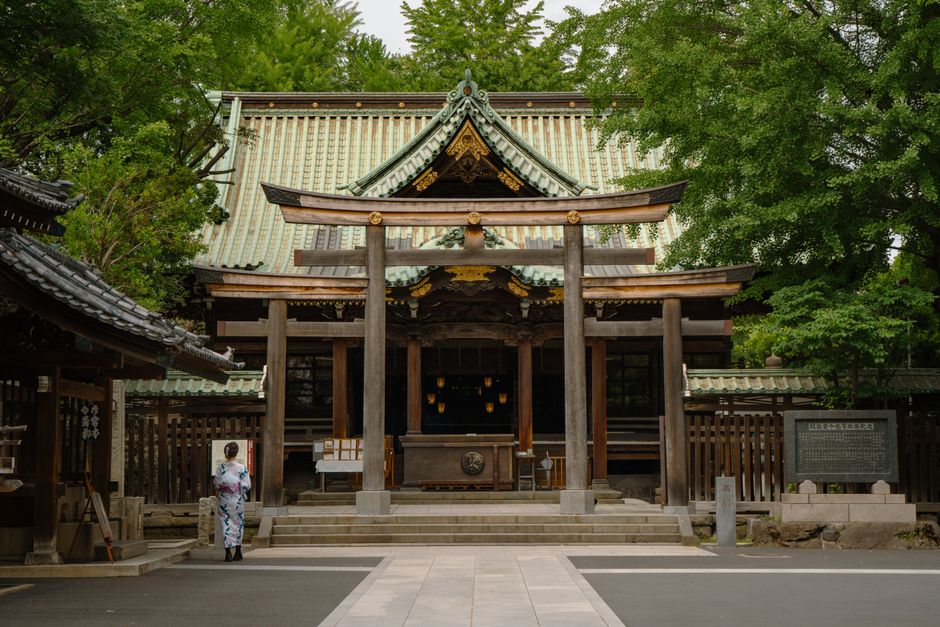
Tosho-gu Shrine (the ornate mausoleum of Tokugawa Ieyasu) remains Nikko's centerpiece. The entry gate stands 15-minute walk uphill from the station; alternatively, catch the local bus from the terminal's West Exit (¥500, 5 minutes). Admission costs ¥1,300 and includes grounds access. Arrive by 9 AM to beat domestic school groups and international tour buses.
The famous vermillion Yomei Gate showcases 5,000 hand-carved details. Photography enthusiasts should position themselves on the left side around 10:30 AM when angled sunlight hits the intricate lacquer work. The mausoleum itself lies beyond a steep stone staircase; family groups with young children (under age 5) may find the 200-step ascent challenging.
Taiyuin Mausoleum (Tokugawa Iemitsu's tomb) sits adjacent and often operates with shorter queues. The interior features gold leaf interiors rarely seen in Japanese religious architecture. Combined admission with Tosho-gu costs ¥2,100. June's humidity means lightweight clothing and insect repellent prove essential.
Nikko's geography extends far beyond shrines. Kegon Falls (Kegon-no-taki), one of Japan's three greatest waterfalls, plunges 97 meters into a misty gorge. The observation platform at Lake Chuzenji's south shore provides the classic viewpoint; in June, water volume peaks from snowmelt, creating dramatic spray reaching 50 meters. An observation elevator (¥300 additional) descends 100 meters for alternative perspectives.
Lake Chuzenji itself sits at 1,269-meter elevation, maintaining cooler temperatures than Tokyo. Mid-June average temperatures reach 18-22°C compared to Tokyo's 25-28°C. The scenic loop walk around the lake's eastern shore takes 3-4 hours; families prefer the shorter 45-minute path from the west marina to Shiraito Falls.
Yutaki Falls trail offers a less-crowded alternative (1-hour round trip, moderate difficulty). The trail departs from behind Ryuzu Falls parking area; directional signage exists only in Japanese, so request directions from the Nikko Tourist Information Center upon arrival.
The Nikko Tamozawa Imperial Villa Museum appeals to children through interactive exhibits explaining Meiji-era royal life. Admission costs ¥600; allow 60-90 minutes. The grounds feature landscaped gardens where children can safely explore without exhausting parents.
For dining, Yumoto-ya (traditional soba restaurant, 2-minute walk from Nikko Station East Exit) serves generous portions of tororo soba (mountain yam noodles) for ¥1,400. Expect 20-minute queues during peak hours (11 AM-1 PM). The restaurant accommodates strollers in the ground-floor seating area.
Nikko Reitaisai Festival traditionally occurs May 16-18, but mid-June features smaller shrine matsuri celebrations. Check the Nikko Tourism Bureau website in late May 2026 for specific June event calendars.
June represents Japan's tsuyu (rainy season). Pack waterproof jackets and consider lightweight ponchos; many shrine areas lack covered walkways. Humidity levels reach 75-80%; quick-dry clothing prevents discomfort during multi-hour walking.
June's advantage includes fewer crowds than May's peak season and July-August summer holidays. Trail conditions remain excellent before July's heavier rainfall. Insect repellent containing DEET proves necessary, particularly near waterfalls and forested paths where mosquitoes concentrate.
For continuously updated Tokyo day-trip recommendations, seasonal variations, and local insider knowledge perfect for your June 2026 Nikko adventure, subscribe to The Daily Tokyo newsletter. Our writers provide real-time updates on crowds, weather conditions, and cultural events that transform casual day trips into unforgettable experiences.
This article was compiled by AI and screened before publishing. See our editorial standards.
How does this story make you feel?
Spread the word
About this article
Published by The Daily Tokyo
Daily brief
Free, in your inbox before 7am. Weekdays.
More in Community