Politics
Tokyo Raises Sales Tax to Fund Flood Defenses in Eastern Wards
Tokyo residents in low-lying eastern wards could gain new pumping stations and barriers while property owners in western hills face higher annual tax bills under the proposed measure.
How we reported this
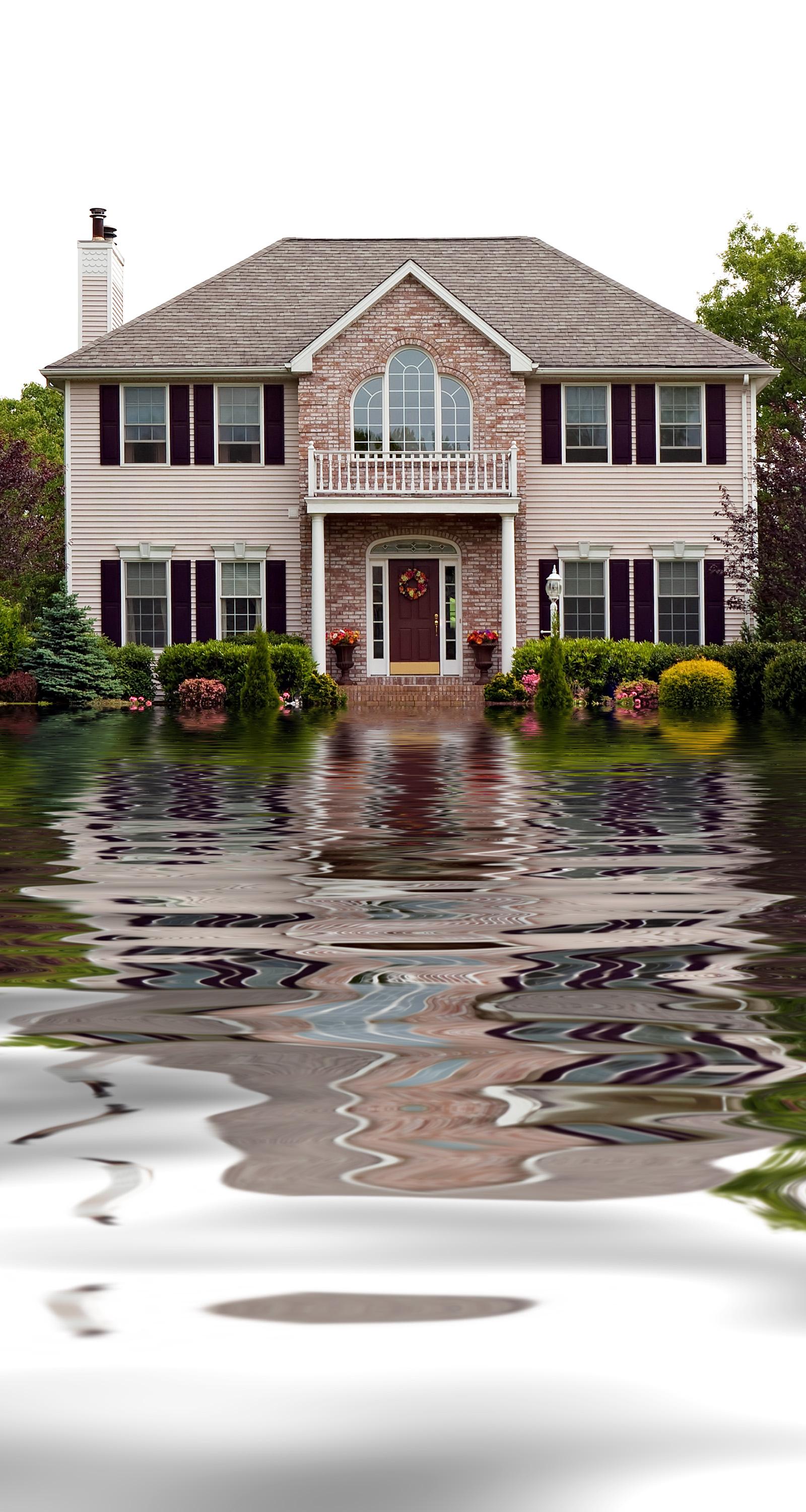
Tokyo voters face a September referendum on a one-percentage-point increase in the local consumption tax dedicated to flood-control infrastructure. The measure would raise an estimated 180 billion yen each year for pumps, levees and drainage upgrades in the 23 wards. Central and eastern districts stand to receive the largest share of projects while higher-income western areas contribute more revenue without immediate new facilities.
Why the vote arrives now
Heavy rainfall events have increased in frequency, with the Japan Meteorological Agency recording a 15 percent rise in days exceeding 50 millimetres of rain between 2015 and 2025. The Tokyo Metropolitan Government’s 2025 budget allocated 92 billion yen to existing flood works, leaving a shortfall identified in the March 2026 capital-improvement plan. The referendum language requires approval by a simple majority of votes cast in the special election scheduled for 20 September.
Policy analysts note that passage would lock the surcharge into the metropolitan tax code for ten years, with annual audits by the Board of Audit of Japan. Rejection would return the funding question to the Metropolitan Assembly, where competing proposals for general-revenue bonds have already been debated.
Daily effects for households and businesses
A household spending 400 000 yen monthly on taxable goods would pay roughly 4 800 yen extra per year. Convenience stores and restaurants in Sumida and Koto wards, which recorded 12 percent sales growth last fiscal year, would see the largest absolute tax remittance. In contrast, Setagaya and Suginami residents, where average property values exceed 45 million yen, would shoulder higher effective burdens through the tax base without new drainage lines scheduled until 2032.
Local advocates note that small manufacturers in Ota ward could qualify for rebates if they install on-site retention tanks, a provision written into the draft ordinance. Retirees on fixed incomes in public housing would receive no direct offset, though the legislation states that ward offices must publish annual lists of completed works.
The government says the policy will complete three major pumping stations in Edogawa and Katsushika by 2029 and extend the Sumida River barrier by 1.8 kilometres. If the measure fails, those projects remain in planning documents without dedicated revenue.
Ballots will be mailed to registered voters on 1 September, with in-person voting available at 1 248 polling stations. Final tallies are scheduled for release the evening of 20 September.