Tokyo's New Zoning Reforms Reshape Affordable Housing Supply Across Outer Wards
Planning rule changes in Suginami and Musashino aim to unlock mid-rise developments, but market timing raises questions about genuine affordability gains.
Planning rule changes in Suginami and Musashino aim to unlock mid-rise developments, but market timing raises questions about genuine affordability gains.
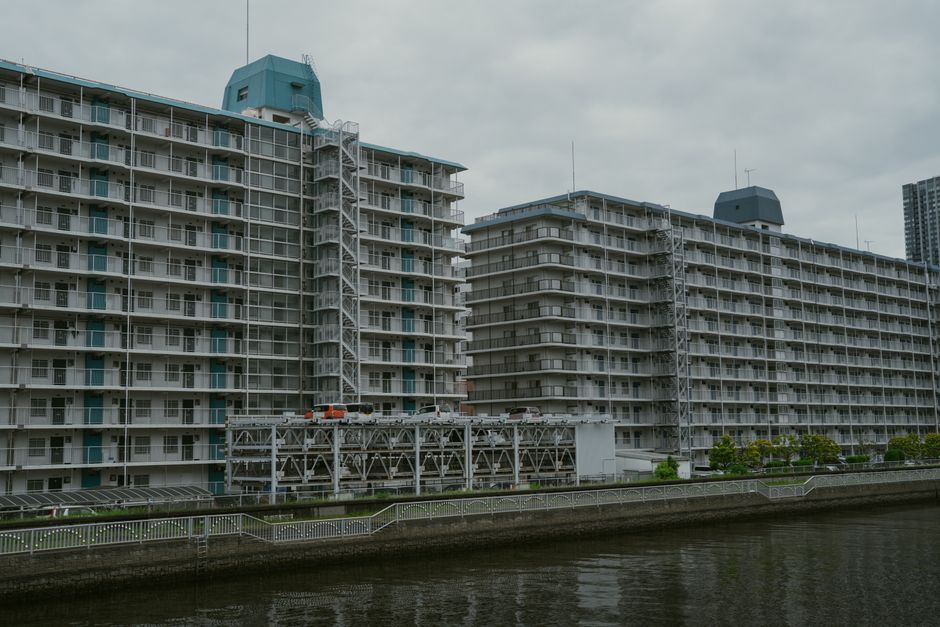
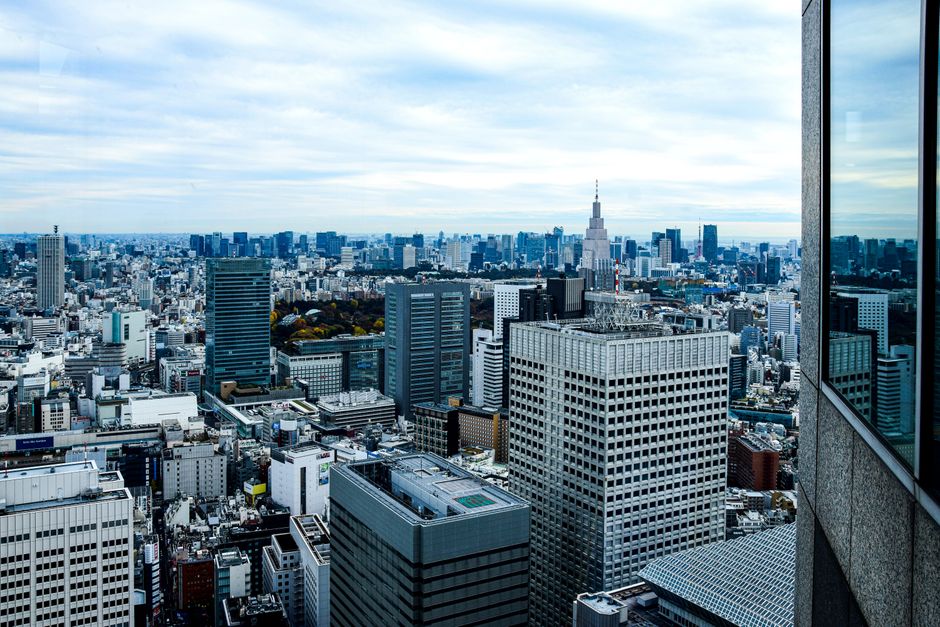
Tokyo's Metropolitan Government has quietly shifted zoning regulations across outer residential wards, allowing developers to build mixed-income housing blocks up to seven storeys in previously restricted areas. The policy change, effective from April 2026, directly targets the capital's persistent affordability crisis—where average property prices hover near ¥55 million despite demographic decline.
Suginami Ward, home to approximately 575,000 residents and traditionally dominated by single-family neighbourhoods, has become the testing ground. New guidelines now permit developers to construct residential buildings with mandatory 20 per cent below-market units on properties along major transit corridors near stations like Ogikubo and Asagaya. Early signals suggest interest: three sites near Shimizu-dori have already submitted development applications within weeks of the rule change.
"This represents a deliberate planning shift away from pure zoning separation," explains local urban policy analysis. The move breaks decades of post-war suburban development patterns that prioritised detached housing, inadvertently pricing younger families and service workers out of central wards.
Yet market watchers remain cautious. Musashino, another family-popular ward, experienced similar policy flexibility in 2024—yet median prices in some precincts near Kichijoji station rose 8 per cent year-on-year through 2025. Developers argue construction costs and land acquisition prices already embedded in Tokyo's supply chain mean true affordability remains elusive, even with regulatory permission.
The Metropolitan Government's parallel 'Accessible Housing' initiative, administered through the Tokyo Housing Supply Corporation, now mandates that new mid-rise projects in designated areas offer units at approximately 30 per cent below neighbourhood median rates. Current Suginami median stands near ¥52 million; affordable units under the scheme would target ¥36–38 million price points.
Implementation challenges loom. Existing residents in low-rise zones near Ogikubo have filed formal objections, citing shadow impact and parking strain. Local ward councils have requested phased rollouts rather than immediate permission across all eligible sites.
The policy gamble reflects Tokyo's demographic arithmetic: outer wards face population stagnation, making regulatory innovation politically necessary. If Suginami and Musashino developments proceed as planned, 2,400–3,200 new affordable units could enter the market by 2029. But whether genuine affordability emerges—or merely shifts scarcity to surrounding wards—will define this reform's actual impact on Tokyo's housing landscape.
This article was compiled by AI from the sources linked above and screened before publishing. See our editorial standards.
How does this story make you feel?
Spread the word
About this article
Published by The Daily Tokyo
Daily brief
Free, in your inbox before 7am. Weekdays.
More in Property