What Tokyo's Recent Auction Results and Price Data Are Signalling About the Next Investment Hot Spots
Falling clearance rates and shifting price momentum around the Yamanote Line are reshaping where savvy investors should be looking.
Falling clearance rates and shifting price momentum around the Yamanote Line are reshaping where savvy investors should be looking.
Tokyo's property market is sending mixed signals, and investors who can read them stand to capitalise on the next cycle shift. Recent auction clearance data—now hovering below historical averages—combined with price momentum tracking across the Yamanote Line corridor, suggests the days of broad-based appreciation are fading. Instead, a more granular, neighbourhood-specific story is emerging.
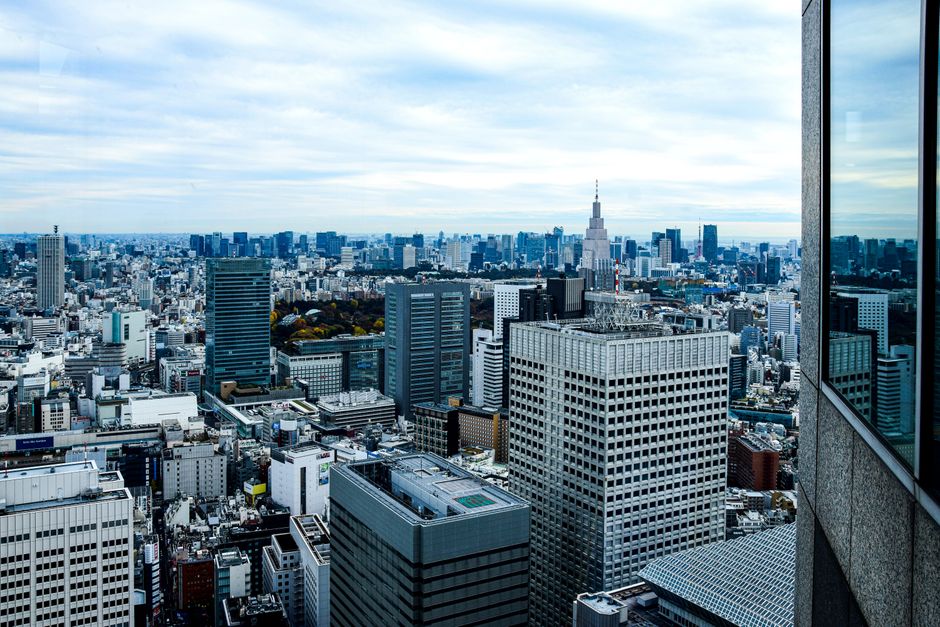
The headline trend is familiar: central Shibuya and Shinjuku remain buoyant, with residential units near major train nodes commanding premiums that show little weakness. But beneath that surface, auction results tell a different tale. Properties in secondary locations within the CBD fringe—think Yotsuya, Akasaka, and Roppongi—are taking longer to clear, with vendors increasingly flexible on pricing. Recent clearance data suggests these pockets have lost momentum that, twelve months ago, appeared unstoppable.
The real signal, however, is coming from outer metropolitan rings. Musashino and Suginami, long favoured by families seeking space and value, are now attracting investor interest typically reserved for inner-city assets. Auction results from Kichijoji station precincts and along the Inokashira Line show tightening inventory and sustained buyer competition—hallmarks of an emerging micro-market shift. Price per square metre in these zones has edged toward ¥1.2–1.5 million, a level that now positions them as compelling relative value against the central ¥55 million average.
Data from recent transactions near Shibuya's Dogen-zaka and around Shinjuku's Meiji-dori also reveal a bifurcation. Large-format apartments and investment-grade commercial hybrid properties are performing strongly, while smaller residential lots face headwinds. This suggests investor capital is moving selectively, not indiscriminately, within premium zones.
The auction clearance slowdown—and its uneven geographic distribution—points to a market recalibrating expectations after years of steady gains. Properties priced above ¥80 million in secondary CBD-fringe locations are now sitting longer on the market, whereas comparable assets in established family-belt suburbs are clearing within standard timeframes. That divergence is the market's way of signalling where buyer interest genuinely lies.
For investors, the message is clear: 2026's opportunity set is no longer about blanket exposure to the Yamanote Line or established inner wards. Instead, it favours specificity—understanding individual station catchments, demographic shifts toward the metro edges, and recognising that slower clearance rates in one neighbourhood may signal genuine repricing, not weakness. The next rally, the data suggests, will be built on these precisely targeted micro-markets, not the broad-based dynamics that drove the previous cycle.
This article was compiled by AI from the sources linked above and screened before publishing. See our editorial standards.
How does this story make you feel?
Spread the word
About this article
Published by The Daily Tokyo
Daily brief
Free, in your inbox before 7am. Weekdays.
More in Property