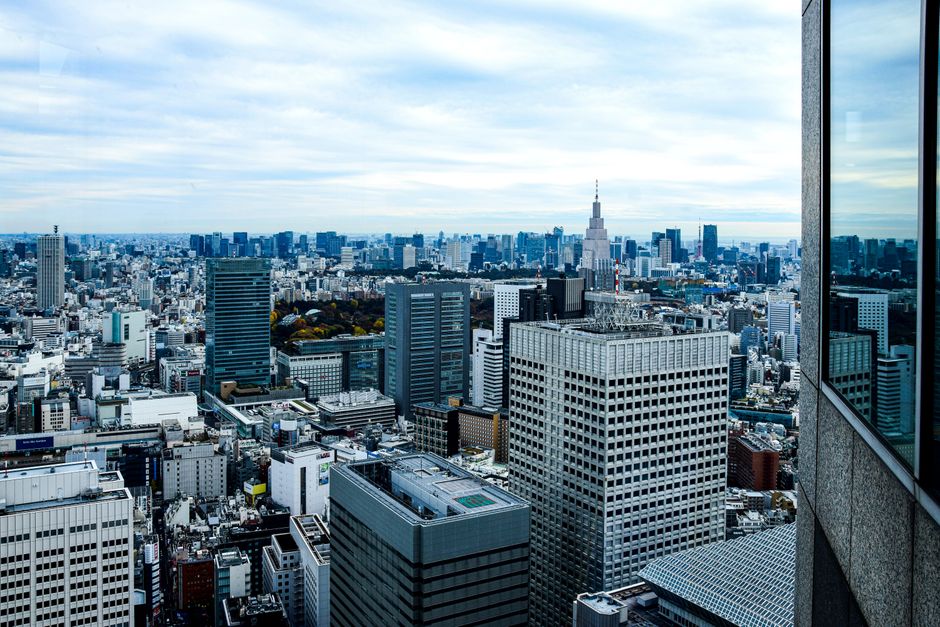
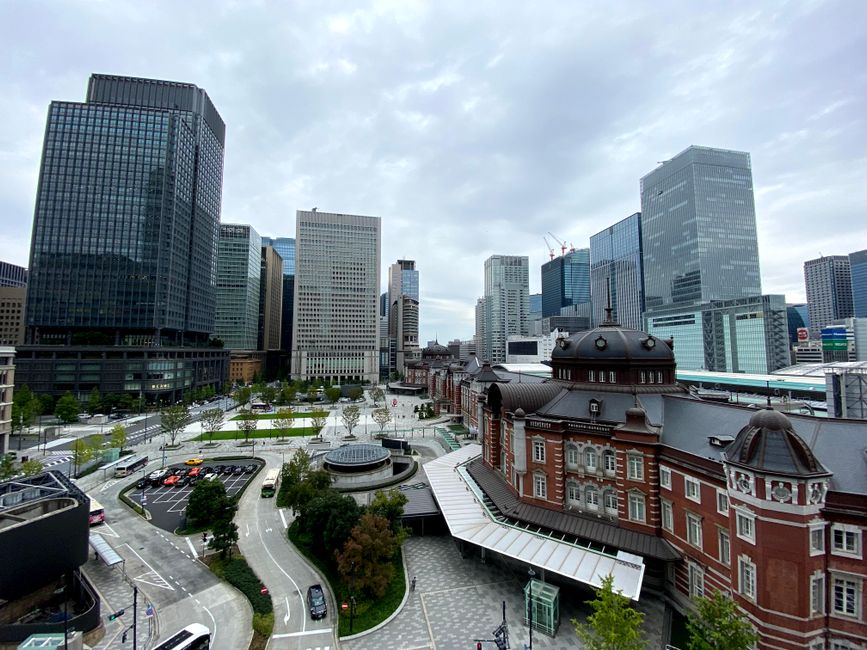
Tokyo's luxury rental market is experiencing a marked correction. After years of steady appreciation, premium residential properties in coveted addresses—from Roppongi's tree-lined avenues to the penthouses overlooking the Meiji Shrine in Shibuya—are facing a new reality: vacancies persist even as asking prices climb.
Data from major Tokyo estate agencies reveals a widening divergence. While average metropolitan rents hover around ¥120,000 monthly for standard two-bedroom units, luxury apartments in the Minato ward's Azabu-Juban neighbourhood command ¥800,000 to ¥1.2 million for comparable space. Yet absorption rates in the super-premium segment (¥500,000+) have slowed notably. Landlords holding high-end stock along the Yamanote Line's most exclusive stretches report typical vacancy periods extending from 45 to 90 days—a marked increase from the 20-30 day average seen two years prior.
The pressure stems from multiple directions. International corporate relocations—long the backbone of Tokyo's luxury rental demand—have contracted as remote work reshapes expatriate housing needs. Simultaneously, regulatory scrutiny from the Tokyo Metropolitan Government around tenant protections and deposit structures has complicated landlord compliance, particularly for foreign owners managing properties remotely. The new tenant rights framework, implemented in early 2025, mandates enhanced disclosure on maintenance obligations and utility cost transparency, adding administrative burden.
For tenants, the picture is mixed. While negotiating power has returned to high-income renters, particularly those seeking long-term leases, acquisition costs remain punitive. A typical luxury apartment rental in Chiyoda's Kasumigaseki or Hibiya districts still requires one month's deposit, one month's advance rent, plus approximately ¥150,000 in agent fees. Security deposit structures—sometimes running 2-3 months—add further friction to the leasing cycle.
Landlords in outer growth areas like Musashino and Suginami report a different dynamic. Family-oriented rental properties in these wards, typically priced ¥250,000-¥400,000 monthly, maintain tighter occupancy rates. The demographic shift toward young families seeking larger residential footprints beyond the CBD is reshaping investment calculus across Tokyo's property sector.
Real estate advisors suggest the luxury segment faces a recalibration. Properties marketed aggressively toward corporate executives and diplomatic staff increasingly require flexible terms—shorter lease options, furnished variants, or hybrid arrangements combining short-stay and traditional tenancy models—to attract and retain tenants. The days of rigid, premium-priced, single-unit leasing appear to be receding into Tokyo's rear-view mirror.
This article was compiled by AI from the sources linked above and screened before publishing. See our editorial standards.