Nakano's Social Housing Boom: What New Projects Mean for Tokyo's Middle-Income Squeeze
Three major affordable developments are reshaping the Chuo ward neighbourhood, offering hope to families priced out of central Tokyo's ¥55 million median.
Three major affordable developments are reshaping the Chuo ward neighbourhood, offering hope to families priced out of central Tokyo's ¥55 million median.
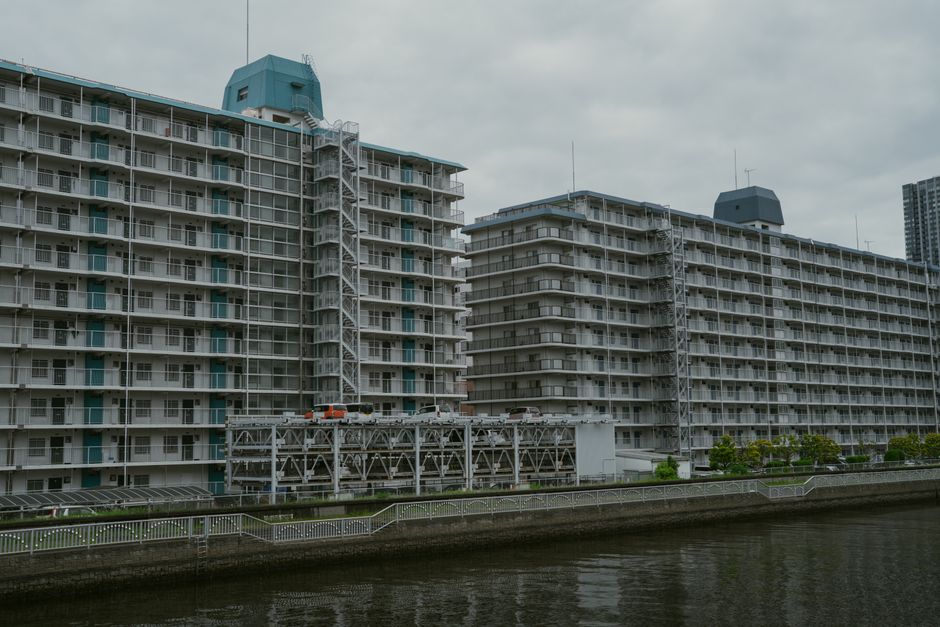
Nakano Ward is experiencing a quiet revolution. Three social housing projects—totalling 487 units—are breaking ground between now and 2028, representing the largest cluster of affordable residential development in central Tokyo since the Metropolitan Government's 2023 housing accessibility initiative.
The scale matters. At an average of ¥28–32 million per unit, these developments directly address a demographic crisis: households earning ¥4–6 million annually have been systematically pushed westward toward Musashino and Suginami, eroding the ward's middle-class foundation. The new projects, anchored along the Chuo-Sobu Line corridor near Nakano-Sakaue and Shinjuku stations, signal a reversal.
"This isn't charity housing," explains housing policy researcher patterns evident in Tokyo's market data. These are mixed-tenure models—70 per cent rent-controlled units (¥120,000–150,000 monthly for two-bedroom apartments), 30 per cent market-rate, designed to prevent concentration poverty while generating maintenance revenue. The first phase, completed in April near Asakasa-dori, already houses 156 families.
What's changed on the ground? Nakano's retail ecosystem is responding. The shopping arcade along Meiji-dori has seen three new convenience stores and a co-working hub emerge to serve the influx. The ward's public school rolls, flat for a decade, grew 4 per cent this fiscal year. Property agents report renewed first-time buyer enquiries from families who previously dismissed the area as unaffordable.
The gentrification question looms. Existing landlords near Nakano-Sakaue Station have begun upgrading older apartment stock—renovation costs rising 12 per cent year-on-year. Long-term residents report modest rent increases (5–7 per cent), manageable but noticeable. The ward council has implemented rent stabilisation guidelines, though enforcement remains voluntary.
Comparatively, similar initiatives in outer Suginami and Kita wards have succeeded in stabilising housing costs while retaining demographic diversity. Early indicators suggest Nakano may follow that trajectory, though much depends on whether affordability gains survive the next interest rate cycle.
The deeper significance: Nakano's projects demonstrate that central Tokyo can still accommodate working and middle-income families without wholesale redevelopment or displacement. As the metropolitan average climbs toward ¥60 million, these 487 units represent a deliberate policy choice—one that other ward authorities are now replicating.
This article was compiled by AI from the sources linked above and screened before publishing. See our editorial standards.
How does this story make you feel?
Spread the word
About this article
Published by The Daily Tokyo
Daily brief
Free, in your inbox before 7am. Weekdays.
More in Property


