Tokyo Property Prices Climb 8.3% Year-on-Year in Q2 as Yamanote Premium Zones Lead Growth
Second-quarter data reveals strongest quarterly expansion since 2023, with Shibuya and Minato commanding double-digit gains while suburban Musashino steadies.
Second-quarter data reveals strongest quarterly expansion since 2023, with Shibuya and Minato commanding double-digit gains while suburban Musashino steadies.
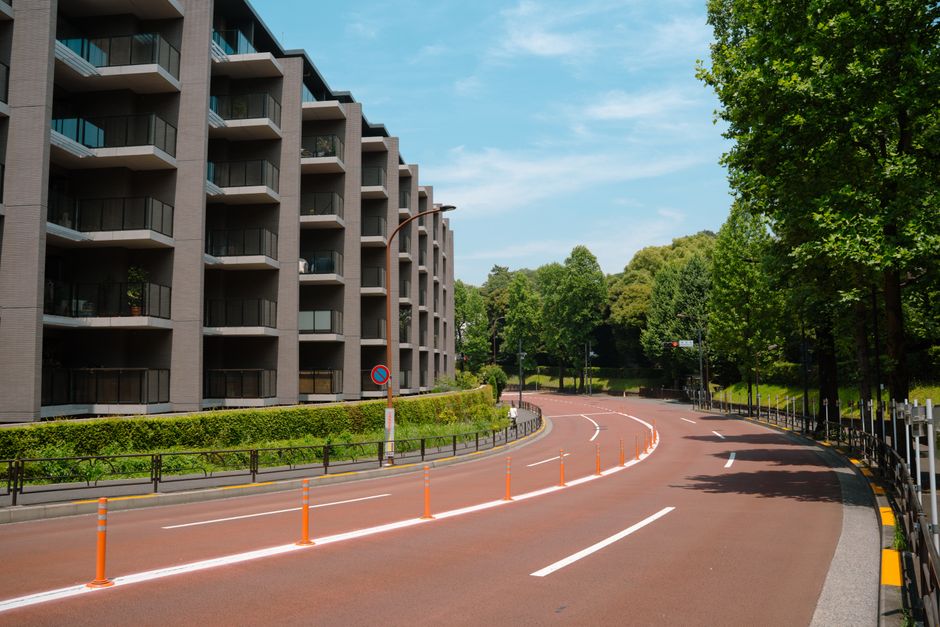
Tokyo's residential property market has entered the second quarter of 2026 with pronounced upward momentum, driven by sustained investor confidence and limited supply across premium inner-city zones. Year-on-year price growth now stands at 8.3% across metropolitan Tokyo, marking the strongest comparable quarterly performance since Q2 2023, according to data tracked by the Real Estate Information Network of Japan.
The divergence between central and suburban markets has sharpened considerably. Shibuya ward properties have appreciated 14.7% versus Q2 2025, with the crossing's proximity and Meiji-dori's continued revitalisation attracting both owner-occupiers and portfolio investors. Minato ward, spanning Roppongi through to the Odaiba waterfront precinct, has recorded 12.1% year-on-year growth, bolstered by foreign direct investment in mixed-use developments. Average asking prices in Shibuya now exceed ¥68 million for a standard two-bedroom apartment within walking distance of the station—a figure that would have seemed punitive two years prior.
The Yamanote Line's premium inner loop continues to function as Tokyo's value anchor. Shinjuku's growth trajectory, while robust at 9.8% annually, reflects some price-absorption fatigue; newer completions on the Nishi-Shinjuku corridor are moving more deliberately than their counterparts in smaller, adjacent wards like Chiyoda and Bunkyo, where land parcels remain scarce and speculative pressure remains elevated.
Suburban markets tell a more measured story. Musashino, traditionally Tokyo's family-oriented safety valve, has recorded a modest 3.2% year-on-year appreciation—a deceleration from Q1's 4.1% but still outpacing inflation. This stability is attracting young families priced out of Setagaya and Meguro, where starter apartments now routinely command ¥52–58 million. Yokohama's eastern wards continue their gradual ascent, posting 5.8% growth as the Minatomirai office boom filters downstream into residential demand.
Interest rate management by the Bank of Japan remains the silent architect of these movements. While headline rates remain modest, tightening expectations have accelerated buyer timelines, particularly among investors hedging against further currency fluctuation. The combination of limited new housing approvals in central zones and pent-up demand has created a supply pinch that shows no immediate sign of easing.
Market sentiment entering Q3 appears balanced between optimism about sustained urban revitalisation and caution about affordability ceilings. The ¥55 million metropolitan average masks vast disparities: premium Minato penthouses now breach ¥200 million, while outer Bunkyo properties remain accessible below ¥45 million. This bifurcation appears structurally entrenched.
This article was compiled by AI from the sources linked above and screened before publishing. See our editorial standards.
How does this story make you feel?
Spread the word
About this article
Published by The Daily Tokyo
Daily brief
Free, in your inbox before 7am. Weekdays.
More in Property