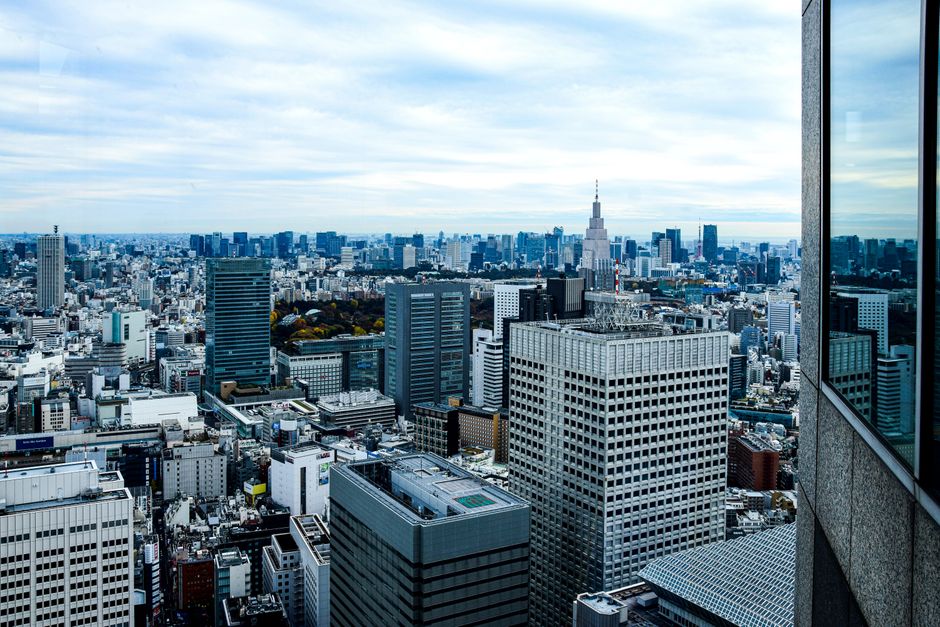
Tokyo's property market is experiencing a structural shift. While Shibuya and Shinjuku command their traditional premium—properties along the Yamanote Line circle remain the safety-net choice for investors—the real momentum is moving outward. Suburbs like Musashino, Suginami, and emerging pockets along the Chuo and Sobu Lines are witnessing double-digit appreciation as buyers reassess what proximity to the CBD actually means in 2026.
The driver is deceptively simple: hybrid work has broken the tyranny of the 40-minute commute. A salaryman in Kichijoji—40 minutes from Shinjuku, nestled in Musashino—now visits the office twice weekly. Suddenly, ¥42 million buys a renovated two-bedroom near the Inokashira Park area instead of a cramped studio in Minato ward. That arbitrage is reshaping where capital flows.
Suginami ward has seen particular interest. Properties within walking distance of Shimokitazawa's cultural quarter and retail corridor have appreciated 8–12% year-on-year, according to recent agency data. Young families are drawn to schools, green space, and the neighbourhood's community infrastructure—a calculus that would have seemed provincial five years ago. Affordable family-friendly suburbs like Ogikubo and Asagaya are no longer afterthoughts; they're positioned as lifestyle choices.
But timing and literacy matter enormously. Not all outer suburbs are created equal. Properties are appreciating unevenly depending on three key factors: transit connectivity beyond the Yamanote ring, local amenity clustering (schools, shopping, parks), and demographic trajectory. A property near a terminal station on the Marunouchi Extension carries vastly different upside than one requiring a 12-minute walk to the nearest train.
Investors should also reckon with affordability plateaus. While average Tokyo property prices hold around ¥55 million, Musashino and choice Suginami pockets are approaching premium territory—¥58–62 million for desirable units—narrowing the traditional discount that once justified suburban purchases. The margin for error has compressed.
The market's current mood is less speculative bubble and more rational recalibration. Developers are responding: new projects in Ogikubo and along the Sobu Line's outer reaches are selling pre-completion, a sign of institutional confidence. But buyers need clear-eyed conviction about neighbourhood fundamentals, not just hope in general suburban appreciation.
The headline opportunity remains genuine—but only for those who understand exactly what they're buying and why that specific location justifies today's price. Herd behaviour rarely ends well in property.
This article was compiled by AI from the sources linked above and screened before publishing. See our editorial standards.